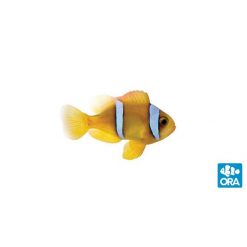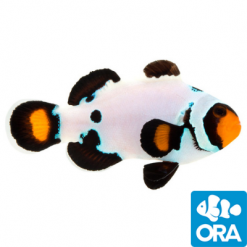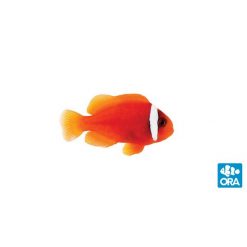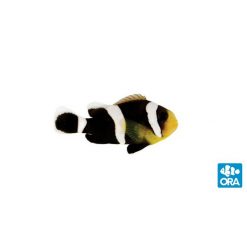
ORA Solomon Islands Clarkii Clownfish Captive-Bred for Sale
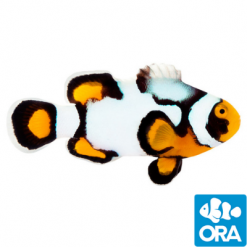
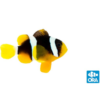
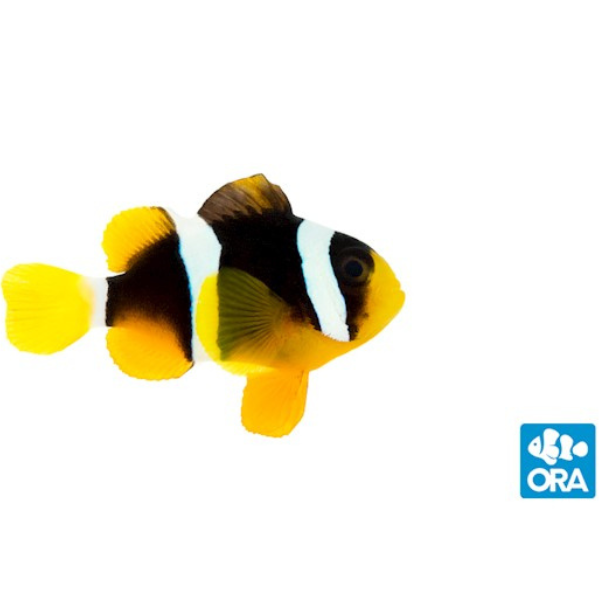
The ORA Solomon Islands Clarkii Clownfish Captive-Bred is a hardy, captive-raised clownfish prized for its bright yellow face and fins contrasted by a deep black body. Selectively bred by ORA from Solomon Islands lineage, this species combines vivid coloration with resilience, making it ideal for both new and experienced marine hobbyists. Because it’s captive-bred, it adapts quickly to aquarium life, accepts a broad range of prepared foods, and resists common transport stress. ORA’s sustainable aquaculture practices ensure each fish is raised disease-free, reducing the need for wild collection and promoting reef conservation. Pairs often form stable bonds, adding personality and natural behavior to the home reef environment.
Many aquarists ask whether Clarkii Clownfish are aggressive or easy to keep—this captive-bred variety remains manageable when housed properly and thrives in most saltwater aquariums. With ORA’s proven breeding and conditioning standards, every fish arrives feeding readily and acclimates faster than wild counterparts.
Key Facts
| Specification | Details |
|---|---|
| Scientific Name | Amphiprion clarkii |
| Family | Pomacentridae |
| Origin | Solomon Islands lineage (ORA aquaculture) |
| Maximum Size | Up to 4 inches |
| Purchase Size | 1–2 inches |
| Lifespan | 8–10 years in captivity |
| Care Level | Easy |
| Minimum Tank Size | 20 gallons (single) |
| Temperament | Semi-aggressive when mature |
| Reef Safe | Yes |
| Diet | Omnivore – pellets, flakes, mysis, brine shrimp |
| Temperature | 75–82 °F |
| pH Range | 8.1–8.4 |
| Salinity | 1.020–1.026 specific gravity |
Appearance
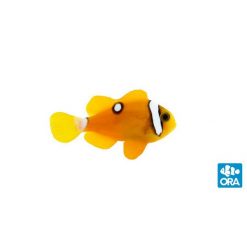
Juveniles display a bright yellow face and fins with a lighter body, gradually darkening into deep black as they mature. Three white vertical stripes accent the body, creating strong contrast under reef lighting. Adults retain the yellow face and fin tips while their flanks darken to jet black, a hallmark of the Solomon Islands strain.
Care & Requirements
The ORA Solomon Islands Clarkii Clownfish thrives in stable marine systems with moderate water movement and hiding spaces. A 20-gallon tank suits a single fish, or a bonded pair in 40-50 gallons; larger aquariums reduce territorial behavior. Maintain parameters within 75–82 °F, pH 8.1–8.4, and 1.020–1.026 salinity. As omnivores, they eat flakes, pellets, and frozen foods like mysis or brine shrimp—feed small portions twice daily for best color and growth.
They’re semi-aggressive once mature but peaceful toward most tankmates when established properly. Although not dependent on anemones, Clarkii Clownfish naturally host species such as Bubble Tip, Sebae, or Long Tentacle Anemones.
Are Clarkii Clownfish easy to care for?
Yes. This captive-bred strain adapts easily, tolerates minor fluctuations, and eats standard marine foods.
What tank size is best for a pair?
A minimum of 40 gallons works; larger tanks (50 + gallons) reduce territorial disputes.
Do they need an anemone to survive?
No. Hosting behavior is optional, not essential to their health.
Tank Mates & Compatibility
Clarkii Clownfish coexist well with most reef-safe species including gobies, blennies, tangs, and dwarf angelfish. Avoid housing with overly aggressive damsels or large predatory species. When keeping multiple clownfish, limit to one pair per tank to prevent territorial conflict. Introducing them last helps maintain harmony within established communities.
What fish are compatible with Clarkii Clownfish?
Peaceful or semi-aggressive reef fish such as firefish, royal grammas, and small tangs pair well.
Can two Clarkii Clownfish live together?
Yes—introduce a small juvenile pair to promote natural bonding.
Are Clarkii Clownfish reef-safe?
Completely. They won’t harm corals and may even protect their host anemones.
Aquaculture / Availability
ORA raises this line through controlled aquaculture using broodstock from the Solomon Islands. Each fish is reared on aquarium diets and sold fully acclimated to captive conditions. Currently, captive-bred specimens are widely available; wild collection is minimal due to ORA’s reliable production. This sustainable approach ensures healthier, disease-free fish and supports ocean conservation.
Are these fish captive-bred or wild-caught?
They are 100% captive-bred by ORA under strict aquaculture standards.
Are captive-bred Clarkii Clownfish hardier than wild ones?
Yes—they resist disease better and adapt more easily to aquariums.
How big are they when shipped?
Typically 1.25–2 inches, allowing easy acclimation and fast growth once settled.
Why Buy From Oceansgarden.com
- Captive-Bred & Sustainable: Many of our fish and invertebrates are captive-bred or sustainably sourced to promote healthy reef ecosystems.
- Expert Care Before Shipping: Every animal is maintained under professional aquarium standards for health, diet, and water quality.
- Live Arrival Guarantee: We stand behind each shipment with a Live Arrival Guarantee for your peace of mind.
- Fast, Reliable Shipping: Orders are packed with proven methods and shipped overnight to ensure safe arrival.
- Transparent Policies: Clear shipping, refund, and guarantee information available on every order page.
- Trusted by Hobbyists: Backed by years of experience and thousands of satisfied marine aquarium keepers across the U.S.
FAQ
How aggressive are Clarkii Clownfish compared to other species?
They’re semi-aggressive once mature, particularly during breeding or territory defense. Keeping them singly or as a bonded pair and providing defined rockwork helps minimize disputes.
How long do ORA Clarkii Clownfish live in captivity?
With proper diet and stable water quality, they often live 8–10 years, sometimes longer in mature reef systems.
What do Clarkii Clownfish eat in a reef tank?
They’re omnivores—feed high-quality marine pellets, flakes, and frozen foods like mysis, krill, and enriched brine shrimp. Supplement with small portions of chopped seafood for variety.
Can Clarkii Clownfish host multiple anemone species?
Yes. They commonly bond with Bubble Tip, Sebae, and Long Tentacle Anemones, but may also reside near soft corals if no anemone is present.
What’s the ideal pH and temperature for this species?
Keep pH between 8.1 and 8.4, and temperature 75–82 °F. Stability is more important than precision.
Do captive-bred Clarkii Clownfish require special acclimation?
No. ORA fish are accustomed to aquarium water conditions—use a slow-drip acclimation over 20–30 minutes before release.
Can Clarkii Clownfish live in a coral reef setup with invertebrates?
Absolutely. They’re reef-safe and coexist peacefully with shrimp, snails, and corals.
Do they change color as they age?
Yes. Juveniles appear bright yellow overall; their body darkens to deep black as they mature while the face and fins stay yellow.
Are Clarkii Clownfish good for beginners?
Yes. Their adaptability, bold personality, and forgiving nature make them one of the best starter clownfish species.
Is the ORA Solomon Islands Clarkii Clownfish environmentally friendly?
Yes. Each purchase supports sustainable aquaculture that reduces wild collection and helps preserve natural reef ecosystems.
| size | 1-2 inches |
|---|
Related products