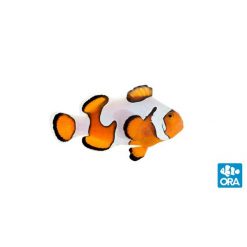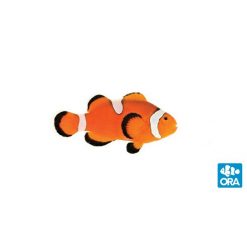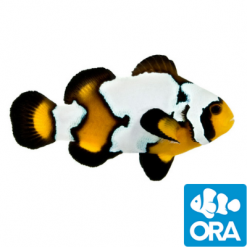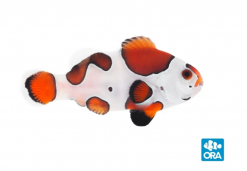

ORA Midnight Clownfish Captive-Bred for Sale
The ORA Midnight Clownfish (Amphiprion ocellaris) is a selectively bred, solid black variation of the popular Ocellaris Clownfish, known for its sleek appearance and remarkable hardiness. As a captive-bred species from ORA’s sustainable aquaculture program, it adapts quickly to home aquariums and is far less prone to disease than wild-caught fish. Perfect for both beginner and advanced reef keepers, this peaceful, reef-safe clownfish adds contrast and movement to any saltwater setup.
Each ORA Midnight Clownfish is raised entirely in captivity, ensuring compatibility with community tanks and promoting ethical marine aquaculture. With proven resilience and years of successful breeding behind the ORA name, these fish represent both beauty and responsible reefkeeping.
Key Facts
| Specification | Details |
|---|---|
| Scientific Name | Amphiprion ocellaris |
| Family | Pomacentridae |
| Origin | Captive-bred in ORA facilities, USA |
| Maximum Size | 3 inches |
| Purchase Size | 1–2inches |
| Lifespan | Up to 10 years |
| Care Level | Easy |
| Minimum Tank Size | 15 gallons |
| Temperament | Peaceful to semi-aggressive |
| Reef Safe | Yes |
| Diet | Omnivore – pellets, flakes, frozen mysis |
| Temperature | 75–82°F |
| pH Range | 8.1–8.4 |
| Salinity | 1.020–1.025 specific gravity |
Appearance
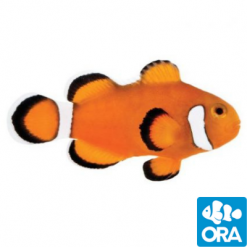
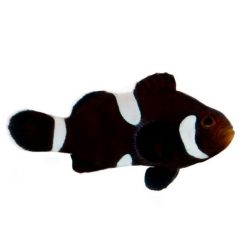
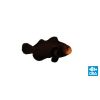
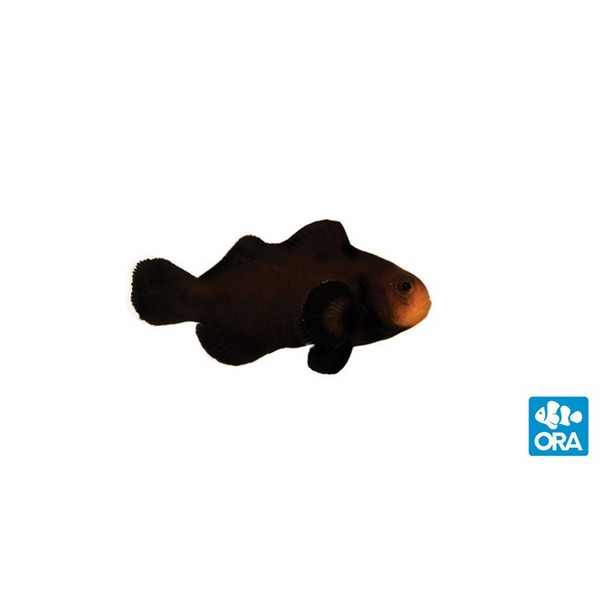
This captive-bred variety features a solid jet-black body without the typical white stripes of most Ocellaris. Juveniles begin with a soft orange tint that darkens to rich black as they mature. Their smooth coloration provides striking contrast against reef rock and corals, making them a favorite centerpiece fish.
Care & Requirements
The ORA Midnight Clownfish thrives in stable marine environments with proper filtration and moderate water flow. A tank size of at least 20 gallons is recommended for one fish or a bonded pair. Maintain a temperature of 75–82°F and a pH between 8.1–8.4. These omnivores readily accept pellets, flakes, and frozen foods like mysis shrimp and brine shrimp.
As a reef-safe species, they coexist well with corals and invertebrates. Many hobbyists host them with Bubble Tip Anemones (Entacmaea quadricolor), though it’s not required for their health.
How easy is it to care for the ORA Midnight Clownfish?
Very easy—ideal for beginners, as captive-bred fish adapt well and are less disease-prone.
Do they need an anemone?
No, they can live happily without one, though some will naturally host corals or soft anemones.
How often should they be fed?
Feed small portions 2–3 times daily for best coloration and growth.
Tank Mates & Compatibility
ORA Midnight Clownfish are peaceful, coexisting well with gobies, wrasses, blennies, and most invertebrates. Avoid keeping them with large predatory fish or highly aggressive damsels. If keeping a pair, ensure they are introduced together to minimize territorial behavior.
Can Midnight Clownfish live with other clownfish?
They should only be kept as a mated pair or single specimen to prevent aggression.
Are they reef-safe with corals?
Yes, fully reef-safe with soft, LPS, and SPS corals.
Do they host specific tank mates?
They may host anemones or certain soft corals, mimicking natural behavior.
Breeding & Genetics
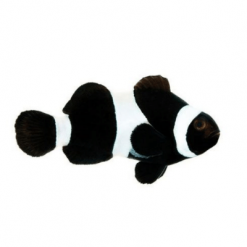
The Midnight Clownfish is a natural mutation selectively developed within ORA’s breeding systems. Pairs form lifelong bonds, with the female growing larger and taking the dominant role. Eggs are laid on flat surfaces near their territory and guarded by the male until hatching. Occasionally, offspring display small white markings—these rare variants are known as Domino Clownfish.
Can ORA Midnight Clownfish breed in a home aquarium?
Yes, they can breed successfully under stable conditions with proper feeding and territory.
How can you tell male from female?
The female is always larger and dominant once the pair bond forms.
Do all offspring stay black?
Most do, but some develop white spots that create the Domino variation.
Aquaculture/Availability
ORA has been a pioneer in sustainable marine aquaculture for over 40 years. The ORA Midnight Clownfish is consistently captive-bred, reducing pressure on wild populations and ensuring reliable availability throughout the year. Each fish is selectively bred for health, color, and adaptability in home aquariums.
Are these fish wild-caught?
No, every ORA Midnight Clownfish is 100% captive-bred in aquaculture facilities.
Are captive-bred fish hardier than wild ones?
Yes, they’re generally more disease-resistant and adapt faster to aquarium life.
Why is ORA a trusted name in aquaculture?
ORA has decades of research-backed breeding programs ensuring healthy, sustainable marine livestock.
Why Buy From Oceansgarden.com
- Captive-Bred & Sustainable: Many of our fish and invertebrates are captive-bred or sustainably sourced to promote healthy reef ecosystems.
- Expert Care Before Shipping: Every animal is maintained under professional aquarium standards for health, diet, and water quality.
- Live Arrival Guarantee: We stand behind each shipment with a Live Arrival Guarantee for your peace of mind.
- Fast, Reliable Shipping: Orders are packed with proven methods and shipped overnight to ensure safe arrival.
- Transparent Policies: Clear shipping, refund, and guarantee information available on every order page.
- Trusted by Hobbyists: Backed by years of experience and thousands of satisfied marine aquarium keepers across the U.S.
FAQ
How big do ORA Midnight Clownfish get?
They grow up to 3 inches, with females typically larger than males.
How long do Midnight Clownfish live in captivity?
With good care, these fish can live 8–10 years in a stable marine aquarium.
What’s the difference between Midnight and Domino Clownfish?
Domino Clownfish originate from Midnight pairs and may develop small white spots, while true Midnights remain fully black.
Do they change color as they age?
Yes. Juveniles are orange-brown and darken to black as they mature.
What tank size is best for a pair?
A 30-40 gallon or larger tank is recommended to minimize territorial behavior.
What do they eat?
They accept flakes, pellets, and frozen mysis or brine shrimp, preferring a varied diet for color enhancement.
Are they suitable for beginners?
Yes, their hardy nature and adaptability make them one of the best starter marine fish.
Can they live in a nano reef?
A single clownfish can thrive in tanks as small as 15 gallons with proper maintenance.
What’s the ideal salinity and pH range?
Maintain salinity between 1.020–1.025 and pH between 8.1–8.4 for best health.
| size | 1 – 2 inches |
|---|
Related products