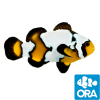
ORA Black Saddleback Clownfish Captive Bred for Sale
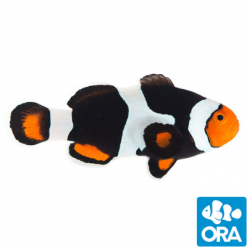
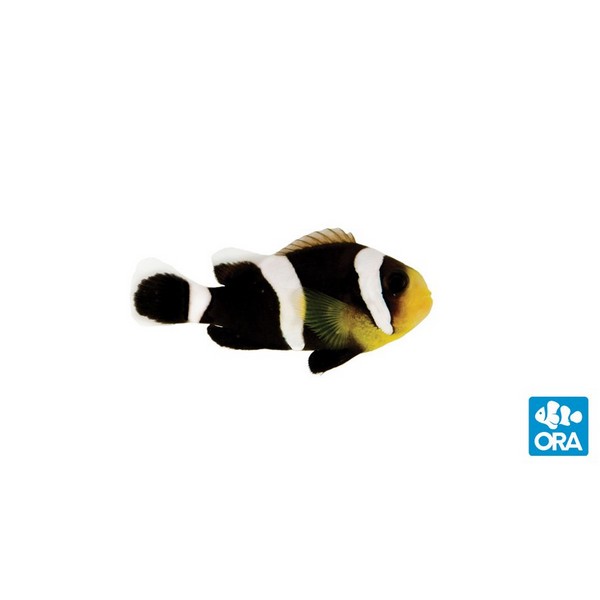
The ORA Black Saddleback Clownfish Captive Bred (Amphiprion polymnus) combines striking coloration with proven hardiness from ORA’s trusted aquaculture program. This selectively bred variant offers a deep black body with crisp white bars, a calm adaptability to aquarium life, and greater disease resistance than wild specimens. Known for their confident swimming and semi-aggressive but manageable temperament, these clownfish are a reliable choice for reef-safe tanks.
Key Facts
| Specification | Details |
|---|---|
| Scientific Name | Amphiprion polymnus |
| Family | Pomacentridae |
| Origin | Captive bred by ORA (Florida, USA) |
| Max Size | 4.5 inches |
| Purchase Size | 1–2 inches |
| Lifespan | Up to 10 years |
| Care Level | Moderate |
| Minimum Tank Size | 30 gallons |
| Temperament | Semi-aggressive |
| Reef Safe | Yes |
| Diet | Omnivore |
| Temperature | 75–78°F |
| pH Range | 8.1–8.4 |
| Salinity | 1.020–1.026 |
Appearance
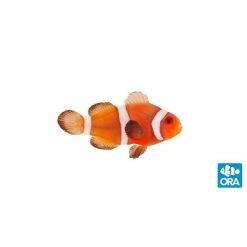
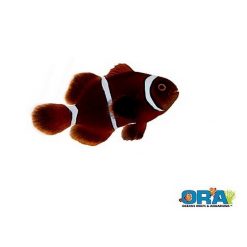
This captive-bred variant features a rich black body contrasted by three bold white bands, often with subtle orange or yellow undertones on the face and fins. Unlike wild Saddlebacks with partial mid-body saddles, ORA’s line displays full bars across the body, producing a cleaner and more balanced look.
Care & Requirements
A 30-gallon aquarium or larger is ideal for a single fish, or a 50 gallons for a mated pair. Provide a mix of live rock for shelter and territorial boundaries. Maintain stable conditions at 75–78°F, pH 8.1–8.4, and salinity between 1.020–1.026. The ORA Black Saddleback will accept a range of anemones including Magnificent (Heteractis magnifica) or Carpet (Stichodactyla gigantea), but may also live without one if offered coral shelters. Introduce this species last to minimize territorial disputes.
Do Black Saddleback Clownfish need an anemone?
No, though they often host with Magnificent or Carpet anemones, they can thrive without one.
Are ORA Black Saddlebacks reef safe?
Yes, they coexist peacefully with corals and invertebrates.
What size tank do they need?
A minimum of 30 gallons is recommended for one, or a pair in 50 gallons.
Diet & Feeding
Feed a balanced omnivorous diet of frozen mysis shrimp, enriched brine shrimp, pellets, and algae-based flakes. Offer small portions two to three times daily to support color vibrancy and activity. Occasional meaty foods help mimic natural feeding habits.
What do ORA Black Saddlebacks eat?
A mix of meaty and plant-based foods such as mysis, krill, and spirulina flakes.
How often should they be fed?
Two to three small meals per day.
Do they eat coral food or reef blends?
Yes, they will accept finely chopped reef blends as supplemental feeding.
Tank Mates & Compatibility
Compatible with semi-aggressive or peaceful species like tangs, wrasses, gobies, and blennies. Avoid housing with other clownfish species or overly aggressive fish. They may defend their territory during breeding but usually calm once a hierarchy is established.
Can they live with cleaner shrimp or crabs?
Yes, they are reef-safe and tolerate most invertebrates.
Do they pair easily?
Introduce two juveniles simultaneously to increase bonding success.
Are they aggressive?
Mildly territorial but generally manageable in a properly sized tank.
Aquaculture/Availability
ORA Black Saddleback Clownfish are consistently captive bred by Oceans, Reefs & Aquariums (ORA). Their breeding success ensures stable health, predictable behavior, and reduced impact on wild populations. Availability remains limited due to the species’ challenging breeding nature.
Are these wild-caught or captive-bred?
Exclusively captive bred by ORA.
Why are they rare?
Breeding difficulty and limited broodstock make them less common.
Do captive-bred fish live longer?
Typically yes, due to improved disease resistance and tank adaptation.
Why Buy From Oceansgarden.com
- Captive-Bred & Sustainable: Many of our fish and invertebrates are captive-bred or sustainably sourced to promote healthy reef ecosystems.
- Expert Care Before Shipping: Every animal is maintained under professional aquarium standards for health, diet, and water quality.
- Live Arrival Guarantee: We stand behind each shipment with a Live Arrival Guarantee for your peace of mind.
- Fast, Reliable Shipping: Orders are packed with proven methods and shipped overnight to ensure safe arrival.
- Transparent Policies: Clear shipping, refund, and guarantee information available on every order page.
- Trusted by Hobbyists: Backed by years of experience and thousands of satisfied marine aquarium keepers across the U.S.
FAQ
How large do ORA Black Saddleback Clownfish grow? They typically reach about 4.5 inches as adults, making them one of the larger clownfish species.
What is the temperament of the Black Saddleback Clownfish? They are semi-aggressive and territorial, especially when defending a nest or anemone, but can coexist peacefully with other reef-safe fish in adequate space.
Can the ORA Black Saddleback be kept in pairs? Yes, pairs do well if introduced as juveniles or simultaneously. Mature adults may fight if paired later.
Which anemones host the ORA Black Saddleback? They naturally associate with Magnificent and Carpet anemones but may adapt to other large species or live coral structures.
Is the ORA Black Saddleback suitable for beginners? With stable water parameters and moderate experience, yes. They are hardy and resilient, making them a good next step after common clownfish.
What is their lifespan in captivity? When properly cared for, up to 10 years or more.
Do captive-bred clownfish differ from wild ones? Yes, captive-bred variants are calmer, more disease-resistant, and less likely to carry parasites.
How can you tell if your Black Saddleback is healthy? A healthy fish shows strong swimming behavior, consistent coloration, and a regular appetite without fin fraying or rapid breathing.
| size | 1-2 inches |
|---|
Related products