ORA Red Scooter Dragonet Captive-Bred for Sale
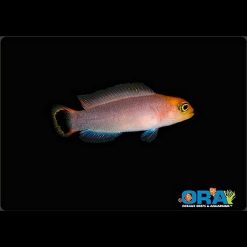
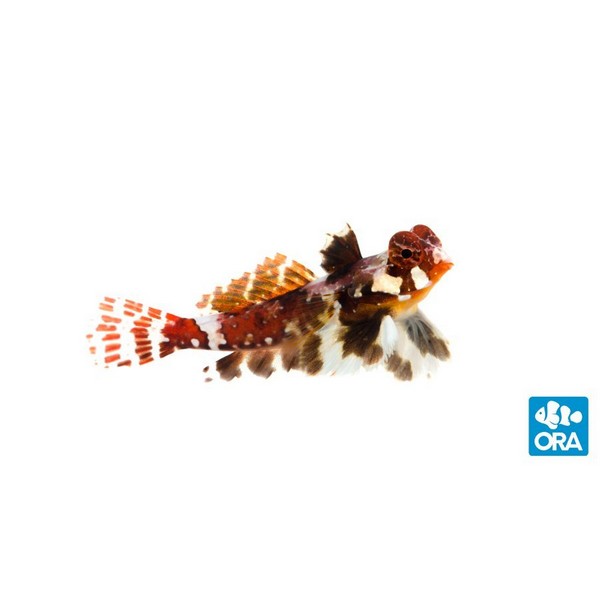
The ORA Red Scooter Dragonet (Synchiropus stellatus) is a peaceful, reef-safe fish bred in aquaculture facilities for long-term success in home aquariums. As a captive-bred species, it readily accepts prepared foods, adapts quickly, and helps protect wild populations. Its bright red and white mottled pattern, gentle temperament, and manageable size make it ideal for moderate to advanced reef keepers looking for a sustainable, easy-to-feed dragonet. Each ORA specimen is conditioned for health and consistent feeding behavior, making them hardier and more dependable than wild-caught fish. Due to limited seasonal availability, these fish are often in high demand among responsible marine hobbyists.
Key Facts
| Specification | Details |
|---|---|
| Scientific Name | Synchiropus stellatus |
| Family | Callionymidae |
| Origin | Captive-bred in U.S.A. (ORA Farms) |
| Max Size | 3 inches |
| Purchase Size | 1 to inch |
| Lifespan | 3–5 years with proper care |
| Care Level | Moderate |
| Minimum Tank Size | 30 gallons (55+ for pairs) |
| Temperament | Peaceful |
| Reef Safe | Yes |
| Diet | Live copepods, frozen mysis, enriched brine shrimp, pellets |
| Temperature | 72–78°F |
| pH Range | 8.1–8.4 |
| Salinity | 1.020–1.025 |
Appearance
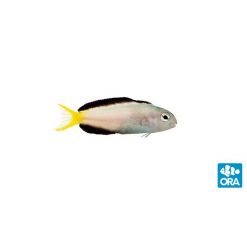
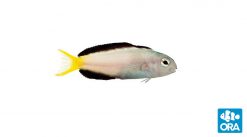
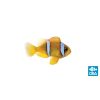
The ORA Red Scooter Dragonet displays deep red, white, and burgundy mottled markings with large top-mounted eyes and a small, pointed mouth. It moves in a distinctive gliding motion across live rock and sand while searching for food, adding both beauty and activity to reef aquariums.
Care & Requirements
This dragonet thrives in mature aquariums of at least 30 gallons with plenty of live rock and sand that support a stable copepod population. ORA specimens adapt easily to frozen and pellet diets but still benefit from live microfauna. Regular feeding of mysis or enriched brine shrimp maintains color and energy. Maintain temperatures between 72–78°F, pH from 8.1–8.4, and salinity at 1.020–1.025. Introduce only after the tank has been established for 6–8 months to ensure adequate natural food sources.
How often should I feed my ORA Red Scooter Dragonet?
Feed small portions 2–3 times daily, ensuring food reaches the bottom.
Can captive-bred dragonets live without copepods?
Yes, though it is not recommended as a good pod population supports natural grazing behavior and keeps them well fed.
Do they need sand or rock?
Yes, both are essential for foraging and comfort.
Tank Mates & Compatibility
Peaceful and reef-safe, the ORA Red Scooter Dragonet coexists well with gobies, blennies, cardinalfish, and other calm reef species. Avoid aggressive feeders such as large wrasses or dottybacks. Keep only one male per tank unless the system exceeds 55 gallons. For groups, maintain a ratio of two to three females per male.
Can I keep two male Red Scooter Dragonets together?
Only in very large tanks, as males may become territorial.
Are they safe with shrimp and snails?
Yes, they are fully reef-safe and compatible with invertebrates.
Will they eat coral or small critters?
No, they feed exclusively on small invertebrates and prepared foods.
Aquaculture/Availability
ORA’s captive-bred Red Scooter Dragonets are sustainably raised, not collected from reefs. This aquaculture approach produces fish that are hardier, easier to feed, and environmentally responsible. Availability may be seasonal due to controlled breeding cycles, reflecting ORA’s commitment to quality and sustainability.
Are all Red Scooter Dragonets captive-bred?
No, only ORA-bred specimens are fully captive-bred; others are often wild-caught.
Do captive-bred dragonets survive better?
Yes, they are trained to accept prepared foods, improving survival rates.
Why are ORA dragonets more expensive?
The higher cost supports sustainable aquaculture and consistent quality.
Why Buy From Oceansgarden.com
- Captive-Bred & Sustainable: Many of our fish and invertebrates are captive-bred or sustainably sourced to promote healthy reef ecosystems.
- Expert Care Before Shipping: Every animal is maintained under professional aquarium standards for health, diet, and water quality.
- Live Arrival Guarantee: We stand behind each shipment with a Live Arrival Guarantee for your peace of mind.
- Fast, Reliable Shipping: Orders are packed with proven methods and shipped overnight to ensure safe arrival.
- Transparent Policies: Clear shipping, refund, and guarantee information available on every order page.
- Trusted by Hobbyists: Backed by years of experience and thousands of satisfied marine aquarium keepers across the U.S.
FAQ
How big do ORA Red Scooter Dragonets get?
They reach about 3 inches, with males slightly larger and sporting taller dorsal fins used for display.
Is the ORA Red Scooter Dragonet beginner-friendly?
They are best for aquarists with some marine experience, as they require stable conditions and frequent feeding.
What do they eat in captivity?
They thrive on a combination of live copepods, frozen mysis, and enriched brine shrimp. Captive-bred fish also accept pellets.
Do they require live copepods long-term?
Not strictly, but maintaining a small pod culture encourages natural foraging.
Can they live in nano reefs?
A single dragonet can live in a 30-gallon nano reef if it’s mature and well-established.
How can I spot feed one?
Use a rigid feeding tube or pipette to deliver food directly to the fish at the substrate level.
Are they safe with SPS and LPS corals?
Yes, they pose no risk to any coral species.
What is their lifespan?
With stable water quality and consistent feeding, they live 3–5 years, occasionally longer.
Do they jump or need a lid?
They rarely jump, but a covered tank is still recommended.
Can they live with mandarins or other dragonets?
Yes, if the tank is large and food supply abundant. Introduce them together to minimize aggression.
| size | up to 1 inch |
|---|
Related products