ORA Spotcinctus Clownfish Captive-Bred for Sale
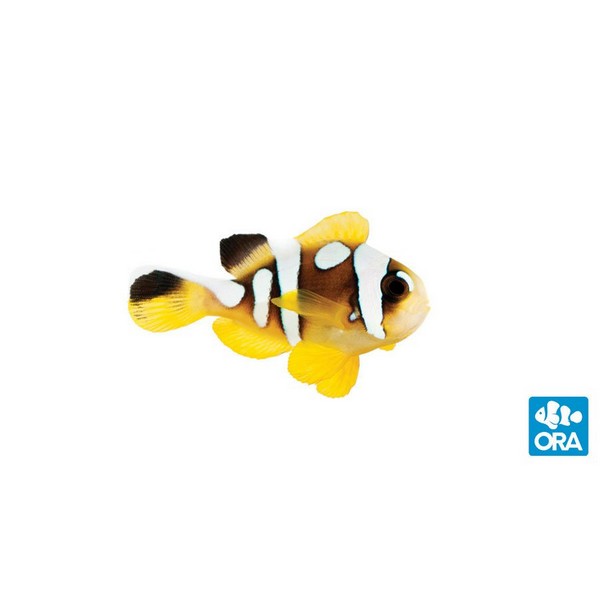
The ORA Spotcinctus Clownfish Captive-Bred (Amphiprion bicinctus) is a designer variant of the Red Sea Two-Band Clownfish, recognized for its irregular white spot patterns and proven hardiness in saltwater aquariums. Captive-bred by Oceans, Reefs & Aquariums (ORA), this morph combines vibrant coloration with exceptional resilience, making it an ideal choice for both new and experienced reef keepers. ORA’s decades of aquaculture expertise ensure consistent quality and health, reducing acclimation stress and promoting longer aquarium lifespans. These fish adapt quickly to tank environments, thrive in community setups, and maintain their striking markings as they mature.
Key Facts
| Specification | Details |
|---|---|
| Scientific Name | Amphiprion bicinctus |
| Family | Pomacentridae |
| Origin | Red Sea (Captive-Bred by ORA, USA) |
| Maximum Size | 5.5 inches |
| Purchase Size | 1–2 inches |
| Lifespan | 10–15 years |
| Care Level | Easy |
| Minimum Tank Size | 30 gallons (single) |
| Temperament | Semi-aggressive |
| Reef Safe | Yes |
| Diet | Omnivore (pellets, flakes, frozen foods) |
| Temperature | 75–78°F (24–26°C) |
| pH Range | 7.7–8.5 |
| Salinity | 1.020–1.026 |
Appearance
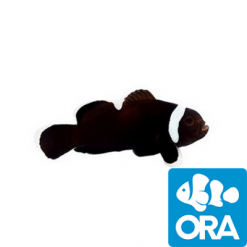
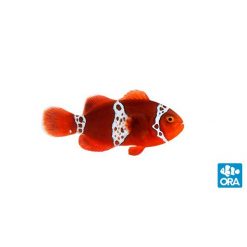
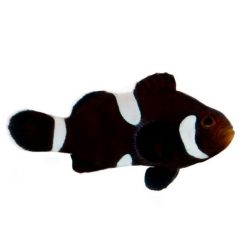
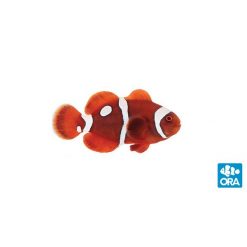
ORA Spotcinctus Clownfish display a rich orange-to-brown base color with irregular white “blobs” or patches between their two body bands. No two fish have identical patterns, giving each a unique designer look. Some individuals exhibit small pearly spots on the head or fins, and coloration deepens with age, especially when paired or hosted by anemones.
Care & Requirements
Spotcinctus Clownfish are hardy, reef-safe fish that adapt well to most marine setups. They thrive in stable, mature systems with moderate flow and high-quality filtration. A minimum 30-gallon tank is recommended for a single fish, with 40-50 gallons for pairs. Maintain water temperature between 75–78°F, pH 7.7–8.5, and salinity near 1.023 for optimal health. These omnivores readily accept pellets, flakes, and frozen fare such as Mysis shrimp or brine shrimp. While they do not require anemones, they often choose a Bubble Tip Anemone (Entacmaea quadricolor) or similar coral as a surrogate host.
Regular feeding and steady water parameters support vivid coloration and minimize territorial stress. ORA’s captive-bred lines are notably more disease-resistant and easier to acclimate than wild-caught fish, further simplifying care for new aquarists.
Do Spotcinctus Clownfish need anemones to survive?
No. They do not depend on anemones but will readily host in one if available, enhancing natural behavior.
What water conditions are best for ORA Spotcinctus Clownfish?
Keep salinity around 1.023, temperature 75–78°F, and maintain excellent water quality with consistent filtration.
How often should they be fed?
Offer small meals two to three times daily using a mix of high-quality pellets and frozen marine foods.
Tank Mates & Compatibility
The ORA Spotcinctus Clownfish coexists well with peaceful to semi-aggressive reef species. Suitable companions include gobies, wrasses, blennies, cardinalfish, and dwarf angelfish. They are reef-safe with corals and invertebrates. When keeping pairs, introduce them simultaneously to minimize dominance displays. As they mature, they may defend a small territory near their chosen host but remain compatible with most community fish.
Avoid housing with large predatory species or highly aggressive damsels. Providing rockwork and open swimming areas supports natural behaviors and reduces stress for all inhabitants.
Can I keep two Spotcinctus Clownfish together?
Yes, a bonded pair will coexist peacefully once hierarchy is established. Introducing them young improves success.
Are they safe with corals and shrimp?
Yes, they are reef-safe and rarely harm corals or ornamental shrimp.
Will they fight other clownfish species?
Mixing with other clownfish types is not advised, as interspecies aggression can occur in confined spaces.
Aquaculture/Availability
ORA Spotcinctus Clownfish are consistently captive-bred in the United States by Oceans, Reefs & Aquariums (ORA). These fish are raised in controlled environments that mimic natural reef conditions, ensuring optimal health and coloration. Captive-bred specimens are more resilient to common marine diseases, easier to acclimate, and more sustainable than wild-caught alternatives.
Currently, captive-bred Spotcinctus are widely available through reputable marine livestock suppliers and remain one of ORA’s most distinctive designer lines.
Are all Spotcinctus Clownfish from ORA captive-bred?
Yes, ORA exclusively produces captive-bred Spotcinctus lines for the aquarium trade.
How does captive-breeding benefit aquarists?
Captive-bred fish are hardier, disease-resistant, and adapt quickly to aquarium life, reducing loss and stress.
Are wild-caught Spotcinctus Clownfish still collected?
Limited wild collection exists, but the majority in trade are ORA captive-bred specimens.
Why Buy From Oceansgarden.com
- Captive-Bred & Sustainable: Many of our fish and invertebrates are captive-bred or sustainably sourced to promote healthy reef ecosystems.
- Expert Care Before Shipping: Every animal is maintained under professional aquarium standards for health, diet, and water quality.
- Live Arrival Guarantee: We stand behind each shipment with a Live Arrival Guarantee for your peace of mind.
- Fast, Reliable Shipping: Orders are packed with proven methods and shipped overnight to ensure safe arrival.
- Transparent Policies: Clear shipping, refund, and guarantee information available on every order page.
- Trusted by Hobbyists: Backed by years of experience and thousands of satisfied marine aquarium keepers across the U.S.
FAQ
What size tank is best for a pair of ORA Spotcinctus Clownfish?
A 50-gallon aquarium provides ample swimming room and territory space for a bonded pair. Larger tanks help reduce minor dominance disputes during breeding behavior.
How long do captive-bred ORA Spotcinctus Clownfish live?
With consistent care, balanced feeding, and stable parameters, they typically live 10–15 years in captivity—comparable to or exceeding wild lifespans.
Can Spotcinctus Clownfish host with corals instead of anemones?
Yes. They sometimes adopt soft corals, large polyp stonies, or even rock crevices as alternative shelters when anemones are unavailable.
What should I feed ORA Spotcinctus Clownfish for best coloration?
Provide a varied omnivorous diet: marine pellets enriched with carotenoids, frozen Mysis, brine shrimp, and small portions of algae-based food to enhance pigment and vitality.
Are ORA Spotcinctus Clownfish compatible with invertebrates?
They coexist safely with most shrimp, snails, and crabs. They rarely nip at sessile invertebrates, making them ideal for mixed reef environments.
How do captive-bred fish differ from wild-caught in behavior?
Captive-bred fish adapt faster, show reduced stress, and usually display calmer temperaments compared to wild specimens.
What lighting conditions suit Spotcinctus Clownfish?
They have no specific lighting needs beyond typical reef illumination. Moderate LED or T5 setups supporting corals are sufficient.
Do Spotcinctus Clownfish change sex like other clownfish?
Yes. They are protandrous hermaphrodites—males can transition to females if the dominant female is lost.
Can they be kept with anemonefish of other species?
No. Mixing species may trigger territorial aggression; maintain one clownfish species per tank.
How soon do Spotcinctus Clownfish bond?
Juvenile pairs often form bonds within several weeks. ORA occasionally offers pre-bonded pairs to simplify pairing for aquarists.
| size | 1 – 2 inches |
|---|
Related products