
ORA Tiger Tail Seahorse Captive-Bred for Sale
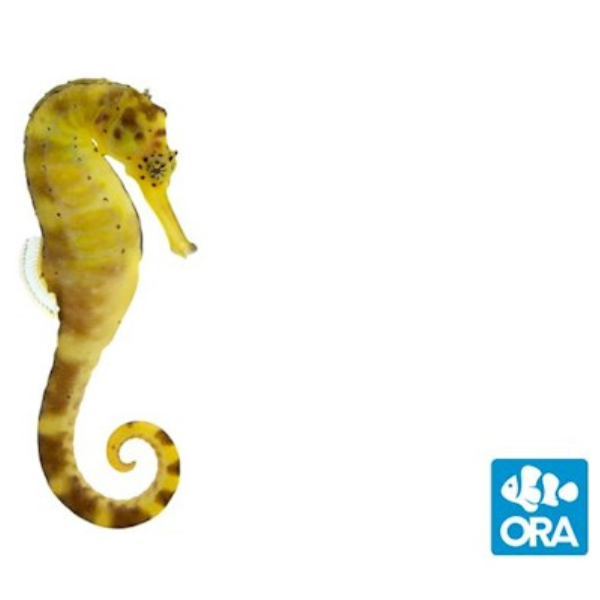
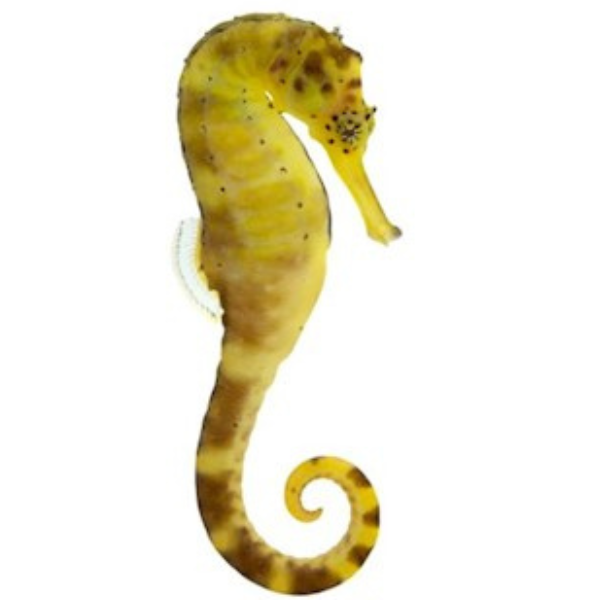
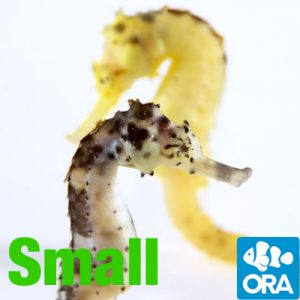
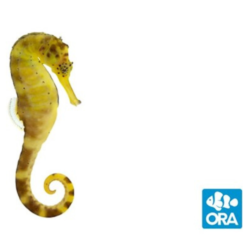
The ORA Tiger Tail Seahorse (Hippocampus comes) is a peaceful, captive-bred seahorse known for its distinct yellow body and black-ringed tail. Because ORA raises these seahorses on a diet of frozen mysis shrimp, they adapt quickly to saltwater aquariums and are far easier to care for than wild-caught specimens. Their gentle nature makes them ideal for aquarists seeking a species-only display or calm companion tank. Each ORA-bred Tiger Tail is selectively raised for health and feeding consistency, ensuring reliable aquarium performance and lower stress levels.
Key Facts
| Specification | Details |
|---|---|
| Scientific Name | Hippocampus comes |
| Family | Syngnathidae |
| Origin | Captive-bred from ORA (originally Indo-Pacific) |
| Max Size | 6 inches |
| Purchase Size | 1–3 inches |
| Lifespan | 5-10 years |
| Care Level | Moderate |
| Minimum Tank Size | 40 gallons (pair) |
| Temperament | Peaceful, social |
| Reef Safe | With caution; avoid stinging corals |
| Diet | Frozen mysis shrimp, copepods |
| Temperature | 72–78 °F |
| pH Range | 8.1–8.4 |
| Salinity | 1.020–1.025 sg |
Appearance
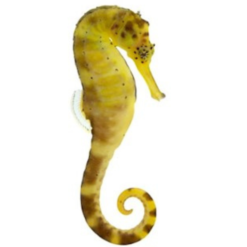
The ORA Tiger Tail Seahorse displays a vivid yellow body accented by striking black rings along its tail and flanks. Color intensity may shift with environment and mood, ranging from golden tones to deeper browns. Their long, curled tails and upright swimming posture make them one of the most recognizable tropical seahorses.
Care & Requirements
ORA Tiger Tail Seahorses thrive in stable, low-flow marine systems with gentle circulation. A minimum 40-gallon tank is recommended for a pair, with additional volume for each extra seahorse. Because they swim slowly, provide at least 3–4 hitching structures such as gorgonian corals, macroalgae, or synthetic branches. Maintain consistent temperature (72–78 °F), pH (8.1–8.4), and salinity (1.020–1.025).
Feed frozen mysis shrimp two to three times daily, removing uneaten food to maintain water quality. A refugium can help provide natural microfauna for supplemental grazing. ORA-bred specimens are trained to accept frozen foods immediately, making them far less demanding than wild individuals.
Strong currents can exhaust seahorses, so use low-flow filtration with a protein skimmer to keep water clean without turbulence.
How often should ORA Tiger Tail Seahorses be fed?
Feed small portions of frozen mysis two to three times per day to ensure full intake without leftover waste.
Can Tiger Tail Seahorses live in a reef tank?
Yes, but only with soft corals or non-stinging LPS species. Avoid anemones or aggressive coral types that may irritate them.
What signs show a healthy ORA Tiger Tail?
A healthy seahorse displays bright coloration, active feeding behavior, and regularly wraps its tail around hitching structures.
Tank Mates & Compatibility
The Tiger Tail Seahorse’s calm nature makes it best suited for species-only systems or peaceful companions that won’t outcompete it for food. Good partners include pipefish, gobies, and small non-aggressive reef fish. Avoid fast swimmers or fin-nippers such as clownfish, tangs, or wrasses.
Reef tanks with mild-flow zones and live plants create a natural environment that supports their feeding habits and reduces stress.
Which corals are safe with ORA Tiger Tail Seahorses?
Soft corals like gorgonians, mushrooms, and leathers are ideal. Avoid those with stinging tentacles like LPS or SPS.
Can I mix different seahorse species?
It’s not recommended; interspecies stress and pathogen transfer can occur. Keep only one species per system.
Do seahorses pair for life?
They often form strong bonds, performing daily courtship dances when kept as pairs.
Aquaculture/Availability
ORA Tiger Tail Seahorses are captive-bred in controlled aquaculture environments, ensuring consistent health, adaptability, and diet acceptance. ORA’s breeding program focuses on disease prevention and sustainable marine practices, reducing pressure on wild populations.
Currently, captive-bred specimens are consistently available through ORA, though demand may outpace supply due to small-batch rearing cycles. For best selection, order early during seasonal availability windows.
Are ORA Tiger Tail Seahorses truly captive-bred?
Yes. ORA breeds them entirely in aquaculture systems—never wild-caught.
Why choose captive-bred over wild seahorses?
Captive-bred seahorses are hardier, parasite-free, and already trained to eat frozen food.
How can I acclimate a new ORA Tiger Tail?
Use a slow drip-acclimation process over 30–45 minutes to match temperature and salinity before release.
Why Buy From Oceansgarden.com
- Captive-Bred & Sustainable: Many of our fish and invertebrates are captive-bred or sustainably sourced to promote healthy reef ecosystems.
- Expert Care Before Shipping: Every animal is maintained under professional aquarium standards for health, diet, and water quality.
- Live Arrival Guarantee: We stand behind each shipment with a Live Arrival Guarantee for your peace of mind.
- Fast, Reliable Shipping: Orders are packed with proven methods and shipped overnight to ensure safe arrival.
- Transparent Policies: Clear shipping, refund, and guarantee information available on every order page.
- Trusted by Hobbyists: Backed by years of experience and thousands of satisfied marine aquarium keepers across the U.S.
FAQ
How large should a tank be for multiple ORA Tiger Tail Seahorses?
A 40-gallon tank suits a bonded pair; add 10–15 gallons per additional seahorse. Height is more important than width—aim for at least 18 inches tall for proper vertical movement.
Are ORA Tiger Tail Seahorses beginner-friendly?
Yes. Because they’re captive-bred and eat frozen mysis, they’re among the easiest seahorses for new saltwater keepers to maintain successfully.
Do Tiger Tail Seahorses change color?
They can shift from bright yellow to brown depending on stress, lighting, and tank décor. Stable parameters help maintain vivid hues.
Can Tiger Tail Seahorses live with shrimp or crabs?
Small cleaner shrimp may coexist, but crabs and predatory invertebrates should be avoided—they can harm or stress seahorses.
What filtration system works best for seahorse tanks?
Use a protein skimmer and gentle overflow to maintain oxygenation without excessive flow. Avoid powerheads that could create strong currents.
Do they require live food?
Not usually. ORA Tiger Tails are trained to accept frozen mysis, but occasional live copepods can enhance nutrition and stimulate natural behavior.
How long do captive-bred Tiger Tail Seahorses live?
With stable conditions and consistent feeding, expect a lifespan of 5-10 years in captivity.
What are common beginner mistakes when keeping seahorses?
Over-filtering with high flow, under-feeding, or housing them with aggressive fish are the main causes of early stress or loss.
| size | 1-3 inches |
|---|
Related products