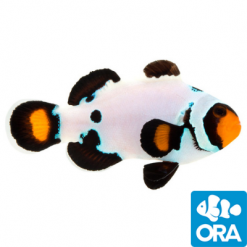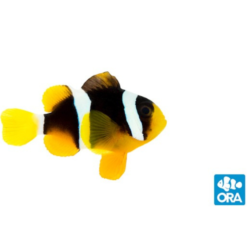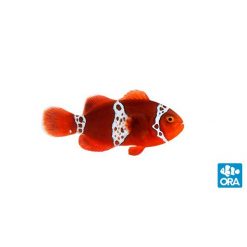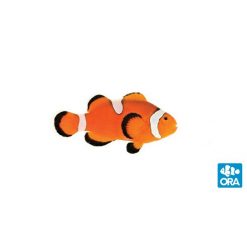

ORA Fancy Longfin Clownfish – Captive Bred for Sale
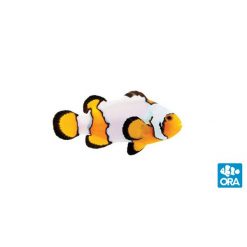
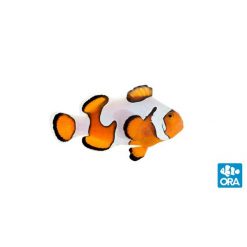
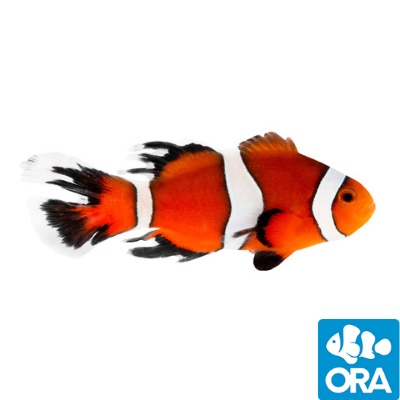
The ORA Fancy Longfin Clownfish (Amphiprion ocellaris) is a captive-bred designer variant prized for its long, flowing fins that set it apart from standard clownfish. With bold orange coloration and three bright white stripes edged in black, it brings both elegance and activity to marine aquariums. Captive breeding ensures these fish are hardy, disease-resistant, and fully adapted to aquarium diets, making them a smart choice for beginners while still offering unique appeal for advanced reef keepers.
Key Facts
| Specification | Details |
|---|---|
| Scientific Name | Amphiprion ocellaris |
| Family | Pomacentridae |
| Origin | Captive bred |
| Max Size | 3–4 inches |
| Purchase Size | 1–2.5 inches |
| Lifespan | 10–15 years |
| Care Level | Easy |
| Minimum Tank Size | 15 gallons for Single, 20 for Pair |
| Temperament | Peaceful to semi-aggressive |
| Reef Safe | Yes |
| Diet | Omnivore – pellets, flakes, frozen foods, mysis shrimp |
| Temperature | 75–82°F (24–28°C) |
| pH Range | 8.1–8.4 |
| Salinity | 1.020–1.026 |
Appearance
The ORA Fancy Longfin Clownfish features the classic orange body of an ocellaris with three crisp white bars outlined in black. Its hallmark trait is the dramatically elongated fins, giving a flowing, feathered look that distinguishes it from standard clownfish.
Care & Requirements
Captive-bred ORA Fancy Longfin Clownfish thrive in aquariums of at least 15 gallons when stable conditions are maintained. They prefer temperatures between 75–82°F, salinity of 1.020–1.026, and pH 8.1–8.4. These omnivores accept most prepared foods, including pellets, flakes, and frozen items like mysis shrimp. Feeding small portions 2–3 times daily keeps them healthy and active. Their semi-aggressive nature is mild compared to many marine fish, making them safe for most reef aquariums.
Can a Fancy Longfin Clownfish live without an anemone?
Yes, they do not require an anemone and will often host in live rock or corals.
How often should I feed this clownfish?
Two to three small meals daily are recommended.
Tank Mates & Compatibility
The ORA Fancy Longfin Clownfish is best housed with peaceful marine species such as gobies, blennies, cardinalfish, and wrasses. Avoid pairing with aggressive or fin-nipping species, as the elongated fins make them vulnerable. They can be kept singly, as a bonded pair, or in small groups in larger tanks.
Can two Fancy Longfin Clownfish live together?
Yes, they can form pairs and may even breed in captivity.
Which fish should be avoided as tank mates?
Aggressive species like triggers, large dottybacks, or damsels should be avoided.
Hosting an Anemone
While not required, the ORA Fancy Longfin Clownfish can form symbiotic relationships with host anemones. Common choices include the Bubble Tip Anemone (Entacmaea quadricolor), which is popular for its hardiness and compatibility. In the absence of an anemone, they may host in corals or live rock.
Do I need an anemone for this clownfish?
No, they will thrive without one and often host in other structures.
What is the best anemone for this species?
The Bubble Tip Anemone is the most common and reliable choice.
Aquaculture/Availability
ORA specializes in sustainably aquacultured clownfish, and the Fancy Longfin Clownfish is consistently available as captive bred. This ensures strong health, disease resistance, and adaptation to prepared foods, while also reducing the need for wild collection. Availability can be limited, so early purchase is recommended.
Are ORA Fancy Longfin Clownfish always captive bred?
Yes, they are exclusively aquacultured by ORA.
Why choose captive-bred over wild clownfish?
Captive-bred fish are hardier, more disease-resistant, and environmentally sustainable.
Why Buy From Oceansgarden.com
- Captive-Bred & Sustainable: Many of our fish and invertebrates are captive-bred or sustainably sourced to promote healthy reef ecosystems.
- Expert Care Before Shipping: Every animal is maintained under professional aquarium standards for health, diet, and water quality.
- Live Arrival Guarantee: We stand behind each shipment with a Live Arrival Guarantee for your peace of mind.
- Fast, Reliable Shipping: Orders are packed with proven methods and shipped overnight to ensure safe arrival.
- Transparent Policies: Clear shipping, refund, and guarantee information available on every order page.
- Trusted by Hobbyists: Backed by years of experience and thousands of satisfied marine aquarium keepers across the U.S.
FAQ
How long do ORA Fancy Longfin Clownfish live in aquariums?
When cared for properly, these clownfish live 10–15 years, similar to standard ocellaris, making them a long-term addition to your tank.
Do ORA Fancy Longfin Clownfish host anemones?
They may form symbiotic relationships with species like the Bubble Tip Anemone, but anemones are not required for their health or survival.
Are Fancy Longfin Clownfish beginner-friendly?
Yes, thanks to captive breeding, they adapt easily to tank life, making them suitable even for first-time marine aquarists.
What makes the fins look different from normal clownfish?
The fins are selectively bred to be elongated and flowing, often with feathered or tattered edges outlined in black.
Can ORA Fancy Longfin Clownfish be kept in nano tanks?
A single specimen may live in a 20-gallon nano reef, but pairs or groups require larger aquariums to ensure stability.
What is the difference between Fancy Longfin and other designer clownfish?
The Fancy Longfin stands out due to its elongated fins, while other designer clownfish varieties are bred for unique color patterns.
Do these clownfish breed in home aquariums?
Yes, pairs may spawn in captivity, laying eggs on flat surfaces near their host territory.
How should I acclimate a Fancy Longfin Clownfish?
A slow drip acclimation over 30–45 minutes is recommended to prevent stress when introducing them to a new aquarium.
Threadfins will have filamented strands that extend from the tip of the fin/s but don’t connect
Longfins will have a fully connected fin. The patterning on our longfins will appear jagged but are in-tact.
Veilfins will have smooth long flowing fins and what most hobbyists associate with a “longfin clownfish” these use different genetics from our longfin production
| size | 1-2.5 inches |
|---|
Related products