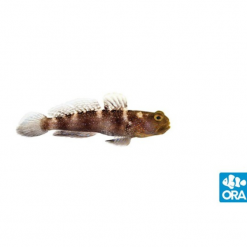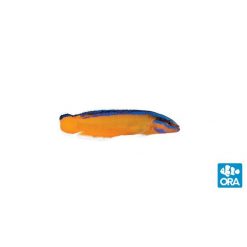
ORA Yellowline Goby Captive-Bred for Sale
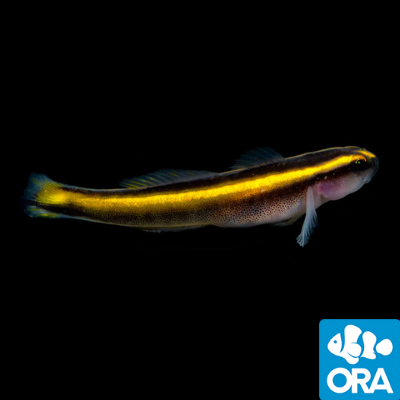
The ORA Yellowline Goby (Elacatinus figaro) is a peaceful, hardy cleaner fish well-suited for saltwater community and reef aquariums of 10 gallons or larger. Recognized for its bold yellow horizontal stripes set against a sleek black body, this species is both functional and attractive in marine setups. As a cleaner goby, it provides the added benefit of removing parasites and debris from other fish, making it a valuable addition for aquarists seeking long-term tank health. Being captive-bred, ORA Yellowline Gobies are more resilient, better adapted to aquarium life, and a sustainable alternative to wild-caught specimens. Many hobbyists choose ORA because they trust the proven success of captive aquaculture and appreciate fish that thrive from day one.
Key Facts
| Specification | Details |
|---|---|
| Scientific Name | Elacatinus figaro |
| Family | Gobiidae |
| Origin | Western Atlantic (Brazil) |
| Max Size | 2–3 inches |
| Purchase Size | 0.25 inch + |
| Lifespan | 3–5 years |
| Care Level | Easy |
| Minimum Tank Size | 10 gallons |
| Temperament | Peaceful, territorial with own kind |
| Reef Safe | Yes |
| Diet | Carnivore – frozen mysis, brine shrimp, prepared foods |
| Temperature | 75–78°F |
| pH Range | 7.7–8.5 |
| Salinity | 1.020–1.026 |
Appearance
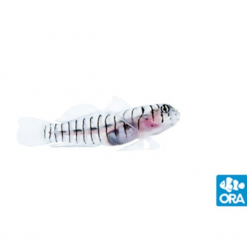
The ORA Yellowline Goby has a dark black body with a white underside, highlighted by two iridescent yellow stripes that run from the snout to the tail. Its slender form allows it to perch on live rock, where it is often seen boldly scanning its surroundings. Adults typically reach 2 to 3 inches in length.
Care & Requirements
Keeping an ORA Yellowline Goby is straightforward. A minimum of 10 gallons is recommended for a single specimen, with larger tanks preferred for pairs. They adapt well to aquascapes with live rock, which provides hiding places and natural feeding grounds. Sand substrate is optional and not required for success. Stable parameters (temperature 75–78°F, salinity 1.020–1.026, pH 7.7–8.5) ensure long-term health.
Feeding is simple, as they accept frozen mysis, enriched brine shrimp, and high-quality marine pellets. A varied carnivorous diet supports robust health, and they are active feeders that compete well in community tanks.
How often should I feed a Yellowline Goby?
Feed small portions 1–2 times daily with a mix of frozen and prepared foods.
Do they require sand to thrive?
No, sand is optional. They adapt well to both bare-bottom and sand-based aquariums.
Tank Mates & Compatibility
The Yellowline Goby is community-friendly and does well with peaceful reef fish such as clownfish, cardinalfish, firefish, and wrasses. Larger fish often tolerate them due to their role as cleaners. They are reef safe and do not harm corals.
They are fully compatible with invertebrates such as shrimp, snails, and crabs. Unlike some gobies, they do not form a symbiotic bond with pistol shrimp but coexist peacefully. Caution is advised when housing multiple Yellowline Gobies, as they can be territorial unless kept as a bonded pair. Avoid aggressive or predatory tank mates that could outcompete them for food.
Can I keep more than one Yellowline Goby?
Only if you have a bonded pair, as they will fight with their own kind.
Are they safe with cleaner shrimp?
Yes, they are peaceful and compatible with most invertebrates.
Aquaculture/Availability
ORA has successfully captive-bred the Yellowline Goby, making it a healthier, hardier, and more sustainable choice than wild-caught fish. Captive-bred specimens adapt quickly to aquarium foods, ship better, and have higher survival rates. This reduces collection pressure on wild populations in Brazil, where exports are restricted.
Currently, captive-bred Yellowline Gobies are produced exclusively through aquaculture programs, and availability can be limited due to demand.
Are ORA Yellowline Gobies always captive-bred?
Yes, ORA exclusively produces captive-bred specimens.
Why choose captive-bred over wild?
Captive-bred gobies are more disease-resistant, better eaters, and adapt faster to aquariums.
Why Buy From Oceansgarden.com
- Captive-Bred & Sustainable: Many of our fish and invertebrates are captive-bred or sustainably sourced to promote healthy reef ecosystems.
- Expert Care Before Shipping: Every animal is maintained under professional aquarium standards for health, diet, and water quality.
- Live Arrival Guarantee: We stand behind each shipment with a Live Arrival Guarantee for your peace of mind.
- Fast, Reliable Shipping: Orders are packed with proven methods and shipped overnight to ensure safe arrival.
- Transparent Policies: Clear shipping, refund, and guarantee information available on every order page.
- Trusted by Hobbyists: Backed by years of experience and thousands of satisfied marine aquarium keepers across the U.S.
FAQ
Are Yellowline Gobies aggressive?
No, they are generally peaceful but may show aggression toward other Yellowline Gobies unless kept as a bonded pair. With other species, they remain non-aggressive and community-safe.
How big do Yellowline Gobies get in aquariums?
They usually reach 2 to 3 inches in length. Their small size makes them ideal for nano reef tanks and community aquariums alike.
Do Yellowline Gobies clean other fish?
Yes, they are considered cleaner gobies and will pick parasites and debris off tankmates, a behavior often welcomed by larger fish.
What is the lifespan of a captive-bred Yellowline Goby?
When kept in stable aquarium conditions, they typically live 3–5 years. Proper diet and clean water can help extend lifespan.
Are Yellowline Gobies reef safe with corals?
Yes, they are completely reef safe and will not damage corals. They can be housed with soft, LPS, and SPS corals without issue.
Do Yellowline Gobies need to be kept in pairs?
No, they can be kept singly. However, a bonded pair can be housed together if provided adequate space.
What tank size is best for Yellowline Gobies?
A minimum of 10 gallons is required for a single goby, though larger tanks allow for more stability and possible pairing.
Will Yellowline Gobies eat pellet foods?
Yes, many captive-bred specimens readily accept high-quality marine pellets in addition to frozen foods.
| size | 0.25 inches+ |
|---|
Related products