ORA Pink Smith Damsel Captive-Bred for Sale
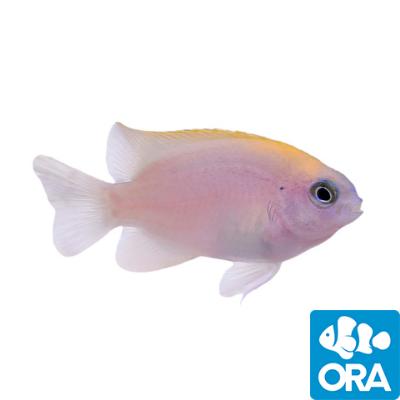
The ORA Pink Smith Damsel Captive-Bred (Pomacentrus smithi) is a hardy reef-safe fish with a peach-pink body and subtle blue facial blush. This species is aquacultured for improved resilience, making it a dependable choice for saltwater aquarists of all experience levels. How big does the ORA Pink Smith Damsel get? They typically reach 2.5 to 3 inches in length. What tank size does the ORA Pink Smith Damsel need? A minimum of 20 gallons is recommended for a single fish, with 30 gallons or more for small groups. Is the ORA Pink Smith Damsel reef-safe? Yes, it is safe with corals and most invertebrates. What do ORA Pink Smith Damsels eat? They thrive on flakes, pellets, and frozen foods such as mysis and brine shrimp. Are ORA Pink Smith Damsels aggressive? They are less aggressive than many damselfish but can show territorial behavior in smaller tanks.
| Specification | Details |
|---|---|
| Scientific Name | Pomacentrus smithi |
| Family | Pomacentridae |
| Origin | Captive-bred (ORA) |
| Adult Size | 2.5–3 inches |
| Lifespan | 5–6 years |
| Minimum Tank Size | 20 gallons (single), 30+ gallons (group) |
| Temperament | Semi-aggressive |
| Reef Safe | Yes |
| Diet | Omnivore (flakes, pellets, frozen foods) |
| Temperature | 75–78°F |
| pH Range | 7.7–8.5 |
| Salinity | 1.020–1.026 SG |
Appearance
The ORA Pink Smith Damsel Captive-Bred displays a shimmering silver-pink body with a light undertone. As it matures, a faint blue or purple blush develops around the eyes and face, giving it a subtle vibrancy not found in many other damselfish. Its compact build and graceful swimming style make it a colorful but balanced presence in a reef tank.
Care & Requirements
The ORA Pink Smith Damsel thrives in stable marine systems with live rock that provides shelter, foraging surfaces, and natural hiding spaces. While a single fish does well in smaller aquariums, groups require more space to reduce territorial behavior. Semi-aggressive by nature, they are calmer than many other damselfish species, especially when kept in larger tanks with structured rockwork.
Feeding is straightforward: offer a mix of high-quality flakes, pellets, and frozen foods such as mysis and brine shrimp. These damsels are enthusiastic eaters and benefit from two to three small feedings daily. A moderate water flow helps replicate their natural environment while keeping the aquarium well-oxygenated.
- How often should I feed the ORA Pink Smith Damsel? Two to three small feedings per day are recommended.
- Do ORA Pink Smith Damsels need live rock? Yes, live rock provides shelter and reduces aggression.
Tank Mates & Compatibility
The ORA Pink Smith Damsel Captive-Bred can coexist peacefully with many reef fish, including clownfish, cardinalfish, wrasses, and tangs. They are safe with invertebrates such as hermit crabs, snails, and cleaner shrimp, and they will not disturb corals.
However, tank size plays a big role in compatibility. In small aquariums, they may show territorial behavior, especially toward other damsels. In larger tanks, groups of three or more distribute aggression and create a natural schooling display. Careful stocking choices help maintain a balanced community.
- Are ORA Pink Smith Damsels safe with corals? Yes, they will not harm soft, LPS, or SPS corals.
- Can ORA Pink Smith Damsels live with other damsels? Only in larger tanks, where aggression can be managed with space and hiding spots.
Aquaculture/Availability
The ORA Pink Smith Damsel Captive-Bred is consistently aquacultured by Oceans, Reefs & Aquariums (ORA). Purchasing captive-bred specimens supports sustainable marine practices, helping reduce the demand for wild-caught fish and protecting natural reef populations. These aquacultured fish are also better adapted to shipping and aquarium life, arriving healthier and more stable than wild counterparts.
- Are ORA Pink Smith Damsels always captive-bred? Yes, all ORA specimens are aquacultured.
- Why choose captive-bred over wild-caught? Captive-bred fish adapt better to aquarium conditions and reduce reef collection pressures.
Why Buy From Oceansgarden.com
- Captive-Bred & Sustainable: Many of our fish and invertebrates are captive-bred or sustainably sourced to promote healthy reef ecosystems.
- Expert Care Before Shipping: Every animal is maintained under professional aquarium standards for health, diet, and water quality.
- Live Arrival Guarantee: We stand behind each shipment with a Live Arrival Guarantee for your peace of mind.
- Fast, Reliable Shipping: Orders are packed with proven methods and shipped overnight to ensure safe arrival.
- Transparent Policies: Clear shipping, refund, and guarantee information available on every order page.
- Trusted by Hobbyists: Backed by years of experience and thousands of satisfied marine aquarium keepers across the U.S.
Full FAQ
Do ORA Pink Smith Damsels jump out of tanks?
Yes, like many small reef fish, they may jump if startled. A secure lid is recommended.
How can I tell if my Pink Smith Damsel is stressed?
Signs include hiding excessively, loss of color, or refusal to eat.
Can ORA Pink Smith Damsels breed in home aquariums?
While possible, breeding success in home setups is rare and requires specialized conditions.
How should I acclimate my ORA Pink Smith Damsel?
Use a slow drip-acclimation process over 30–60 minutes to avoid salinity shock.
Are Pink Smith Damsels confused with other species?
Yes, they can be mistaken for other small pink or peach damsels such as the Talbot’s Damselfish, but their blue facial blush makes them distinctive.
Do Pink Smith Damsels require high water flow?
Moderate flow is best, simulating their natural reef habitat while preventing stress.
| size | up to 1.25 inch |
|---|---|
| Scientific Name | Pomacentrus smithi |
Related products