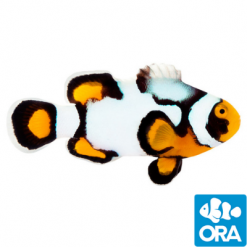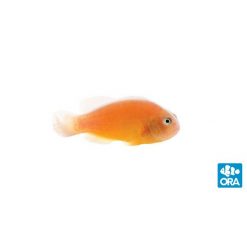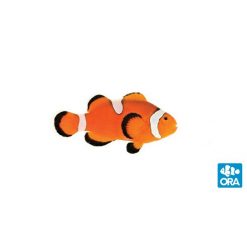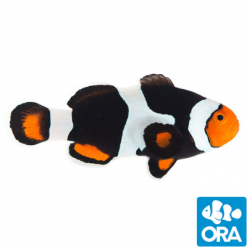
ORA Pearl Eye Two Band Clarkii Clownfish Captive-Bred for Sale
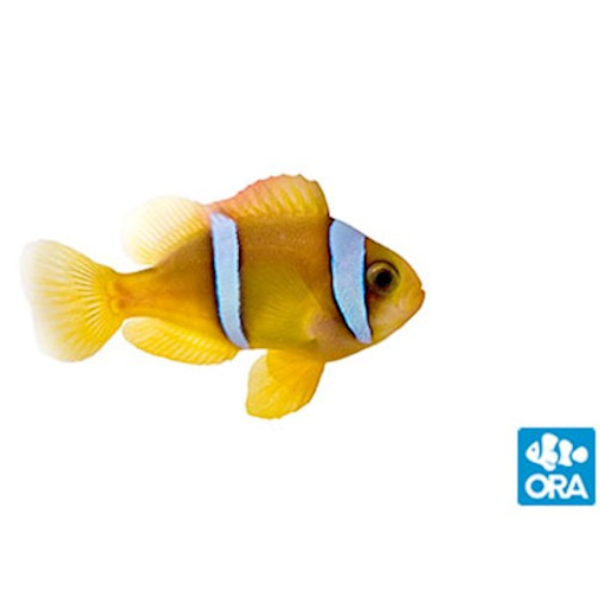
The ORA Pearl Eye Two Band Clarkii Clownfish (Amphiprion clarkii) is a hardy, captive-bred saltwater fish known for its striking blue “pearl” crescent around each eye and dependable adaptability in home aquariums. ORA’s selective aquaculture ensures each fish is disease-resistant, reef-safe, and better adjusted to aquarium life than wild-caught varieties. This makes it an ideal choice for aquarists seeking a resilient and sustainable addition to their tank. With its vibrant yellow-orange body and bold white bands, the Pearl Eye Clarkii adds both beauty and personality to any marine setup.
Key Facts
| Specification | Details |
|---|---|
| Scientific Name | Amphiprion clarkii |
| Family | Pomacentridae |
| Origin | Indo-Pacific |
| Maximum Size | Up to 4 inches |
| Purchase Size | 1–2 inches |
| Lifespan | 6–10 years |
| Care Level | Easy |
| Minimum Tank Size | 20 gallons (single), 40 gallons (pair) |
| Temperament | Semi-aggressive |
| Reef Safe | Yes |
| Diet | Omnivore; mysis shrimp, brine shrimp, pellets |
| Temperature | 78°F (25.5°C) |
| pH Range | 8.1–8.4 |
| Salinity | 1.020–1.025 |
Appearance
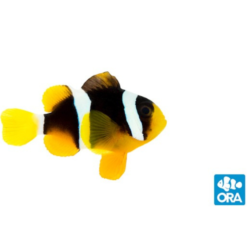
The ORA Pearl Eye Two Band Clarkii Clownfish features a bright yellow-orange body with two clean white vertical bands. Its distinctive trait—a pale blue “pearl” hue in the upper iris—sets it apart from standard Clarkii variations. Color intensity may deepen with age and lighting conditions, making each fish slightly unique.
Care & Requirements
This ORA Clarkii is highly adaptable and suitable for both new and experienced saltwater hobbyists. It thrives in tanks with consistent water quality and moderate flow. A diet combining frozen mysis shrimp, enriched brine shrimp, and high-quality marine pellets maintains color and vitality. Feed 2–3 times daily in small portions. Though semi-aggressive as it matures, providing ample swimming space and rock structure helps minimize territorial behavior.
How often should I feed my Pearl Eye Clarkii?
Two to three small feedings daily are ideal to maintain energy and coloration.
Do they need an anemone?
No, this species can thrive without one but will readily host Bubble Tip or Carpet anemones if available.
What is the recommended water flow?
Moderate flow that supports gas exchange without strong currents works best.
Tank Mates & Compatibility
The ORA Pearl Eye Clarkii Clownfish coexists well with most reef-safe fish and invertebrates. Avoid pairing with other clownfish species unless in a large system. Suitable companions include gobies, wrasses, blennies, and small tangs. Introducing this fish last helps reduce territorial disputes. Reef-safe and coral-friendly, it will not nip at polyps or invertebrates.
Can two Clarkii clownfish live together?
Yes, if introduced as a young pair or into a large enough tank to establish hierarchy.
Are they compatible with shrimp and snails?
Yes, they are safe with cleaner shrimp, hermit crabs, and most reef invertebrates.
Do they fight with other clownfish types?
Clarkii can be territorial, so avoid mixing with other clownfish species in smaller tanks.
Aquaculture/Availability
ORA has been a pioneer in sustainable aquaculture for over 40 years. The Pearl Eye Two Band Clarkii Clownfish is consistently captive-bred, making it hardier and less prone to disease than wild-caught counterparts. ORA’s focus on environmental responsibility ensures that each fish supports reef conservation and reduces wild collection pressure. Currently, captive-bred specimens are the primary source for this species in the aquarium trade.
Are all ORA Clarkii clownfish captive-bred?
Yes, ORA exclusively breeds and raises these fish in controlled aquaculture environments.
Why choose captive-bred fish?
They adapt faster to aquariums, eat prepared foods easily, and carry fewer diseases.
Is the Pearl Eye Clarkii always available?
Availability can vary seasonally due to limited ORA production runs.
Why Buy From Oceansgarden.com
- Captive-Bred & Sustainable: Many of our fish and invertebrates are captive-bred or sustainably sourced to promote healthy reef ecosystems.
- Expert Care Before Shipping: Every animal is maintained under professional aquarium standards for health, diet, and water quality.
- Live Arrival Guarantee: We stand behind each shipment with a Live Arrival Guarantee for your peace of mind.
- Fast, Reliable Shipping: Orders are packed with proven methods and shipped overnight to ensure safe arrival.
- Transparent Policies: Clear shipping, refund, and guarantee information available on every order page.
- Trusted by Hobbyists: Backed by years of experience and thousands of satisfied marine aquarium keepers across the U.S.
FAQ
How big does the ORA Pearl Eye Clarkii get in captivity? Adult Pearl Eye Clarkii typically reach about 4 inches in length, with males slightly smaller than females. Their full size may take 8–12 months to achieve under proper nutrition.
What tank size is ideal for a pair of Clarkii clownfish? A 40-gallon tank is the minimum recommended for a bonded pair. Single specimens can thrive in tanks of 20 gallons or larger.
Is the ORA Pearl Eye Clarkii Clownfish reef safe? Yes. This clownfish is reef-safe and will not harm corals or invertebrates. It may host in anemones but does not require one.
Can the Pearl Eye Clarkii live with aggressive fish? It is best housed with peaceful or semi-aggressive tank mates. Avoid highly territorial species like large damsels.
What is the lifespan of this clownfish? With proper water quality and diet, these fish live between 6 and 10 years in home aquariums.
Do they change color with age? Yes. Juveniles may appear lighter, deepening to rich orange and yellow tones as they mature.
How long does it take for them to acclimate after purchase? Typically within a few days. ORA’s captive breeding ensures quick adjustment to aquarium environments.
Are Pearl Eye Clarkii suitable for beginners? Yes, their hardiness and forgiving nature make them an excellent beginner-friendly marine species.
Can I keep Clarkii Clownfish in a reef tank with corals? Absolutely. Their peaceful interaction with corals and cleaning behavior makes them reef-safe additions.
What foods help maintain their color? Diets rich in carotenoids, such as mysis shrimp and quality pellets, enhance the vivid orange and blue hues.
| size | 1-2 inches |
|---|
Related products