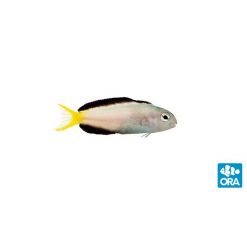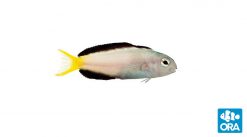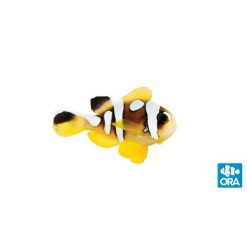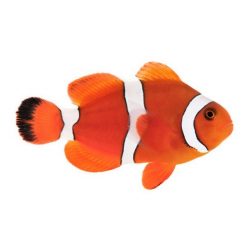
ORA Yellow Assessor Captive-Bred – Hardy, Reef-Safe Basslet for Aquariums
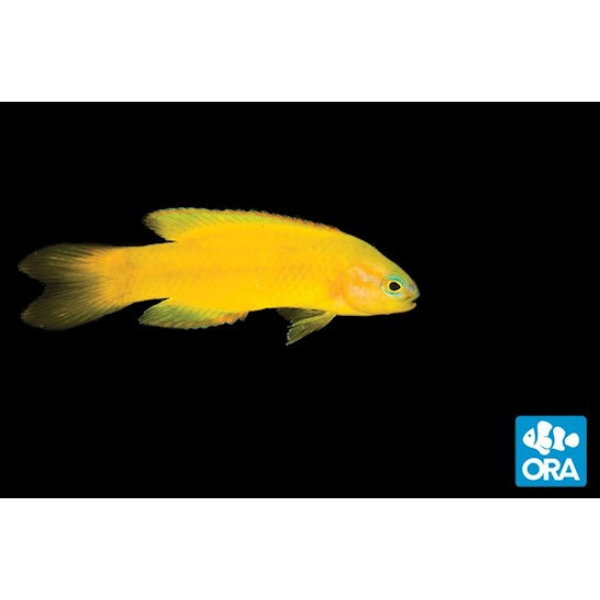
The ORA Yellow Assessor Captive-Bred (Assessor flavissimus) is a hardy, reef-safe basslet prized for its bright yellow color, peaceful nature, and unique upside-down swimming behavior. Unlike wild-caught fish, captive-bred ORA specimens are better adapted to aquarium life, more resilient during shipping, and accustomed to prepared diets. Their calm temperament makes them excellent additions to both beginner and experienced saltwater aquariums. Limited supply means availability is not always guaranteed, so securing yours early ensures you don’t miss out. Trusted by hobbyists and aquaculture professionals alike, the ORA Yellow Assessor brings vibrant activity and stability to your reef tank.
Key Facts
| Specification | Details |
|---|---|
| Scientific Name | Assessor flavissimus |
| Family | Plesiopidae |
| Origin | Australia (ORA Captive Bred) |
| Max Size | 2.5 to 3 inches |
| Purchase Size | Up to 1 inch |
| Lifespan | 5–7 years with proper care |
| Care Level | Easy to moderate |
| Minimum Tank Size | 30 gallons |
| Temperament | Peaceful |
| Reef Safe | Yes |
| Diet | Carnivorous – frozen mysis, brine shrimp, chopped seafood, sinking pellets |
| Temperature | 72–78°F |
| pH Range | 8.1–8.4 |
| Salinity | 1.020–1.026 |
Appearance
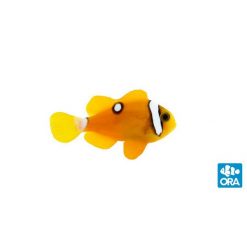
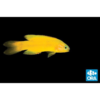
The ORA Yellow Assessor displays a solid golden-yellow body with subtle blue markings near the eyes. It has rounded fins, a distinct forked tail, and is well known for its unusual upside-down swimming behavior, often observed beneath caves and ledges.
Care & Requirements
The ORA Yellow Assessor thrives in aquariums of at least 30 gallons, with larger tanks recommended for groups. Provide live rock with caves, crevices, and overhangs to mimic their natural reef habitat and give hiding spaces. They prefer peaceful community tanks and should not be housed with aggressive species. Maintain stable water quality with ammonia and nitrite at undetectable levels and nitrates below 20 ppm. Perform 10–25% water changes every 2–4 weeks to support long-term health.
As carnivores, they accept frozen mysis shrimp, brine shrimp, finely chopped seafood, and sinking pellets that drift through the water column. Feed 2–3 small meals daily for best results.
What is the minimum tank size for an ORA Yellow Assessor?
A 30-gallon aquarium is the recommended minimum, with larger tanks preferred for multiple specimens.
How often should ORA Yellow Assessors be fed?
Feed 2–3 small meals daily consisting of frozen foods and sinking pellets.
Tank Mates & Compatibility
This fish is peaceful and does well with other non-aggressive species such as clownfish, gobies, and wrasses. Avoid pairing with large predators or overly aggressive tank mates that may intimidate them. When housed in groups, ensure ample rockwork to reduce territorial stress.
Can ORA Yellow Assessors live in groups?
Yes, they can be housed in groups if the aquarium provides enough caves and hiding places.
What fish should not be kept with ORA Yellow Assessors?
Avoid large or aggressive species that may outcompete or bully them, such as triggers or groupers.
Do they get along with clownfish?
Yes, ORA Yellow Assessors are fully compatible with clownfish and other peaceful reef species.
Aquaculture/Availability
ORA has successfully captive-bred the Yellow Assessor, making them more resilient, disease-resistant, and better suited for aquarium life compared to wild-caught specimens. Captive-bred fish adapt quickly to prepared foods, reducing feeding challenges. Availability can be limited and depends on ORA’s production cycle.
Are captive-bred Yellow Assessors easier to keep than wild-caught?
Yes, captive-bred fish are hardier, less stressed, and better adapted to aquarium diets.
Does ORA breed Yellow Assessors year-round?
Availability varies, so they are not always in constant supply.
Do captive-bred Yellow Assessors eat pellet foods?
Yes, they readily accept high-quality sinking pellets along with frozen meaty foods.
Why Buy From Oceansgarden.com
- Captive-Bred & Sustainable: Many of our fish and invertebrates are captive-bred or sustainably sourced to promote healthy reef ecosystems.
- Expert Care Before Shipping: Every animal is maintained under professional aquarium standards for health, diet, and water quality.
- Live Arrival Guarantee: We stand behind each shipment with a Live Arrival Guarantee for your peace of mind.
- Fast, Reliable Shipping: Orders are packed with proven methods and shipped overnight to ensure safe arrival.
- Transparent Policies: Clear shipping, refund, and guarantee information available on every order page.
- Trusted by Hobbyists: Backed by years of experience and thousands of satisfied marine aquarium keepers across the U.S.
FAQ
How big do ORA Yellow Assessors get?
They typically reach about 2.5 to 3 inches in length, making them suitable for reef tanks starting at 30 gallons.
What is the lifespan of an ORA Yellow Assessor?
With proper care, they can live 5 to 7 years in captivity, provided they have a stable environment and balanced diet.
Do ORA Yellow Assessors jump out of tanks?
Yes, they are known to jump, so a tight-fitting aquarium lid is recommended to prevent escapes.
Are ORA Yellow Assessors shy?
They may be timid at first, often hiding in caves or low-light areas, but once settled they become active and inquisitive.
What water parameters are best for ORA Yellow Assessors?
Keep temperature between 72–78°F, pH 8.1–8.4, salinity 1.020–1.026, and nitrate levels below 20 ppm. Stable water quality is essential for long-term health.
What should I feed an ORA Yellow Assessor daily?
Offer a varied carnivorous diet of frozen mysis shrimp, brine shrimp, finely chopped seafood, and sinking pellets 2–3 times per day.
Are ORA Yellow Assessors suitable for beginners?
Yes, their hardy nature, peaceful temperament, and adaptability to prepared foods make them an excellent choice for beginner reef keepers.
Can I keep more than one ORA Yellow Assessor in the same tank?
Yes, but only in tanks with enough rockwork and space. In smaller aquariums, a single specimen is recommended to prevent territorial disputes.
| size | under 1 inch |
|---|
Related products