ORA Blue Devil Damsel Captive-Bred for Sale
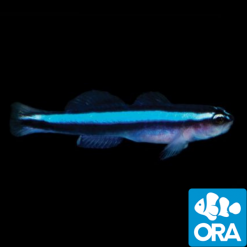
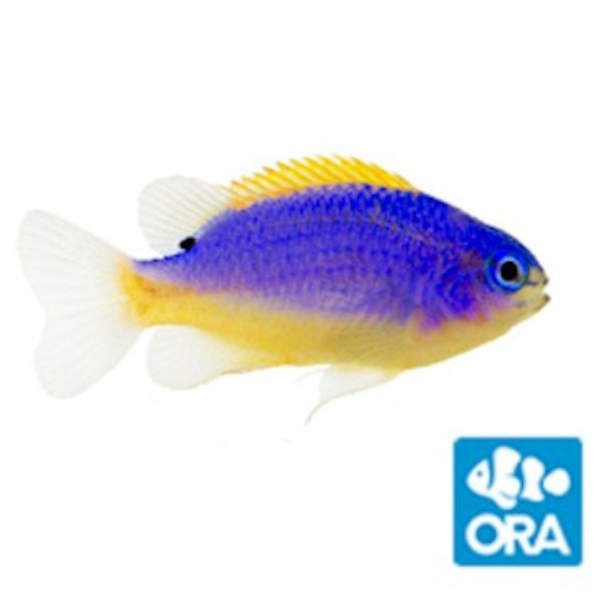
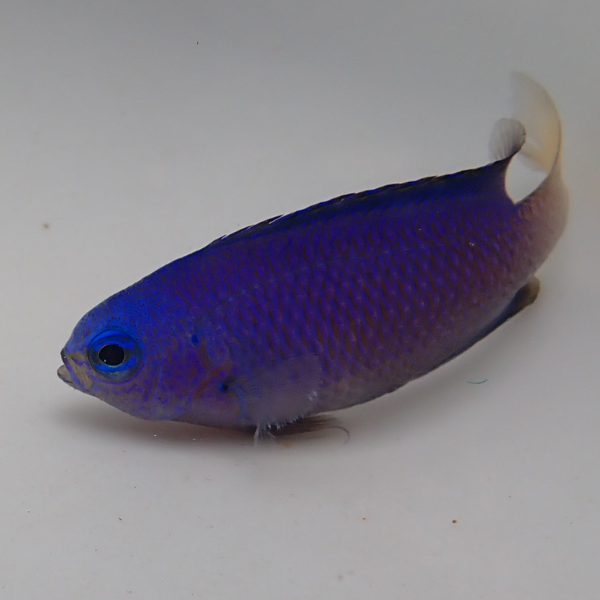
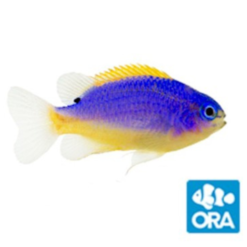
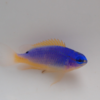
The ORA Blue Devil Damsel Captive-Bred (Chrysiptera cyanea) offers vibrant color and proven resilience, making it an ideal choice for both new and experienced reef keepers. Bred by ORA (Oceans, Reefs & Aquariums), these damselfish are known for their adaptability and stress resistance, thriving in established marine systems with minimal care demands. Unlike wild-caught specimens, captive-bred versions adjust quickly to tank life and display consistent feeding behavior. Their semi-aggressive nature makes them excellent for tanks with robust species, while their electric blue coloration adds contrast and movement to any reef display.
Key Facts
| Specification | Details |
|---|---|
| Scientific Name | Chrysiptera cyanea |
| Family | Pomacentridae |
| Origin | Captive-bred by ORA |
| Max Size | 3 inches |
| Purchase Size | .5 inches |
| Lifespan | Up to 5 years |
| Care Level | Easy |
| Minimum Tank Size | 20–30 gallons |
| Temperament | Semi-aggressive |
| Reef Safe | Yes |
| Diet | Omnivore – flakes, pellets, frozen brine and mysis shrimp |
| Temperature | 75–82°F |
| pH Range | 8.1–8.4 |
| Salinity | 1.020–1.025 sg |
Appearance
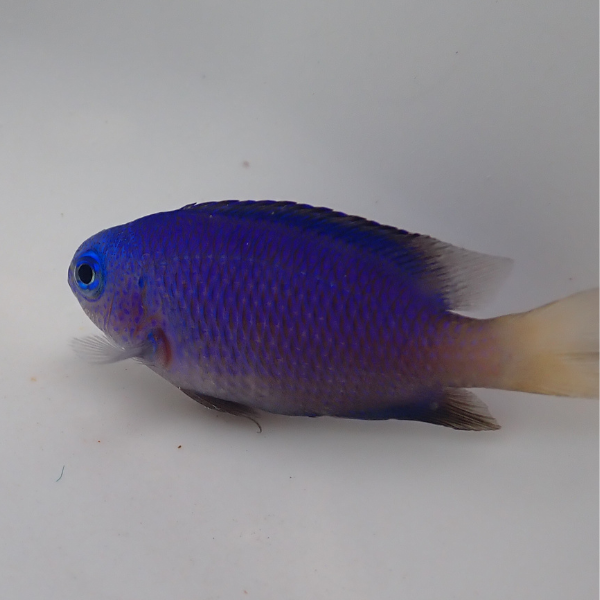
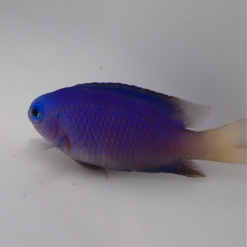
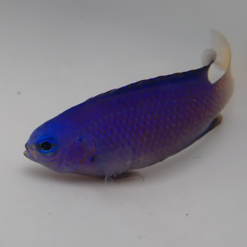
The ORA Blue Devil Damsel displays a brilliant cobalt-blue body with males showing a distinct yellow tail and posterior fin. Females are fully blue and slightly smaller. Under reef lighting, their reflective scales intensify, making them one of the most visually striking small fish available for marine aquariums.
Care & Requirements
This species thrives in stable saltwater systems between 20 and 30 gallons. Provide ample live rock for hiding and territory establishment. They are omnivorous and accept a variety of foods including enriched flakes, pellets, mysis shrimp, and frozen blends. Introduce them last in community setups to minimize aggression. Although reef-safe, they may harass timid tankmates if space is limited. Captive-bred specimens from ORA adapt quickly to aquarium conditions, reducing acclimation stress and improving survival rates.
How often should I feed my ORA Blue Devil Damsel?
Feed 1–2 small meals daily using varied foods for optimal color and activity.
Can they live alone?
Yes, a single Blue Devil Damsel does well solo in smaller tanks, reducing aggression.
Is the ORA Blue Devil Damsel reef-safe?
Yes, it will not harm coral but may chase small shrimp species.
Tank Mates & Compatibility
Best kept with fish of similar size and temperament such as clownfish, dottybacks, or wrasses. Avoid pairing with peaceful gobies or firefish in confined tanks. Provide rockwork and crevices to break line-of-sight and reduce disputes. In larger systems, multiple individuals can coexist if added simultaneously.
Can I keep two ORA Blue Devil Damsels together?
Only in tanks over 40 gallons with plenty of rockwork.
Do they get along with clownfish?
Yes, though both are territorial; introduce them cautiously.
What fish should I avoid housing with them?
Avoid small passive species like neon gobies or assessors.
Aquaculture/Availability
The ORA Blue Devil Damsel Captive-Bred is produced by ORA, a leader in sustainable marine aquaculture. Captive-bred specimens are hardier, less stressed during transport, and better adapted to aquarium life than wild-caught fish. Their availability can be limited due to selective breeding cycles, so they are often in high demand among eco-conscious hobbyists.
Are ORA Blue Devil Damsels always captive-bred?
Yes, all fish labeled ORA originate from controlled aquaculture programs.
Do captive-bred Blue Devils live longer?
Generally yes, due to reduced disease exposure and transport stress.
Why choose captive-bred over wild-caught?
Captive-bred fish adapt faster, eat readily, and support sustainable reef practices.
Why Buy From Oceansgarden.com
- Captive-Bred & Sustainable: Many of our fish and invertebrates are captive-bred or sustainably sourced to promote healthy reef ecosystems.
- Expert Care Before Shipping: Every animal is maintained under professional aquarium standards for health, diet, and water quality.
- Live Arrival Guarantee: We stand behind each shipment with a Live Arrival Guarantee for your peace of mind.
- Fast, Reliable Shipping: Orders are packed with proven methods and shipped overnight to ensure safe arrival.
- Transparent Policies: Clear shipping, refund, and guarantee information available on every order page.
- Trusted by Hobbyists: Backed by years of experience and thousands of satisfied marine aquarium keepers across the U.S.
FAQ
How big do ORA Blue Devil Damsels get?
They grow up to 3 inches, with males typically larger than females. Their compact size allows them to thrive in small to medium reef systems.
Are ORA Blue Devil Damsels good for beginners?
Yes. Their hardiness, adaptability, and willingness to eat a variety of foods make them one of the best starter fish for saltwater aquariums.
How aggressive are Blue Devil Damsels?
They are semi-aggressive, especially as they mature. Keeping them with other active fish and providing hiding places minimizes territorial behavior.
What tank setup is best for them?
A 20–30 gallon aquarium with live rock, stable water parameters, and moderate flow suits them perfectly. They appreciate caves or coral structures for cover.
Do they harm coral or invertebrates?
They are reef-safe and will not damage coral. However, they may occasionally nip or chase small ornamental shrimp.
What’s the lifespan of a captive-bred Blue Devil Damsel?
Typically 4–5 years under optimal conditions, with some living longer in well-maintained tanks.
What do Blue Devil Damsels eat?
They’re omnivores that thrive on a varied diet of flakes, pellets, and frozen foods such as mysis shrimp and brine shrimp.
How do I reduce aggression in my tank?
Add them last, maintain plenty of rockwork, and avoid housing multiple males in small tanks.
Can they be bred in home aquariums?
While possible, it requires a dedicated breeding setup and controlled lighting and feeding schedules. Most hobbyists rely on professional captive-bred stock.
Are ORA Blue Devil Damsels sustainable?
Yes. Purchasing captive-bred fish supports responsible aquaculture and reduces demand for wild reef collection.
| size | Tiny 1/2 inch |
|---|
Related products