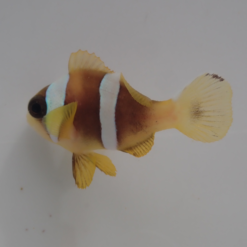
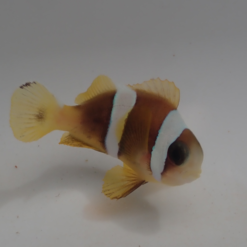
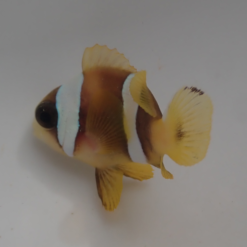
ORA Madagascar Hybrid Clownfish Captive-Bred for Sale
The ORA Madagascar Hybrid Clown (Amphiprion latifasciatus x bicinctus) is a one-of-a-kind captive-bred hybrid developed by ORA, combining the striking contrast of the Madagascar Anemonefish and the Red Sea Two-Band Clownfish. Bred in controlled aquaculture facilities, this hybrid offers aquarists a hardy, reef-safe option with a peaceful temperament and bold coloration that stands out in any marine display. Raised entirely at ORA, these fish adapt easily to captive environments, making them an ideal choice for both new and experienced reef keepers seeking a healthy, ethical alternative to wild-caught species.
Key Facts
| Specification | Details |
|---|---|
| Scientific Name | Amphiprion latifasciatus x bicinctus |
| Family | Pomacentridae |
| Origin | Aquacultured at ORA (derived from Madagascar and Red Sea lineages) |
| Maximum Size | Up to 5 inches |
| Purchase Size | 1–2 inches |
| Lifespan | 8–10 years |
| Care Level | Easy |
| Minimum Tank Size | 30 gallons (single) |
| Temperament | Peaceful to semi-aggressive when defending territory |
| Reef Safe | Yes |
| Diet | Omnivore (dry & frozen foods) |
| Temperature | 76–82°F (24–28°C) |
| pH Range | 8.0–8.4 |
| Salinity | 1.020–1.026 |
Appearance
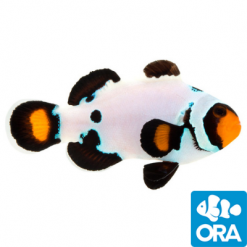
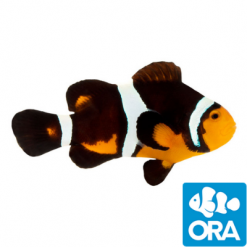
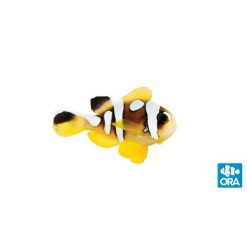
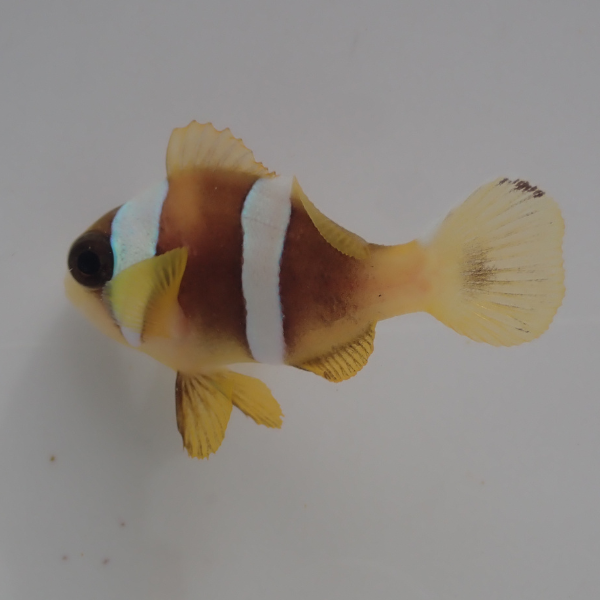
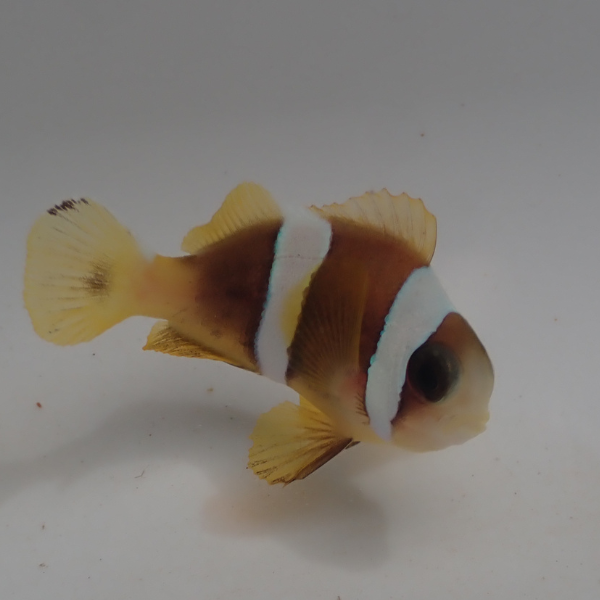
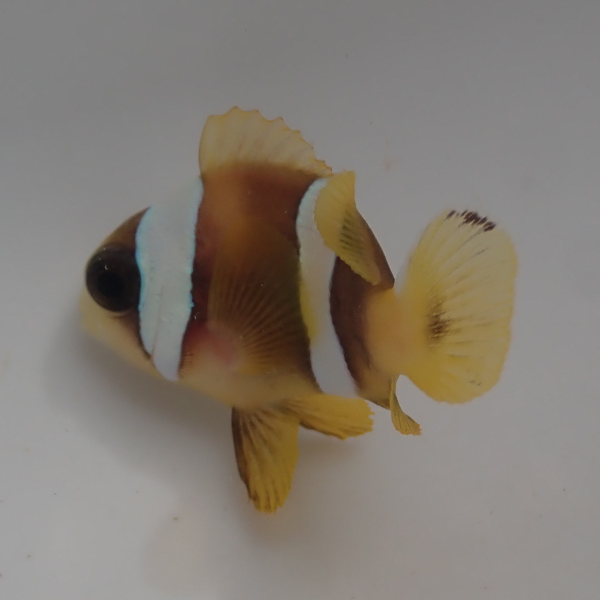
This hybrid displays a deep brown to near-black body with a bright yellow snout, fins, and tail. Two distinct white bars mark its sides, blending the features of both parent species. The contrast between the dark body and vibrant yellow highlights makes this clownfish instantly recognizable among designer varieties.
Care & Requirements
The ORA Madagascar Hybrid Clown is low-maintenance, thriving in stable, mature saltwater systems. A single specimen can be comfortably housed in aquariums of 30 gallons or larger, or a bonded pair in 50+ gallons. They tolerate a wide range of tank conditions and coexist peacefully with most community fish but may show territorial behavior during spawning. These hybrids readily accept both pellet and flake diets, along with occasional frozen mysis or brine shrimp. Regular water quality checks and consistent feeding schedules help maintain optimal health.
- Do they need an anemone to survive?
No, they adapt well without one but may host large-polyp stony (LPS) corals or artificial substitutes. - How often should they be fed?
Two to three small meals daily maintain energy and coloration. - Are they suitable for beginner reef keepers?
Yes, their hardy nature and captive-bred conditioning make them ideal starter clownfish.
Tank Mates & Compatibility
Compatible with other peaceful community fish such as gobies, blennies, and wrasses, the ORA Madagascar Hybrid Clown fits well into mixed reef setups. Avoid pairing with overly aggressive species or other clownfish unless in a large system. They are known to establish small territories but remain generally calm once acclimated.
- Can they live with other clownfish?
Only in larger tanks (55+ gallons) to reduce territorial disputes. - Are they reef-safe with corals?
Yes, they will not harm corals or invertebrates. - Do they host specific anemones?
Often seen hosting Bubble Tip Anemones (Entacmaea quadricolor) in captivity.
Aquaculture/Availability
ORA’s captive-bred Madagascar Hybrid Clownfish are raised entirely in controlled aquaculture environments. This ensures disease resistance, stress reduction, and long-term sustainability. Availability can fluctuate since production at ORA facilities is limited and demand is high.
- Are these fish wild-caught?
No, they are exclusively captive-bred by ORA. - Why are stocks sometimes limited?
Controlled breeding schedules and high demand can cause temporary shortages. - Are captive-bred clownfish hardier than wild ones?
Yes, they’re more resistant to stress and adapt quickly to prepared diets.
Why Buy From Oceansgarden.com
- Captive-Bred & Sustainable: Many of our fish and invertebrates are captive-bred or sustainably sourced to promote healthy reef ecosystems.
- Expert Care Before Shipping: Every animal is maintained under professional aquarium standards for health, diet, and water quality.
- Live Arrival Guarantee: We stand behind each shipment with a Live Arrival Guarantee for your peace of mind.
- Fast, Reliable Shipping: Orders are packed with proven methods and shipped overnight to ensure safe arrival.
- Transparent Policies: Clear shipping, refund, and guarantee information available on every order page.
- Trusted by Hobbyists: Backed by years of experience and thousands of satisfied marine aquarium keepers across the U.S.
FAQ
What makes the ORA Madagascar Hybrid Clown unique?
Its hybrid genetics combine the vibrant yellow of A. bicinctus with the bold dark body of A. latifasciatus, creating a distinct designer clownfish unavailable in the wild.
How big do ORA Madagascar Hybrid Clowns grow?
They typically reach about 4.5 to 5 inches in adulthood, slightly larger than most designer clownfish.
Can this clownfish live without an anemone?
Yes, while they often host corals or decor, they do not require anemones for survival in captivity.
How long do they live in home aquariums?
With proper care and stable conditions, these hybrids can live 8–10 years or more.
What should I feed my ORA Madagascar Hybrid Clown?
Offer a mix of high-quality pellets, flakes, and frozen mysis or brine shrimp. Occasional enrichment foods like krill or marine algae support coloration and vitality.
Is the ORA Madagascar Hybrid Clown compatible with invertebrates?
Yes, they coexist peacefully with shrimp, snails, and most reef-safe invertebrates.
Why choose captive-bred over wild-caught clownfish?
Captive-bred specimens are hardier, disease-resistant, and acclimated to aquarium diets, supporting marine conservation.
Does the ORA Madagascar Hybrid Clown breed in captivity?
Under optimal conditions, bonded pairs may spawn, producing demersal eggs similar to other Amphiprion species.
What size tank is ideal for a pair?
A 50 gallon setup offers ample space for a bonded pair and compatible tank mates.
Are ORA Madagascar Hybrid Clowns suitable for community reef tanks?
Absolutely — they’re reef-safe, hardy, and visually striking, making them excellent centerpiece fish for community systems.
| size | 1-2 inches |
|---|
Related products