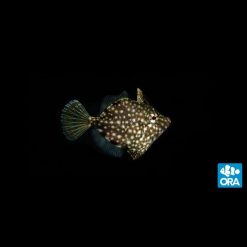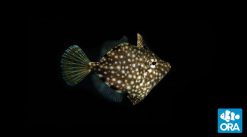

ORA Marine Betta Captive-Bred for Sale
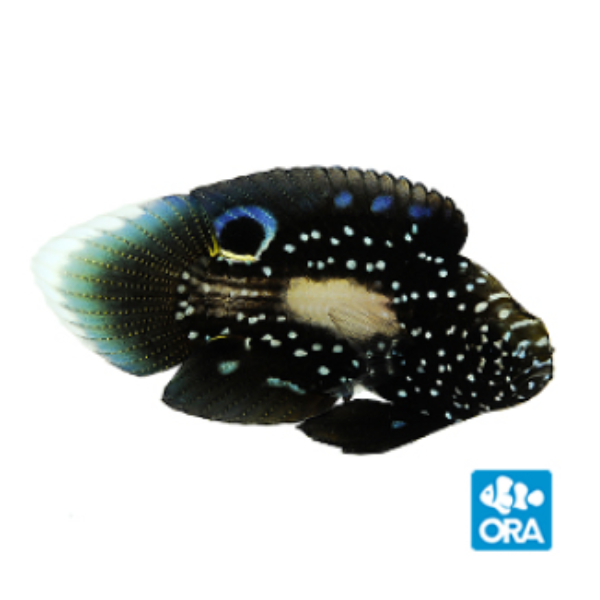
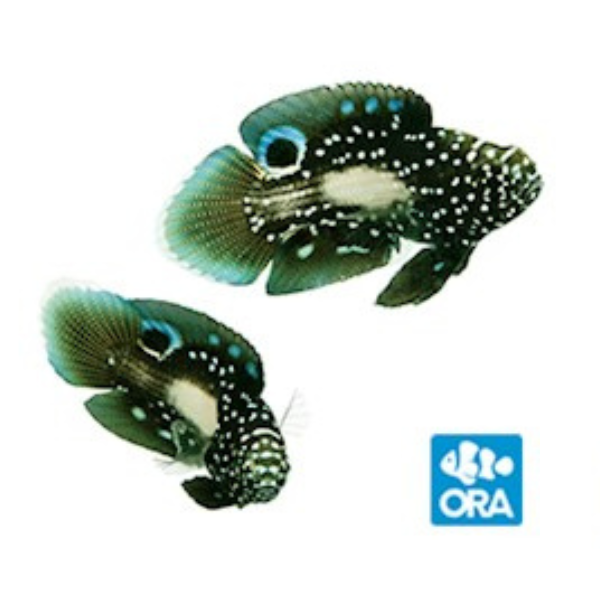
The ORA Marine Betta (Calloplesiops altivelis), also known as the Comet, is a captive-bred saltwater fish admired for its galaxy-like black body speckled with white spots and its large false eyespot near the tail. Bred exclusively by Oceans, Reefs & Aquariums (ORA), this species is hardier, more disease-resistant, and easier to feed than wild-caught varieties. Each ORA-bred specimen supports sustainable aquaculture and reef conservation. As a shy but confident predator, it brings a captivating balance of beauty and resilience to reef aquariums, trusted by marine aquarists for over a decade.
Key Facts
| Specification | Details |
|---|---|
| Scientific Name | Calloplesiops altivelis |
| Family | Plesiopidae |
| Origin | Indo-Pacific |
| Maximum Size | 8 inches |
| Purchase Size | .5–3 inches |
| Lifespan | 8–10 years |
| Care Level | Moderate |
| Minimum Tank Size | 50 gallons |
| Temperament | Shy, semi-aggressive predator |
| Reef Safe | With caution |
| Diet | Carnivorous – frozen mysis, marine pellets, shrimp |
| Temperature | 75–80°F (24–27°C) |
| pH Range | 7.8–8.5 |
| Salinity | 1.020–1.026 specific gravity |
Appearance
The ORA Marine Betta displays a black body scattered with small white dots that resemble a starry night sky. A distinctive large eyespot near its dorsal fin mimics the head of a moray eel, a natural defense mechanism against predators. The fins shimmer with subtle green-blue iridescence, and its elegant swimming behavior adds movement and intrigue to reef displays.
Care & Requirements
Captive-bred ORA Marine Bettas thrive in aquariums with calm water flow, dim lighting, and abundant caves or rock formations for hiding. A 50-gallon tank or larger is recommended for stability and space. Maintain temperature between 75–80°F, pH between 7.8 and 8.5, and salinity of 1.020–1.026. Keep nitrate below 20 ppm. Feed small portions 2–3 times daily using frozen mysis, chopped shrimp, or high-quality carnivore pellets. These captive-bred fish readily accept prepared foods and adapt quickly to aquarium life.
How large of a tank does an ORA Marine Betta need?
A minimum of 50 gallons is required to allow proper swimming and territorial behavior.
Do Marine Bettas need dim lighting?
Yes, subdued lighting helps them feel secure and encourages natural activity.
What foods are best for ORA Marine Bettas?
Frozen mysis shrimp, enriched marine pellets, and finely chopped seafood offer optimal nutrition.
Tank Mates & Compatibility
The Marine Betta is a shy but opportunistic predator. It coexists peacefully with tankmates too large to eat, such as tangs, wrasses, and angelfish. Avoid housing them with small gobies, blennies, or ornamental shrimp. Provide caves or overhangs for retreat during daylight hours to reduce stress and territorial disputes.
Is the ORA Marine Betta reef safe?
Yes, it is generally reef safe but may prey on small crustaceans like small shrimp.
Can Marine Bettas live with clownfish?
Yes, when the aquarium is spacious and has defined hiding spots.
Do they get along with other predators?
Only in large tanks; avoid pairing with aggressive species like triggers or groupers.
Aquaculture/Availability
ORA Marine Bettas are consistently captive-bred by Oceans, Reefs & Aquariums, one of the most trusted names in marine aquaculture. These fish are disease-resistant, feed reliably on prepared diets, and reduce pressure on wild populations. Availability can vary seasonally due to controlled breeding cycles, making them a prized addition for responsible aquarists.
Are captive-bred Marine Bettas healthier than wild-caught ones?
Yes, captive-bred specimens are hardier and acclimate faster to aquarium foods.
How often does ORA release new batches?
Stock is produced seasonally, so availability may fluctuate throughout the year.
Why choose captive-bred over wild-caught?
Captive-bred Bettas support reef sustainability and have a higher long-term survival rate.
Why Buy From Oceansgarden.com
- Captive-Bred & Sustainable: Many of our fish and invertebrates are captive-bred or sustainably sourced to promote healthy reef ecosystems.
- Expert Care Before Shipping: Every animal is maintained under professional aquarium standards for health, diet, and water quality.
- Live Arrival Guarantee: We stand behind each shipment with a Live Arrival Guarantee for your peace of mind.
- Fast, Reliable Shipping: Orders are packed with proven methods and shipped overnight to ensure safe arrival.
- Transparent Policies: Clear shipping, refund, and guarantee information available on every order page.
- Trusted by Hobbyists: Backed by years of experience and thousands of satisfied marine aquarium keepers across the U.S.
FAQ
How big do ORA Marine Bettas get in captivity?
They typically reach 6 to 8 inches depending on feeding and tank size. With good care, they live up to 10 years.
Are ORA Marine Bettas aggressive toward other fish?
They are semi-aggressive but mostly peaceful when tankmates are of equal or larger size.
Are Marine Bettas reef safe with corals and anemones?
Yes, they do not harm corals or anemones, though small shrimp may be eaten.
Do Marine Bettas hide all the time?
They are shy during bright hours but more active in dim or evening light.
What do ORA Marine Bettas eat in aquariums?
They thrive on frozen mysis shrimp, chopped seafood, and carnivore pellets. ORA-bred fish are pre-conditioned to accept these foods.
How can I tell if my Marine Betta is stressed?
Loss of appetite, excessive hiding, or fast breathing can indicate stress. Check water parameters and lighting.
Do Marine Bettas need live rock caves?
Yes, live rock caves provide shelter and reduce aggression.
Can Marine Bettas live singly or in pairs?
They are best kept singly unless housed in a very large aquarium.
How long do ORA Marine Bettas live?
Typically 8–10 years in stable marine systems.
What makes ORA’s Marine Betta different from wild-caught ones?
ORA’s captive-bred specimens are disease-resistant, easily fed, and sustainably raised for long-term success.
| size | .5-3 inches |
|---|
Related products