Reef Safe Algae Cleaner
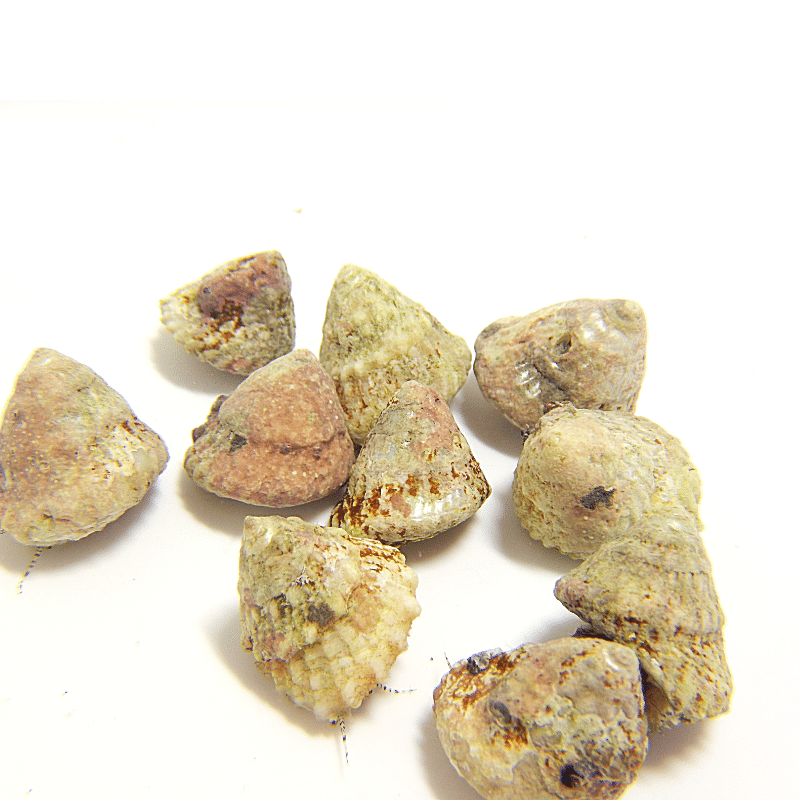
Turbo/Astrea Snail (Astrea tecta) is one of the most effective algae grazers available for saltwater aquariums. These hardy herbivores are prized by reef keepers for their ability to control nuisance algae including diatoms, film algae, and cyanobacteria. For aquarists asking, “Are Astrea snails reef safe?” the answer is yes. They are peaceful, reef safe, and suitable for nearly any community setup. Stocking is simple, a common guideline is about 1 Astrea snail per 2–3 gallons, depending on algae levels. Due to high demand and seasonal availability, they often sell out quickly, making it wise to purchase when in stock.
Key Facts
| Specification | Details |
|---|---|
| Scientific Name | Astrea tecta |
| Family | Turbinidae |
| Origin | Caribbean, Western Atlantic |
| Max Size | 2 inches (5 cm) |
| Purchase Size | 0.75–1 inch |
| Lifespan | 2–5 years |
| Care Level | Easy |
| Minimum Tank Size | 5 gallons |
| Temperament | Peaceful |
| Reef Safe | Yes |
| Diet | Herbivorous (algae grazer) |
| Temperature | 75–80°F |
| pH Range | 8.1–8.4 |
| Salinity | 1.020–1.026 |
Appearance
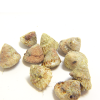
Astrea snails have a pyramid-shaped shell that sometimes develops coralline algae as they age, helping them blend naturally into reef rock. Typically reaching 1–2 inches, their compact size allows them to graze across glass, live rock, and substrate without disturbing other tank inhabitants.
Care & Requirements
Astrea snails thrive in stable reef conditions and are especially valuable for algae control. They are nocturnal grazers but may feed during the day when algae is plentiful. Supplemental feeding with algae wafers or seaweed sheets is recommended if natural algae is limited. They require gradual acclimation to prevent stress from parameter shifts. A notable care point is that they cannot right themselves if flipped over, so occasional monitoring is needed.
Do Astrea snails need supplemental food? Yes, especially in low-algae tanks, seaweed sheets or algae wafers should be offered.
Can Astrea snails live in freshwater tanks? No, they are strictly marine and require stable salinity.
Tank Mates & Compatibility
Astrea snails are peaceful and coexist with reef-safe fish, corals, shrimp, and other invertebrates. They are best kept with non-aggressive species. Avoid predatory fish such as wrasses and puffers, which may target snails. They also pair well with Nassarius snails, which consume detritus instead of algae.
Are Astrea snails aggressive toward other grazers? No, they are peaceful and do not compete aggressively.
Can Astrea snails live with hermit crabs? Yes, though hermits may occasionally attack snails for shells if not provided alternatives.
Astrea vs Turbo Snails
Both Astrea and Turbo snails are popular algae eaters but differ in behavior and requirements. Turbo snails grow larger (up to 3 inches) and consume algae more aggressively but require more space. Astrea snails remain smaller, making them better suited to nano and mid-sized reef tanks. While Turbo snails are stronger and can right themselves, Astrea snails need assistance if flipped.
Monitoring & Health
Healthy Astrea snails are active grazers with firm attachment to surfaces. A stressed or dying snail may remain still, detach easily, or fall over without righting itself. Regular observation ensures they continue feeding and remain effective in the cleanup crew. Supplementing calcium supports proper shell health.
What are signs an Astrea snail is unhealthy? Lack of movement and failure to cling to surfaces are common indicators.
Do Astrea snails need calcium for shell health? Yes, stable calcium levels help maintain shell strength.
Aquaculture/Availability
Currently, captive-bred Astrea snails are not widely available; most specimens in the aquarium trade are wild-collected. Imports often arrive in seasonal batches, and due to strong demand, stock can sell out quickly. Purchasing when available ensures inclusion in your reef’s cleanup crew.
Are Astrea snails always in stock? No, they are often sold in seasonal batches and may be unavailable at times.
Are Astrea snails collected responsibly? Yes, most suppliers follow sustainable collection practices.
Why Buy From Oceansgarden.com
- Captive-Bred & Sustainable: Many of our fish and invertebrates are captive-bred or sustainably sourced to promote healthy reef ecosystems.
- Expert Care Before Shipping: Every animal is maintained under professional aquarium standards for health, diet, and water quality.
- Live Arrival Guarantee: We stand behind each shipment with a Live Arrival Guarantee for your peace of mind.
- Fast, Reliable Shipping: Orders are packed with proven methods and shipped overnight to ensure safe arrival.
- Transparent Policies: Clear shipping, refund, and guarantee information available on every order page.
- Trusted by Hobbyists: Backed by years of experience and thousands of satisfied marine aquarium keepers across the U.S.
FAQ
How many Astrea snails are ideal for a 30-gallon reef tank?
Around 10–12 snails provide balanced algae control without overstocking.
Do Astrea snails reproduce in aquariums?
They rarely reproduce successfully in captivity, so populations stay stable.
What types of algae do Astrea snails consume?
They graze on diatoms, film algae, hair algae, and cyanobacteria.
Can Astrea snails climb aquarium glass?
Yes, they actively graze on glass surfaces as well as rock.
Are Astrea snails sensitive to sudden water changes?
Yes, they require slow acclimation to prevent stress from parameter shifts.
Do Astrea snails add significant bio-load?
No, they contribute minimal waste and are reef-safe.
How long do Astrea snails usually live in aquariums?
They typically live 2–5 years in stable marine conditions.
Can Astrea snails be kept in nano reef tanks?
Yes, their small size makes them suitable for tanks as small as 5 gallons.
Related products