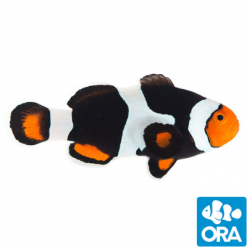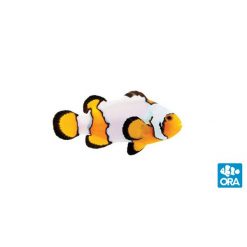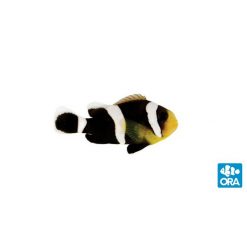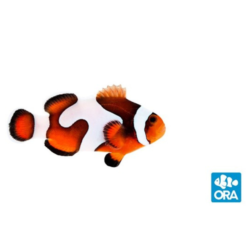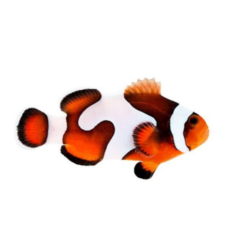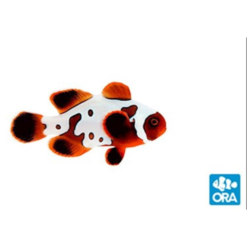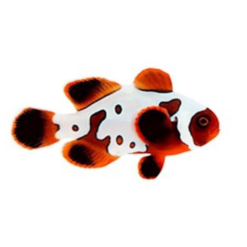


ORA Black Picasso Percula Clownfish Captive-Bred for Sale
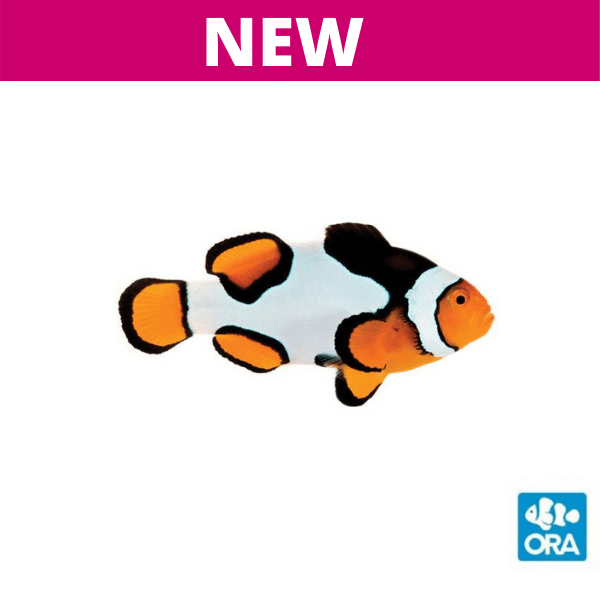
The ORA Black Picasso Percula Clownfish (Amphiprion percula) adds a rare designer flair to any saltwater aquarium. Selectively bred by ORA, each fish displays a dramatic mix of black and white striping that contrasts beautifully against its bright orange face and fins. Every individual pattern is one of a kind. As a captive-bred species, it adapts quickly to aquariums, resists disease, and supports responsible marine aquaculture. Backed by ORA’s 40+ years of breeding expertise, this fish is both a striking centerpiece and a hardy choice for hobbyists. Limited runs of premium-grade pairs tend to sell out quickly due to high demand.
Key Facts
| Specification | Details |
|---|---|
| Scientific Name | Amphiprion percula |
| Family | Pomacentridae |
| Origin | Captive-bred (ORA – Oceans, Reefs & Aquariums) |
| Maximum Size | 3-4 inches |
| Purchase Size | 1–2 inches |
| Lifespan | 10–12 years |
| Care Level | Easy |
| Minimum Tank Size | 20 gallons |
| Temperament | Peaceful to semi-aggressive when paired |
| Reef Safe | Yes |
| Diet | Omnivore – enriched flakes, pellets, mysis, and brine shrimp |
| Temperature | 75–82°F (24–28°C) |
| pH Range | 8.0–8.4 |
| Salinity | 1.020–1.026 specific gravity |
Appearance
This clownfish shows asymmetrical white striping and deep black coloration that darkens with age. Juveniles start with orange and white tones, gradually developing richer black pigment as they mature. Each fish displays its own distinct Picasso pattern, making it truly unique.
Grading & Color Development
ORA classifies their Picasso lines into several grades based on pattern coverage and symmetry. The Black Picasso grade features heavier black pigment across the body and fins, while Premium Picasso individuals exhibit more balanced patterning. Over time, the black coloration deepens, producing a vivid contrast that intensifies under aquarium lighting.
Care & Requirements
The ORA Black Picasso Percula Clownfish thrives in stable, well-maintained aquariums. A 20-gallon tank or larger is suitable for a single fish, or a 40 gallon for a bonded pair. Maintain temperatures between 75–82°F with salinity around 1.023. Feed small portions of varied marine foods two to three times daily. Though naturally associated with Bubble Tip (Entacmaea quadricolor) anemones, this species remains healthy without one and may host within corals or rock structures.
Do ORA Black Picasso clownfish need anemones?
No. They remain healthy and active even without a host anemone.
How often should I feed my clownfish?
Feed small amounts two to three times daily to maintain health and color.
What is the best temperature range?
Keep the aquarium between 75–82°F for optimal activity and immunity.
Tank Mates & Compatibility
Generally peaceful, this clownfish coexists well with gobies, blennies, wrasses, and cardinalfish. Avoid aggressive species such as triggers or large dottybacks. When pairing, choose fish of different sizes to reduce territorial behavior—the larger typically becomes female. Their reef-safe nature allows them to live alongside corals and ornamental shrimp.
Can multiple Picasso clownfish live together?
Only one bonded pair should be kept per aquarium to prevent aggression.
Are they compatible with shrimp and corals?
Yes. They are reef-safe and non-destructive toward corals and invertebrates.
Will they mix with other clownfish types?
No. Keep only one clownfish species per tank to avoid conflicts.
Aquaculture/Availability
The ORA Black Picasso Percula Clownfish is produced exclusively through ORA’s selective breeding program. These fish are fully captive-bred, ensuring adaptability and disease resistance. Captive-bred fish also help reduce wild collection pressure and promote sustainable aquaculture. Premium-grade pairs and highly patterned individuals often sell out fast due to limited production runs.
Are all Black Picasso clownfish captive-bred?
Yes. ORA breeds them entirely in captivity for consistent health and coloration.
How are grades determined?
Grades depend on the extent and symmetry of the white and black pattern coverage.
Why choose captive-bred over wild-caught?
Captive-bred clownfish adapt faster, resist disease, and are more sustainable.
Why Buy From Oceansgarden.com
- Captive-Bred & Sustainable: Many of our fish and invertebrates are captive-bred or sustainably sourced to promote healthy reef ecosystems.
- Expert Care Before Shipping: Every animal is maintained under professional aquarium standards for health, diet, and water quality.
- Live Arrival Guarantee: We stand behind each shipment with a Live Arrival Guarantee for your peace of mind.
- Fast, Reliable Shipping: Orders are packed with proven methods and shipped overnight to ensure safe arrival.
- Transparent Policies: Clear shipping, refund, and guarantee information available on every order page.
- Trusted by Hobbyists: Backed by years of experience and thousands of satisfied marine aquarium keepers across the U.S.
FAQ
How large do ORA Black Picasso clownfish get?
Adults reach about 3 inches and stay compact, ideal for small reef setups.
Are they completely reef-safe?
Yes. They do not harm corals, polyps, or most invertebrates.
How can I tell if my pair is bonded?
Bonded pairs swim closely, share territory, and rarely show aggression.
What makes them different from standard Percula clownfish?
ORA Black Picasso clownfish exhibit unique irregular black markings and greater hardiness from selective breeding.
Do they change color over time?
Yes. Juveniles gradually darken as black pigmentation spreads and intensifies.
Can they live without an anemone?
Absolutely. They may host corals or tank décor instead.
How long do they live?
Typically 10–12 years under proper aquarium conditions.
Can they live with other ORA designer clownfish?
It’s best to keep only one designer variant per tank to prevent aggression.
Do they need special lighting or filtration?
Standard reef lighting and filtration systems are sufficient.
How should I acclimate them?
Float the shipping bag for temperature equalization, then drip-acclimate slowly over 30–45 minutes before release.
| size | 1-2 inches |
|---|
Related products