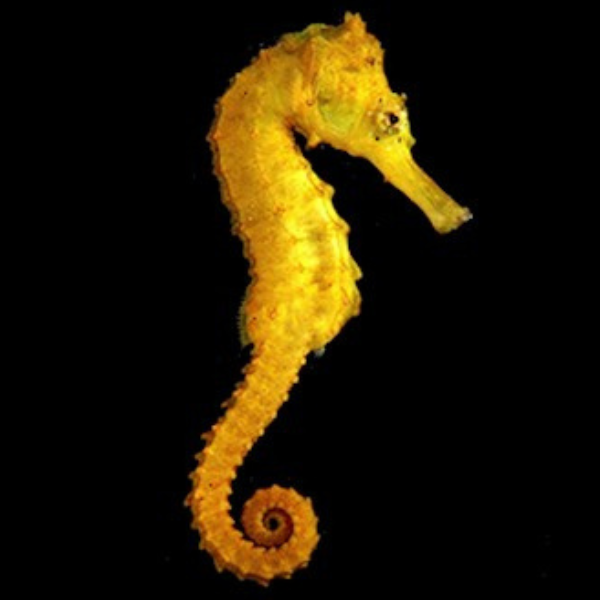
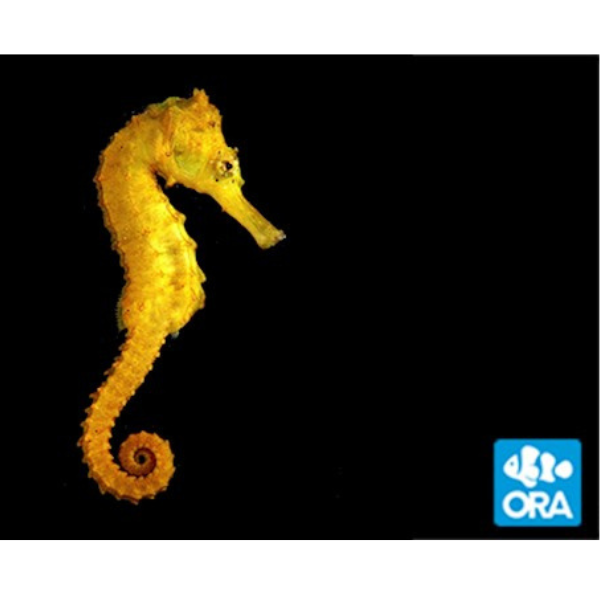
ORA Reidi Seahorse Captive-Bred for Sale

Watch Video
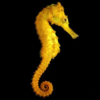
The ORA Reidi Seahorse Captive-Bred (Hippocampus reidi) offers a rare opportunity to keep one of the largest and most vibrant seahorse species in the hobby. Growing over 8 inches, these Brazilian Longsnout Seahorses display striking colors ranging from black to yellow, orange, and red. Unlike wild-caught specimens, ORA captive-bred seahorses are trained to accept frozen foods, making feeding more reliable and stress-free. Their aquaculture origin ensures they are hardier, more resilient, and better adapted to aquarium life. Stock is limited, and demand is high, making it important to secure your pair early. Trusted by marine aquarists worldwide, ORA continues to set the standard in sustainable aquaculture, reducing the pressure on wild seahorse populations while supplying healthier, easier-to-care-for specimens.
Key Facts
| Specification | Details |
|---|---|
| Scientific Name | Hippocampus reidi |
| Family | Syngnathidae |
| Origin | Brazil (aquacultured in captivity) |
| Max Size | 8 inches |
| Purchase Size | 2–4 inches |
| Lifespan | 3–5 years |
| Care Level | Moderate to expert |
| Minimum Tank Size | 30 gallons (pair) |
| Tank Height | 18 inches minimum |
| Temperament | Peaceful, slow-moving |
| Reef Safe | Yes with non-stinging corals |
| Diet | Frozen mysis shrimp, copepods, enriched brine |
| Temperature | 72–78°F |
| pH Range | 8.1–8.4 |
| Salinity | 1.020–1.025 |
Appearance
The ORA Reidi Seahorse is long and slender, with a distinctive snout and a graceful upright swimming posture. Their coloration is highly variable, with individuals displaying shades of black, yellow, orange, and red. Some may shift color depending on mood, environment, or breeding condition.
Care & Requirements
A minimum of 30 gallons is recommended for a pair, with a vertical height of at least 18 inches since seahorses are upright swimmers. Water flow should be low to medium, with ample hitching posts such as macroalgae, artificial coral branches, or plastic chains. Feeding should consist of frozen mysis shrimp offered two to three times daily, ensuring uneaten food is removed promptly. Stable water parameters are critical: 72–78°F, pH 8.1–8.4, and salinity between 1.020–1.025. A protein skimmer is highly recommended for maintaining clean water. Regular weekly partial water changes (10–25%) help maintain quality and reduce stress.
Do ORA Reidi seahorses need a species-only tank?
They do best in species-only setups but may work with carefully chosen tankmates.
How often should ORA Reidi seahorses be fed?
Feed 2–3 times daily with frozen mysis shrimp as their staple diet.
Tank Mates & Compatibility
ORA Reidi Seahorses are peaceful and deliberate feeders, making them poor competitors against fast-moving fish. Good tankmates include small, non-aggressive species like gobies, pipefish, firefish, and cardinalfish. Non-aggressive invertebrates such as cleaner shrimp, snails, and some soft corals can also be included. Avoid crabs, aggressive fish, and corals with strong stinging tentacles such as anemones.
Can ORA Reidi seahorses live with clownfish?
Only with the most peaceful clownfish varieties in large tanks, though risk of food competition exists.
Are ORA Reidi seahorses reef safe?
Yes, but only with soft corals and select LPS; avoid aggressive or stinging corals.
Aquaculture/Availability
ORA Reidi Seahorses are consistently captive-bred, with specimens raised exclusively in controlled environments. This aquaculture approach ensures healthier, more resilient seahorses that are already trained to accept frozen foods. Unlike wild-caught specimens, they adapt faster to home aquariums and support sustainable reef-keeping by reducing demand for wild populations. Availability can be limited due to breeding cycles, so stock often sells quickly.
Are captive-bred seahorses healthier than wild ones?
Yes, they are more resilient and disease-resistant.
Are ORA Reidi seahorses always available?
Availability can be limited due to breeding cycles, so stock often sells quickly.
Why Buy From Oceansgarden.com
- Captive-Bred & Sustainable: Many of our fish and invertebrates are captive-bred or sustainably sourced to promote healthy reef ecosystems.
- Expert Care Before Shipping: Every animal is maintained under professional aquarium standards for health, diet, and water quality.
- Live Arrival Guarantee: We stand behind each shipment with a Live Arrival Guarantee for your peace of mind.
- Fast, Reliable Shipping: Orders are packed with proven methods and shipped overnight to ensure safe arrival.
- Transparent Policies: Clear shipping, refund, and guarantee information available on every order page.
- Trusted by Hobbyists: Backed by years of experience and thousands of satisfied marine aquarium keepers across the U.S.
FAQ
How large do ORA Reidi seahorses grow in captivity?
They can reach over 8 inches in length, making them one of the largest commonly available seahorses.
What tank setup is best for ORA Reidi Seahorses?
A tall tank (18 inches minimum height) with at least 30 gallons for a pair is best. Provide hitching posts like artificial corals, macroalgae, or branching rock.
What do ORA Reidi Seahorses eat besides mysis shrimp?
Their diet can be supplemented with enriched brine shrimp, copepods, and other frozen foods, though mysis shrimp should remain their staple.
Can ORA Reidi Seahorses change color?
Yes, they can shift between yellow, orange, red, and black depending on environment, stress level, or breeding condition.
Are ORA Reidi Seahorses good for beginner aquarists?
They are considered moderate to expert-level due to their feeding frequency and water quality needs, so they are not ideal for first-time saltwater keepers.
Do ORA Reidi Seahorses require live food?
No, they are trained to eat frozen mysis shrimp, which makes feeding easier compared to wild seahorses.
Can ORA Reidi Seahorses be kept in pairs or groups?
Yes, they often thrive in pairs or small groups, provided the tank is large enough and food competition is minimized.
What is the lifespan of ORA Reidi Seahorses in captivity?
With proper care, they typically live 3–5 years in home aquariums.
DISCLAIMER: YOU ARE NOT GARUNTEEDED THAT A SEAHORSE IS A SPECIFIC COLOR THEY CHANGE DEPENDING ON THEIR ENVIRONMENTAL CONDITIONS, WE DO OUR BEST BY KEEPING COLORED ORMANENTS IN THEIR TANK.
| size | 2-4 inches |
|---|
Related products