ORA Flameback Angelfish Captive Bred for Sale
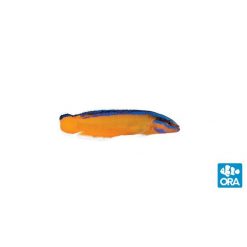
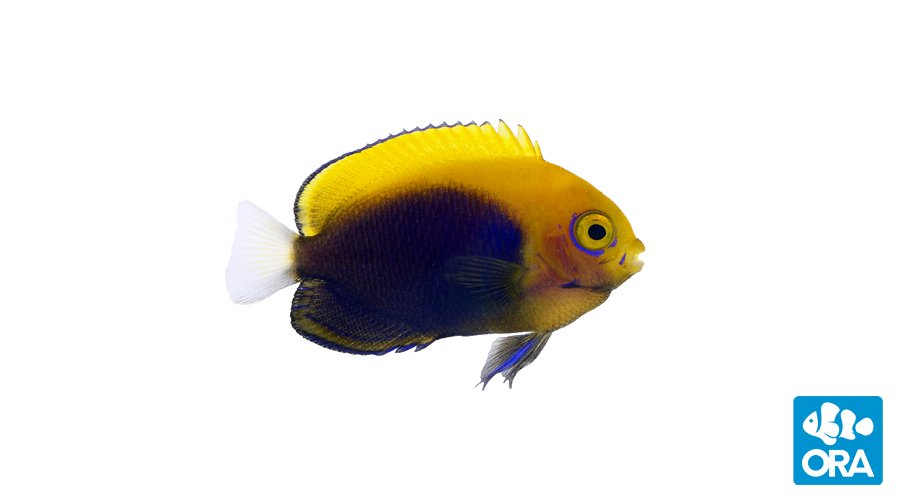
The ORA Flameback Angelfish Captive Bred (Centropyge acanthops) is a brilliantly colored dwarf angelfish ideal for saltwater aquariums. Its vivid golden-yellow body and cobalt-blue back create a striking display, while its small size—under 3 inches—makes it perfect for nano and mid-sized reef systems. Captive-bred by Oceans, Reefs & Aquariums (ORA), this species offers unmatched adaptability, disease resistance, and sustainability. Unlike wild-caught specimens, ORA’s Flamebacks adjust quickly to aquarium life and thrive on prepared foods, making them a dependable choice for both new and experienced marine keepers. Each fish is ethically sourced and raised under controlled aquaculture conditions, ensuring superior health and compatibility. Limited availability makes these captive-bred specimens a valued addition to any reef collection.
Key Facts
| Specification | Details |
|---|---|
| Scientific Name | Centropyge acanthops |
| Family | Pomacanthidae |
| Origin | Western Indian Ocean (Captive Bred by ORA) |
| Max Size | 3 inches |
| Purchase Size | Under 1 inch |
| Lifespan | 5–7 years |
| Care Level | Moderate |
| Minimum Tank Size | 30 gallons |
| Temperament | Semi-aggressive |
| Reef Safe | With caution |
| Diet | Omnivore; pellets, spirulina, mysis, algae |
| Temperature | 72–78°F |
| pH Range | 8.1–8.4 |
| Salinity | 1.020–1.025 sg |
Appearance
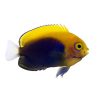
The ORA Flameback Angelfish displays a vibrant golden-yellow body with a deep cobalt-blue dorsal area and tail. Its compact, oval form and sharp color contrast make it one of the most striking dwarf angelfish species available. Juveniles often show a pronounced blue margin that softens as they mature.
Care & Requirements
This energetic pygmy angelfish adapts well to stable marine environments with adequate live rock and hiding places. Provide a balanced diet including high-quality marine pellets, frozen mysis shrimp, and spirulina-based foods. They also graze naturally on algae growing on live rock. Due to semi-aggressive behavior toward similar-shaped species, house singly in smaller tanks or plan carefully in systems over 55 gallons. Use a tight-fitting lid, as Flamebacks are known jumpers. Consistent water changes and stable salinity preserve their vivid coloration and health.
Is the ORA Flameback Angelfish reef safe?
Yes, though it is considered reef safe with caution. They may occasionally nip at soft corals if underfed.
What do Flameback Angelfish eat?
A varied diet of marine pellets, mysis shrimp, and algae-based foods supports color and vitality.
Can they live in a nano tank?
Yes, a minimum of 30 gallons with live rock and swimming space is suitable.
Tank Mates & Compatibility
The Flameback Angelfish thrives with peaceful yet confident tank mates. Ideal companions include clownfish, wrasses, gobies, and blennies. Avoid mixing multiple dwarf angelfish unless in tanks over 100 gallons with clearly defined territories. Provide rock structures to diffuse aggression and create safe zones.
Can I keep more than one Flameback Angelfish?
Only in larger tanks (100+ gallons) where territories can form naturally.
Are Flamebacks aggressive toward clownfish?
Generally no, but monitor behavior in confined systems.
Do they get along with tangs or wrasses?
Yes, in larger aquariums with adequate swimming room.
Aquaculture/Availability
The ORA Flameback Angelfish Captive Bred is consistently aquacultured by Oceans, Reefs & Aquariums (ORA) in Florida. These hardy specimens are raised on prepared foods and are free from parasites and transport stress. Their resilience and adaptability make them excellent long-term inhabitants. Captive breeding supports sustainable reef conservation and helps reduce wild collection pressures. Each ORA Flameback is aquacultured for resilience and long-term success—making it a smart, ethical addition to any reef aquarium.
Are captive-bred Flameback Angelfish healthier?
Yes, they show higher disease resistance and better adaptation to aquarium diets.
Where are ORA Flameback Angelfish bred?
They are bred and raised in controlled facilities by Oceans, Reefs & Aquariums in Florida.
Are captive-bred Flamebacks rare?
Availability fluctuates, and they often sell quickly due to limited production.
Why Buy From Oceansgarden.com
- Captive-Bred & Sustainable: Many of our fish and invertebrates are captive-bred or sustainably sourced to promote healthy reef ecosystems.
- Expert Care Before Shipping: Every animal is maintained under professional aquarium standards for health, diet, and water quality.
- Live Arrival Guarantee: We stand behind each shipment with a Live Arrival Guarantee for your peace of mind.
- Fast, Reliable Shipping: Orders are packed with proven methods and shipped overnight to ensure safe arrival.
- Transparent Policies: Clear shipping, refund, and guarantee information available on every order page.
- Trusted by Hobbyists: Backed by years of experience and thousands of satisfied marine aquarium keepers across the U.S.
FAQ
How long do ORA Flameback Angelfish live in aquariums?
With proper care, they live 5–7 years and sometimes longer in mature tanks.
What’s the ideal tank setup for a Flameback Angelfish?
Provide at least a 30-gallon system with live rock, moderate flow, and secure lid. They appreciate caves and swimming space.
How can I tell if my Flameback Angelfish is stressed?
Look for fading color, hiding behavior, or loss of appetite—signs of poor water quality or aggression.
Do Flameback Angelfish eat algae?
Yes, they naturally graze on algae and benefit from spirulina-based foods.
How often should I feed my ORA Flameback Angelfish?
Feed 2–3 small meals per day, alternating frozen, pellet, and algae-based foods.
What water parameters are best for Flameback Angelfish?
Maintain 72–78°F, salinity 1.020–1.025 sg, and pH 8.1–8.4 for stability.
How do captive-bred Flameback Angelfish differ from wild-caught?
Captive-bred fish adapt faster, resist disease, and thrive on prepared foods, supporting ethical aquaculture.
Do they require special lighting?
No special lighting needed; moderate reef lighting encourages healthy algae growth.
Can ORA Flameback Angelfish form a breeding pair?
Breeding is rare but possible in large, stable systems with compatible pairs.
| size | under 1 inch |
|---|
Related products