ORA Barberi Clownfish Captive-Bred for Sale
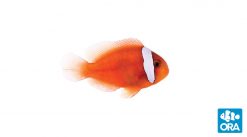
The ORA Barberi Clownfish (Amphiprion barberi) is a hardy, vibrant choice for marine aquarists seeking color, resilience, and sustainability. Captive-bred exclusively by Oceans, Reefs & Aquariums (ORA), this species adapts easily to home aquariums and thrives in reef environments without requiring a host anemone. Known for its bright reddish-orange body and clean white head bar, it’s a visually striking addition ideal for both new and experienced reef keepers. ORA’s decades of captive-breeding expertise ensure strong health, reduced aggression, and natural disease resistance—key reasons hobbyists trust ORA-bred fish for long-term success.
Key Facts
| Specification | Details |
|---|---|
| Scientific Name | Amphiprion barberi |
| Family | Pomacentridae |
| Origin | Fiji, Samoa, Tonga |
| Max Size | 4 inches |
| Purchase Size | 1–2 inches |
| Lifespan | Up to 10 years |
| Care Level | Easy |
| Minimum Tank Size | 30 gallons |
| Temperament | Semi-aggressive |
| Reef Safe | Yes |
| Diet | Omnivore; pellets, flakes, mysis shrimp, brine shrimp |
| Temperature | 74–80°F |
| pH Range | 8.0–8.4 |
| Salinity | 1.020–1.025 |
Appearance
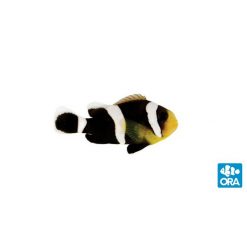
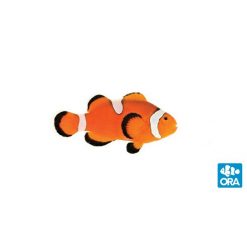
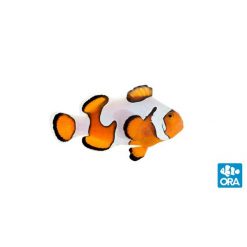
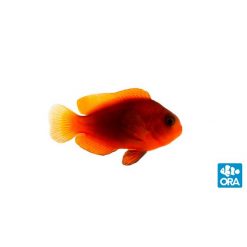
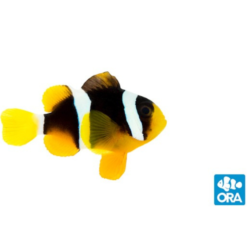
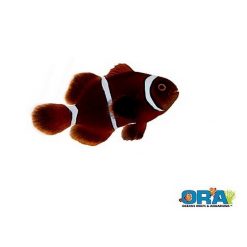
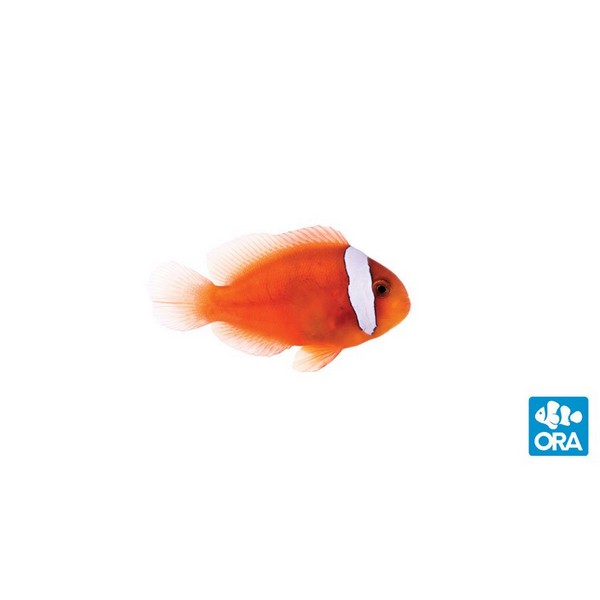
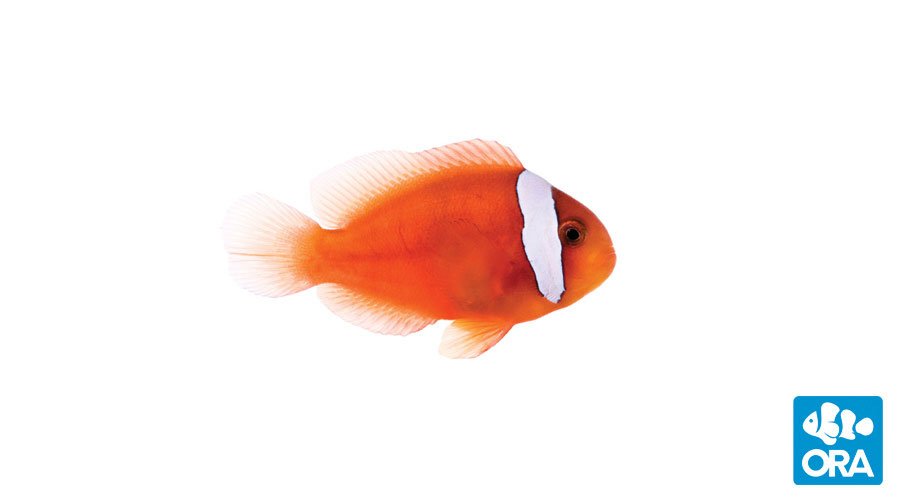
The ORA Barberi Clownfish displays a bright orange-red body with a crisp white bar just behind the head. Unlike similar species, it lacks black edging around the fins, creating a clean, uniform look. Juveniles are vivid orange, while adults deepen in color slightly as they mature.
Care & Requirements
This species is hardy and well-suited for aquarists of all experience levels. It thrives in tanks of 30 gallons or larger, with stable water quality and moderate flow. Although it may host an anemone, it adapts well without one. The ORA Barberi Clownfish accepts a varied omnivorous diet, including flakes, pellets, mysis, and frozen brine shrimp. Provide live rock for cover and grazing, and feed twice daily to maintain vibrant coloration and energy.
How hardy is the ORA Barberi Clownfish?
Extremely hardy—captive-bred ORA specimens adapt quickly to aquarium life and resist common marine diseases.
Does this species need an anemone?
No, it thrives without one but may host a Bubble Tip Anemone if available.
What’s the best tank size for a pair?
A bonded pair does well in tanks of 30 gallons or larger with ample rockwork.
Tank Mates & Compatibility
The ORA Barberi Clownfish is semi-aggressive, particularly toward other clownfish species. It pairs well with gobies, wrasses, blennies, and peaceful reef fish. Avoid housing with other territorial clownfish or aggressive damselfish. They coexist peacefully with corals and invertebrates, making them excellent for reef aquariums.
Can ORA Barberi Clownfish live with other clownfish?
Only if introduced as a bonded pair—mixing species often causes aggression.
Are they reef safe with corals?
Yes, completely reef safe and non-destructive to coral tissue.
Do they harm shrimp or snails?
No, they are peaceful toward most invertebrates.
Aquaculture/Availability
ORA is the exclusive captive breeder of the Barberi Clownfish. These fish are raised in controlled, sustainable aquaculture environments to reduce wild collection. Captive-bred specimens are consistently available through ORA’s breeding program, known for producing strong, disease-resistant marine species.
Is the ORA Barberi Clownfish always captive-bred?
Yes, all ORA Barberi Clownfish are 100% aquacultured.
What makes ORA captive breeding different?
ORA raises its fish from egg to juvenile in marine systems, ensuring stable health and adaptation to aquarium life.
Why choose captive-bred over wild-caught?
Captive-bred fish adapt faster, are less stressed, and help conserve wild populations.
Why Buy From Oceansgarden.com
- Captive-Bred & Sustainable: Many of our fish and invertebrates are captive-bred or sustainably sourced to promote healthy reef ecosystems.
- Expert Care Before Shipping: Every animal is maintained under professional aquarium standards for health, diet, and water quality.
- Live Arrival Guarantee: We stand behind each shipment with a Live Arrival Guarantee for your peace of mind.
- Fast, Reliable Shipping: Orders are packed with proven methods and shipped overnight to ensure safe arrival.
- Transparent Policies: Clear shipping, refund, and guarantee information available on every order page.
- Trusted by Hobbyists: Backed by years of experience and thousands of satisfied marine aquarium keepers across the U.S.
FAQ
How long does the ORA Barberi Clownfish live in captivity?
With proper care, this species can live up to 8–10 years, especially in stable reef aquariums with consistent feeding and water quality.
What should I feed my ORA Barberi Clownfish?
Offer a mixed diet of marine pellets, mysis shrimp, and frozen brine shrimp. Variety supports color vibrancy and immune health.
Can I keep multiple pairs in one tank?
Only in very large aquariums (over 75 gallons). In smaller setups, one bonded pair is best to prevent dominance issues.
Do they host anemones naturally?
In the wild, Amphiprion barberi associates with Entacmaea quadricolor (Bubble Tip Anemone), but captive-bred individuals adapt fine without one.
Is this species good for beginner marine keepers?
Yes. Their tolerance, adaptability, and captive breeding make them ideal for new saltwater aquarists.
Are ORA Barberi Clownfish reef safe with SPS or LPS corals?
Yes, they coexist peacefully with both SPS and LPS corals without disturbing polyps or tissue.
Do captive-bred clownfish change gender like wild ones?
Yes. Like all clownfish, the larger fish in a pair becomes female, while the smaller remains male.
Can I keep them in a nano reef?
A single specimen can be kept in tanks no smaller than 20 gallons, provided good filtration and swimming space.
What distinguishes the Barberi from Tomato or Cinnamon Clownfish?
It lacks the dark fin edges and has a brighter uniform red coloration, distinguishing it from similar Amphiprion species.
How do ORA fish contribute to sustainability?
By breeding in captivity, ORA reduces wild collection pressure and promotes environmentally responsible aquaculture practices.
| size | 1.5-2 inches |
|---|
Related products