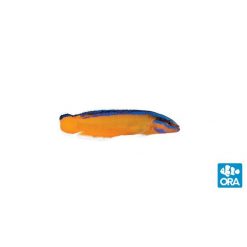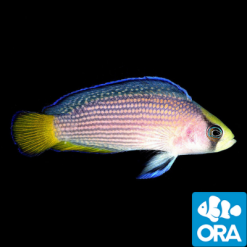
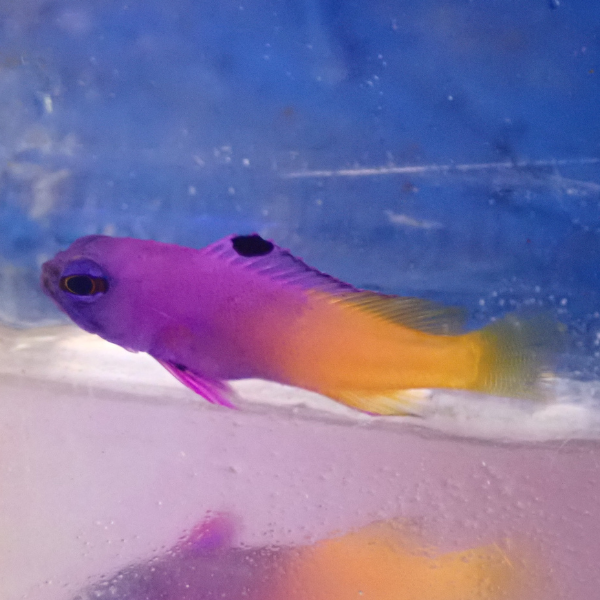
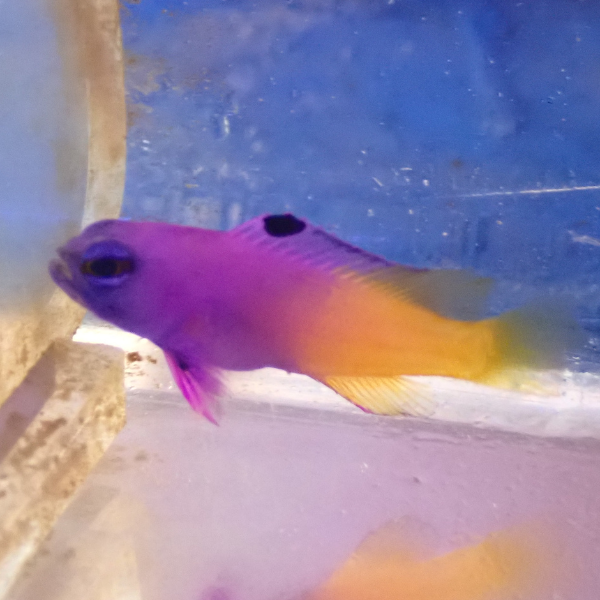
ORA Brazilian Royal Gramma Captive Bred for Sale
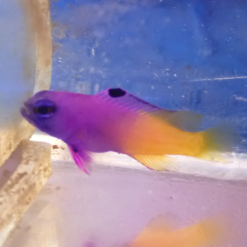
The ORA Brazilian Royal Gramma Captive Bred (Gramma brasiliensis) is a rare, sustainably aquacultured saltwater basslet known for its brilliant violet-to-yellow color gradient and peaceful reef-safe nature. As a captive-bred specimen from ORA, this fish combines vibrant beauty with remarkable hardiness, adapting easily to aquarium life and feeding readily on prepared foods. Its distinctive larger mouth and smaller adult size compared to its Caribbean relative make it an ideal choice for both new and seasoned reef keepers looking for a hardy, ethically sourced marine fish. With limited availability, this sought-after ORA strain offers an exceptional balance of color, resilience, and sustainability.
Key Facts
| Specification | Details |
|---|---|
| Scientific Name | Gramma brasiliensis |
| Family | Grammatidae |
| Origin | Western Atlantic (Brazil) |
| Max Size | 2.6 inches |
| Purchase Size | Up to 1 inch |
| Lifespan | 5–7 years |
| Care Level | Easy |
| Minimum Tank Size | 15 gallons |
| Temperament | Peaceful, semi-territorial with own kind |
| Reef Safe | Yes |
| Diet | Carnivore – frozen mysis, brine shrimp, finely chopped seafood |
| Temperature | 75–80°F (24–27°C) |
| pH Range | 8.1–8.4 |
| Salinity | 1.020–1.025 |
Appearance
The ORA Brazilian Royal Gramma displays a vivid gradient that transitions smoothly from deep violet at the head to golden-yellow near the tail. Compared to its Caribbean cousin, the Brazilian species has a larger mouth and subtler transition between hues, giving it a balanced, luminous appearance under reef lighting.
Care & Requirements
This species thrives in a well-established aquarium with rockwork, caves, and crevices that allow it to claim a territory and retreat when necessary. It prefers moderate lighting and stable reef parameters. As a carnivore, it benefits from a varied diet of frozen mysis, brine shrimp, and finely minced marine meats offered once or twice daily. Maintain a temperature between 75–80°F, salinity of 1.020–1.025, and pH of 8.1–8.4. Ensure low nitrates and ample oxygenation for long-term health.
- Is the ORA Brazilian Royal Gramma good for beginners?
Yes. Its captive-bred origin and adaptability make it an excellent first marine fish. - How large of a tank does it need?
A single specimen can thrive in as little as 15 gallons with proper rockwork and hiding areas. - What should I feed it?
Offer frozen mysis, brine shrimp, and high-quality carnivore pellets or marine meats.
Tank Mates & Compatibility
The ORA Brazilian Royal Gramma coexists peacefully with reef-safe community fish such as clownfish, gobies, and blennies. Avoid housing multiple Gramma species together in small tanks, as territorial disputes may occur. This fish is completely reef-safe and will not harm corals or invertebrates.
- Can I keep two Brazilian Royal Grammas together?
Only in larger tanks (30+ gallons) with ample rockwork for territory separation. - Are they compatible with clownfish?
Yes, they make excellent tank mates in peaceful reef systems. - Will it bother shrimp or snails?
No, they are safe with most ornamental invertebrates.
Aquaculture/Availability
ORA’s aquacultured Brazilian Royal Gramma specimens are sustainably bred in controlled environments, making them hardier and more disease-resistant than wild-caught fish. They adapt quickly to aquarium conditions and accept prepared foods with ease. Currently, captive-bred specimens are not widely available, and most trade relies on ORA’s production cycles, which can sell out quickly.
- Why choose captive-bred over wild-caught?
Captive-bred fish are hardier, eco-friendly, and free from wild-collection stress. - Are ORA fish more sustainable?
Yes. ORA’s aquaculture programs reduce pressure on wild populations and support reef conservation. - How often are these available?
Supply varies seasonally; check stock regularly as they sell out fast.
Why Buy From Oceansgarden.com
- Captive-Bred & Sustainable: Many of our fish and invertebrates are captive-bred or sustainably sourced to promote healthy reef ecosystems.
- Expert Care Before Shipping: Every animal is maintained under professional aquarium standards for health, diet, and water quality.
- Live Arrival Guarantee: We stand behind each shipment with a Live Arrival Guarantee for your peace of mind.
- Fast, Reliable Shipping: Orders are packed with proven methods and shipped overnight to ensure safe arrival.
- Transparent Policies: Clear shipping, refund, and guarantee information available on every order page.
- Trusted by Hobbyists: Backed by years of experience and thousands of satisfied marine aquarium keepers across the U.S.
FAQ
What makes the Brazilian Royal Gramma different from the Caribbean species?
The Brazilian Royal Gramma (Gramma brasiliensis) has a larger mouth, smaller adult size, and smoother violet-to-yellow color gradient than the Caribbean Gramma loreto. It’s also less commonly available and exclusively captive-bred through ORA’s programs.
How long does a Brazilian Royal Gramma live in captivity?
With proper water quality, diet, and stress-free conditions, this fish can live between 5 and 7 years, sometimes longer in established reef tanks.
Do they need hiding places or caves?
Yes. They prefer rocky crevices or caves where they can claim territory and retreat, which reduces stress and aggression.
Are ORA Brazilian Royal Grammas reef-safe?
Completely. They are peaceful with corals and invertebrates, making them ideal for mixed reef setups.
Can they be housed with other basslets?
Only in larger systems over 30 gallons with plenty of rockwork to create visual barriers and territories.
Do they require special lighting?
No, they adapt well to standard reef lighting but display their best colors under moderate to high spectrum LEDs.
What’s the best feeding schedule?
Feed once or twice daily in small portions, alternating between frozen mysis, brine shrimp, and marine pellets.
How do I acclimate them properly?
Use a drip acclimation method over 30–45 minutes to match salinity and temperature gradually, reducing stress and ensuring smooth transition.
| size | under 1 inch |
|---|
Related products