ORA Caramel Misbar Clownfish Captive-Bred for Sale
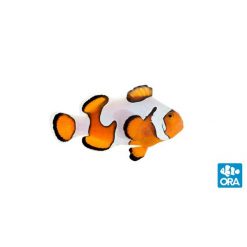
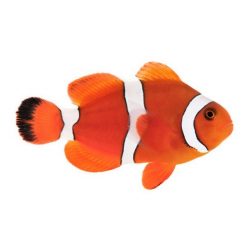
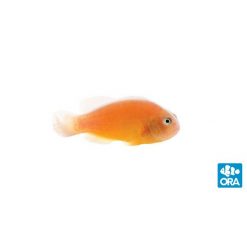
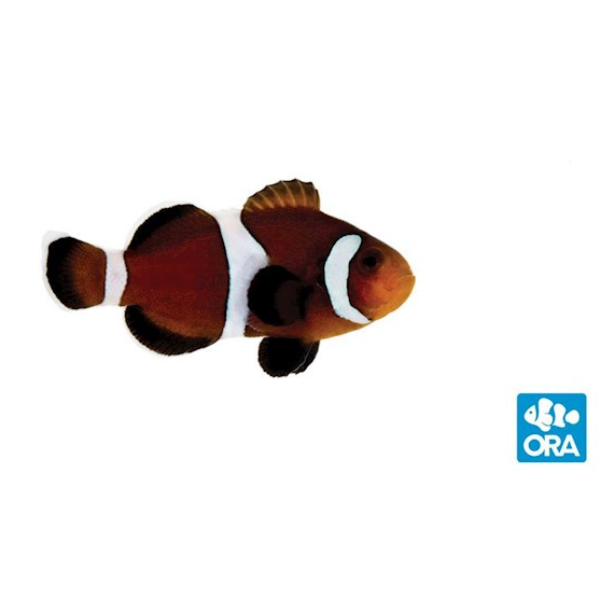
The ORA Caramel Misbar Clownfish (Amphiprion ocellaris) is a captive-bred variety known for its caramel-orange to brown body and uniquely broken white stripes that may darken as the fish matures. Hardy, peaceful, and reef-safe, this clownfish thrives in both beginner and advanced aquariums, adapting easily to prepared diets and tank life. Unlike wild-caught clownfish, ORA’s captive-bred line offers greater disease resistance and higher survival rates, making them a trusted choice for sustainable marine aquaculture.
Key Facts
| Specification | Details |
|---|---|
| Scientific Name | Amphiprion ocellaris |
| Family | Pomacentridae |
| Origin | Captive-bred, ORA (Oceans, Reefs & Aquariums) |
| Max Size | 3 inches |
| Purchase Size | 1 – 3 inches |
| Lifespan | 6–10 years |
| Care Level | Easy |
| Minimum Tank Size | 15–20 gallons |
| Temperament | Peaceful, may show mild territorial behavior |
| Reef Safe | Yes |
| Diet | Omnivore; pellets, flakes, frozen foods |
| Temperature | 75–82°F |
| pH Range | 8.1–8.4 |
| Salinity | 1.020–1.026 |
Appearance
This clownfish has a caramel-orange to brown base color with broken or incomplete white stripes across the body. The misbar pattern varies, with stripes often disconnected or irregular, ensuring no two individuals look exactly alike. Over time, some may darken, gaining a deeper hue as they mature.
Care & Requirements
The ORA Caramel Misbar Clownfish is an excellent choice for aquarists of all levels. A minimum tank size of 15–20 gallons is recommended for single clownfish, and 30-40 gallons for a pair, with stable water parameters between 75–82°F, pH 8.1–8.4, and salinity of 1.020–1.026. Though not dependent on anemones for survival, they may naturally host in Bubble Tip Anemones or certain soft corals when available.
Are ORA Caramel Misbar Clownfish reef safe?
Yes, they are fully reef safe and coexist well with corals.
How fast do they grow?
They reach their full adult size of about 3 inches within 12–18 months under proper feeding.
Do they require an anemone to survive?
No, they adapt well without one, though they may host if provided.
Behavior & Feeding
These clownfish are peaceful but may show mild territorial behavior when defending a host. They can be kept singly or in pairs, but pairs do best when one fish is larger to establish a natural dominance hierarchy. Feeding is straightforward: they readily accept pellets, flakes, and frozen foods such as mysis shrimp. For the best coloration, offer a varied, high-quality diet enriched with marine proteins.
Can they live in groups?
Yes, but larger groups require big tanks to avoid dominance disputes.
Does food type affect their color?
Yes, high-quality diets with marine proteins enhance their natural caramel-orange coloration.
Tank Mates & Compatibility
This clownfish pairs well with other community-safe marine species such as gobies, blennies, cardinalfish, and smaller wrasses. Avoid housing them with large predatory fish or highly aggressive species, as this can create stress and territorial disputes.
Will they fight with other clownfish types?
Mixing different clownfish species can lead to aggression and should generally be avoided.
Do they nip at corals?
No, ORA Caramel Misbar Clownfish are reef safe and will not damage corals.
Aquaculture/Availability
ORA has led the marine ornamental aquaculture industry for decades, and the Caramel Misbar Clownfish is consistently captive-bred. This means they are more resilient, adapt better to aquarium life, and support sustainable practices by reducing demand for wild-caught specimens. Availability can fluctuate depending on breeding cycles, so securing them while in stock is recommended.
Are ORA Caramel Misbar Clownfish always captive-bred?
Yes, all ORA Caramel Misbar Clownfish offered are captive-bred.
Why choose captive-bred over wild-caught?
They are hardier, more disease-resistant, and already acclimated to aquarium diets.
Are they rare in the hobby?
They are less common than standard Ocellaris but are regularly bred and available through ORA’s program.
Why Buy From Oceansgarden.com
- Captive-Bred & Sustainable: Many of our fish and invertebrates are captive-bred or sustainably sourced to promote healthy reef ecosystems.
- Expert Care Before Shipping: Every animal is maintained under professional aquarium standards for health, diet, and water quality.
- Live Arrival Guarantee: We stand behind each shipment with a Live Arrival Guarantee for your peace of mind.
- Fast, Reliable Shipping: Orders are packed with proven methods and shipped overnight to ensure safe arrival.
- Transparent Policies: Clear shipping, refund, and guarantee information available on every order page.
- Trusted by Hobbyists: Backed by years of experience and thousands of satisfied marine aquarium keepers across the U.S.
FAQ
How long do ORA Caramel Misbar Clownfish live in captivity?
With proper care, stable water conditions, and a balanced diet, these clownfish can live 6–10 years in a home aquarium.
Can ORA Caramel Misbar Clownfish be paired with anemones other than Bubble Tip?
Yes, they may also accept other anemones such as Sebae or Carpet Anemones, though compatibility can vary.
What is the ideal number of Caramel Misbar Clownfish per tank?
For tanks under 30 gallons, a single fish or a bonded pair is best. Larger aquariums of 55+ gallons may support a small group if added carefully.
How do stripe variations develop in misbar clownfish?
Stripe breaks and irregularities occur naturally during development and are a genetic trait. No two fish have identical markings.
Do ORA Caramel Misbar Clownfish change color as they age?
Yes, some individuals darken to a deeper orange or brown tone as they mature, though patterns remain stable.
What do ORA Caramel Misbar Clownfish eat in captivity?
They accept pellets, flakes, and frozen foods, with mysis shrimp and enriched brine shrimp being excellent staples for growth and coloration.
How aggressive are they compared to other clownfish?
They are among the most peaceful clownfish varieties, though minor territorial behavior can occur when breeding or defending a host.
Can they live with cleaner shrimp and invertebrates?
Yes, they are fully compatible with cleaner shrimp, snails, and other peaceful invertebrates.
| size | 1-3 inches |
|---|
Related products