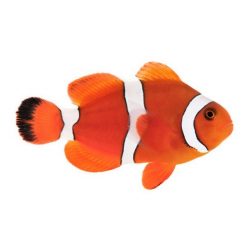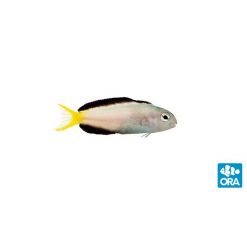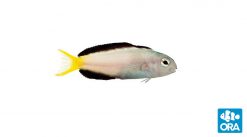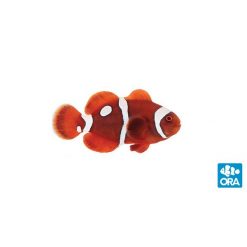
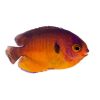
ORA Chalk Basslet Captive Bred for Sale
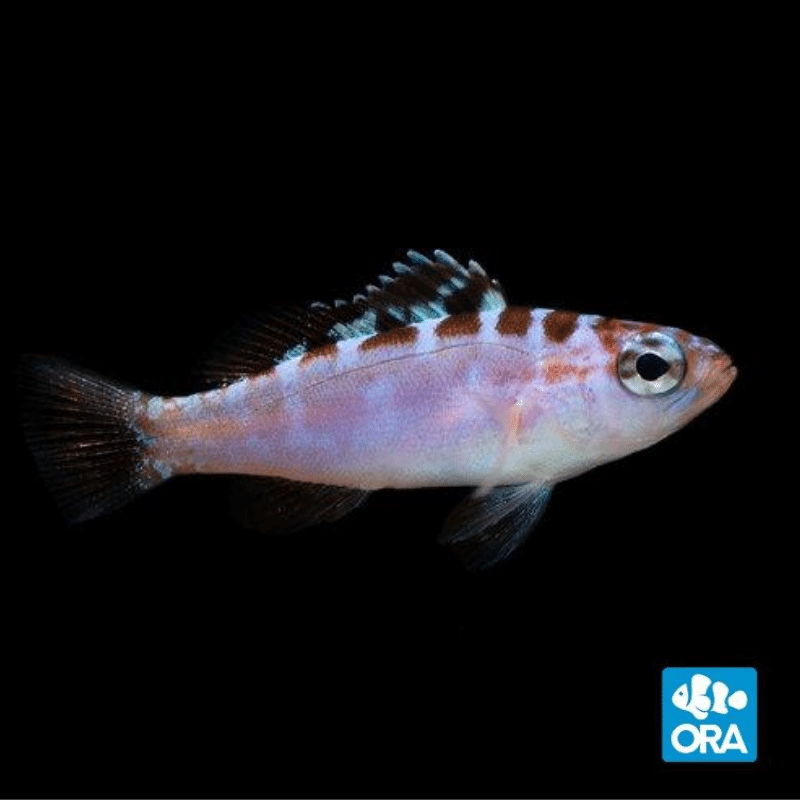
The ORA Chalk Basslet Captive Bred (Serranus tortugarum) is a hardy, peaceful reef-safe fish perfect for community aquariums. This small, colorful species thrives in marine setups with live rock and stable water conditions. Known for its resilience and striking blue-gray stripes over a reddish body, it adapts easily to aquarium life while displaying a confident but non-aggressive personality. Captive-bred by ORA and trusted by aquarists for reliability and health, these basslets offer a sustainable alternative to wild-caught specimens, with fewer disease risks and higher adaptability. They’re ideal for beginners seeking a vibrant, low-maintenance reef fish backed by ORA’s trusted aquaculture program.
Key Facts
| Specification | Details |
|---|---|
| Scientific Name | Serranus tortugarum |
| Family | Serranidae |
| Origin | Caribbean Sea |
| Maximum Size | 4 inches |
| Purchase Size | Up to 1 inch |
| Lifespan | Up to 8 years |
| Care Level | Easy |
| Minimum Tank Size | 40 gallons |
| Temperament | Peaceful, semi-social |
| Reef Safe | Yes |
| Diet | Carnivore (mysis, brine, pellets) |
| Temperature | 75–78°F |
| pH Range | 8.1–8.4 |
| Salinity | 1.020–1.026 |
Appearance
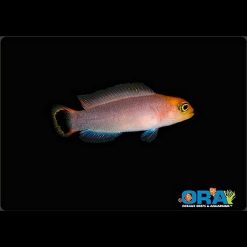
The ORA Chalk Basslet displays a pearly blue to pinkish-brown body accented with vertical silver and blue-gray stripes. Its coloration shifts subtly under reef lighting, enhancing its natural shimmer. Smaller individuals may appear more reddish, while mature fish develop deeper tones and iridescent highlights.
Care & Requirements
A minimum 40-gallon aquarium is recommended for a single Chalk Basslet. Provide live rock for hiding and territorial boundaries, as these fish prefer small caves and crevices. They thrive in stable marine systems with moderate water flow and consistent parameters (75–78°F, pH 8.1–8.4, salinity 1.020–1.026). Feed a varied carnivorous diet of mysis shrimp, brine shrimp, and high-quality pellets once or twice daily.
These basslets can be kept singly or in small groups introduced simultaneously to reduce aggression. They rarely bother corals or invertebrates but may prey on very small ornamental shrimp.
Can Chalk Basslets be kept in pairs?
Yes, if added at the same time and given space to form territories.
Do they need live food?
Not necessarily—frozen or pellet foods are readily accepted.
Are they suitable for nano tanks?
Only for single specimens in tanks of at least 40 gallons.
Tank Mates & Compatibility
The ORA Chalk Basslet coexists peacefully with most reef-safe fish such as gobies, cardinals, and wrasses. Avoid large predatory species or overly aggressive tank mates. When housed with similar species, ensure simultaneous introduction to prevent territorial disputes. They rarely bother corals and are considered completely reef-safe.
Can Chalk Basslets live with shrimp?
Yes, but larger adults may eat very small ornamental shrimp.
Are Chalk Basslets aggressive toward each other?
Only if added at different times or in cramped tanks.
Can they live with clownfish?
Yes, they are excellent companions for clownfish and small wrasses.
Aquaculture/Availability
The ORA Chalk Basslet Captive Bred is consistently aquacultured by Oceans, Reefs & Aquariums (ORA), ensuring sustainable sourcing and superior health. Captive-bred individuals are hardier, adapt more readily to aquarium life, and pose less risk of introducing parasites or diseases.
Are all ORA Chalk Basslets captive bred?
Yes, all ORA-labeled Chalk Basslets are aquacultured.
How do captive-bred basslets differ from wild-caught?
They adapt faster, eat prepared foods, and are less stressed.
Is this species available year-round?
Availability varies, but ORA maintains regular breeding cycles.
Why Buy From Oceansgarden.com
- Captive-Bred & Sustainable: Many of our fish and invertebrates are captive-bred or sustainably sourced to promote healthy reef ecosystems.
- Expert Care Before Shipping: Every animal is maintained under professional aquarium standards for health, diet, and water quality.
- Live Arrival Guarantee: We stand behind each shipment with a Live Arrival Guarantee for your peace of mind.
- Fast, Reliable Shipping: Orders are packed with proven methods and shipped overnight to ensure safe arrival.
- Transparent Policies: Clear shipping, refund, and guarantee information available on every order page.
- Trusted by Hobbyists: Backed by years of experience and thousands of satisfied marine aquarium keepers across the U.S.
FAQ
How long do ORA Chalk Basslets live in captivity?
With proper care, stable water quality, and a balanced diet, ORA Chalk Basslets typically live 6–8 years in home aquariums.
What do ORA Chalk Basslets eat?
They are carnivores that thrive on mysis shrimp, enriched brine shrimp, and small marine pellets. Offering a mix of frozen and dry foods keeps them healthy and enhances coloration.
Are Chalk Basslets suitable for beginners?
Yes. Their small size, peaceful temperament, and disease resistance make them an excellent choice for first-time saltwater hobbyists.
How can I tell if my Chalk Basslet is healthy?
Look for steady swimming, bright coloration, regular feeding behavior, and no visible spots or fin damage.
Do Chalk Basslets need hiding spots?
Yes. They appreciate rockwork and caves where they can retreat. This reduces stress and supports natural behavior.
Can multiple Chalk Basslets be kept together?
Yes, but they should be added simultaneously to prevent territorial aggression. A larger tank allows stable group hierarchies.
Are they reef safe with corals?
Completely. ORA Chalk Basslets do not pick at or damage coral tissue, making them safe for mixed reefs.
What’s the ideal tank setup for them?
A reef tank with moderate flow, live rock structures, and stable temperature (75–78°F). Keep salinity around 1.023 for best results.
Do they jump?
They can, particularly when newly introduced—use a tight-fitting lid to prevent escapes.
Are captive-bred Chalk Basslets hardier than wild ones?
Yes. ORA’s aquacultured fish are more disease-resistant, accustomed to aquarium foods, and better adapted to captive environments.
| size | under 1 inch |
|---|
Related products