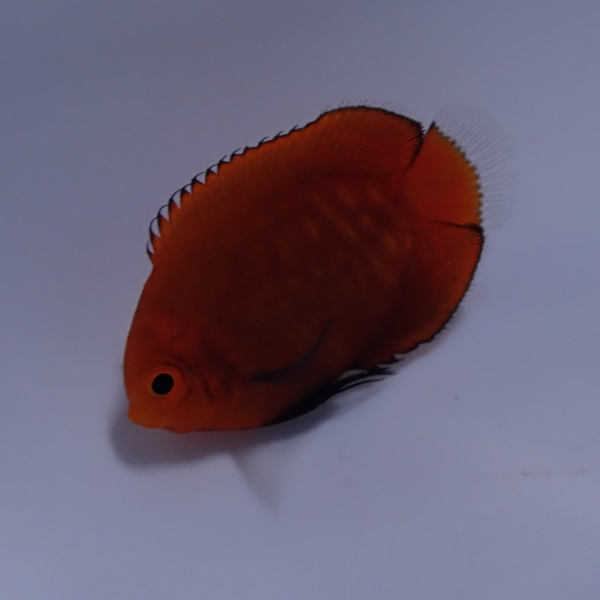
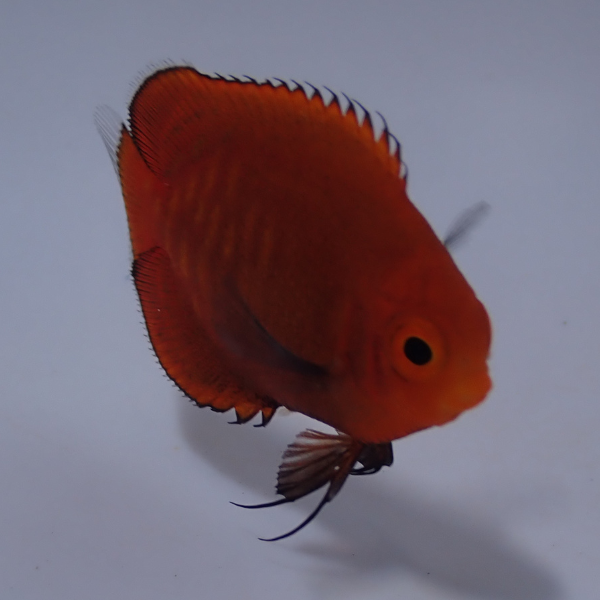
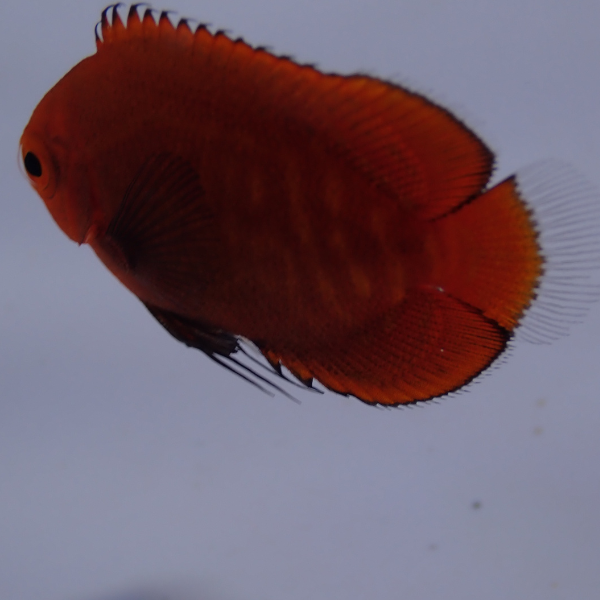

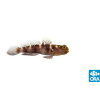
ORA Golden Angelfish Captive Bred for Sale
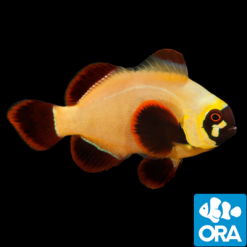
The ORA Golden Angelfish Captive Bred is a prized dwarf angelfish for saltwater aquariums, valued for its adaptability, resilience, and vivid orange-red coloration. Bred by ORA (Oceans, Reefs & Aquariums), this aquacultured specimen thrives in stable reef environments and adapts quickly to prepared foods—unlike wild-caught golden angels that often struggle to adjust. Limited batches make this species highly sought-after among marine aquarists who value sustainable, disease-resistant livestock. Each captive-bred fish supports reef-friendly aquaculture while offering dependable coloration and temperament in established marine systems.
Key Facts
| Specification | Details |
|---|---|
| Scientific Name | Centropyge aurantia |
| Family | Pomacanthidae |
| Origin | Captive bred by ORA (Oceans, Reefs & Aquariums) |
| Maximum Size | Up to 4 inches |
| Purchase Size | .5–2.5 inches |
| Lifespan | 5–7 years in stable aquarium conditions |
| Care Level | Moderate |
| Minimum Tank Size | 55 gallons |
| Temperament | Semi-aggressive; territorial toward other dwarf angels |
| Reef Safe | Semi-reef safe (may nip at fleshy LPS or clam mantles) |
| Diet | Omnivore; accepts pellets, frozen mysis, marine algae |
| Temperature | 72–78°F |
| pH Range | 8.1–8.4 |
| Salinity | 1.020–1.025 sg |
Appearance
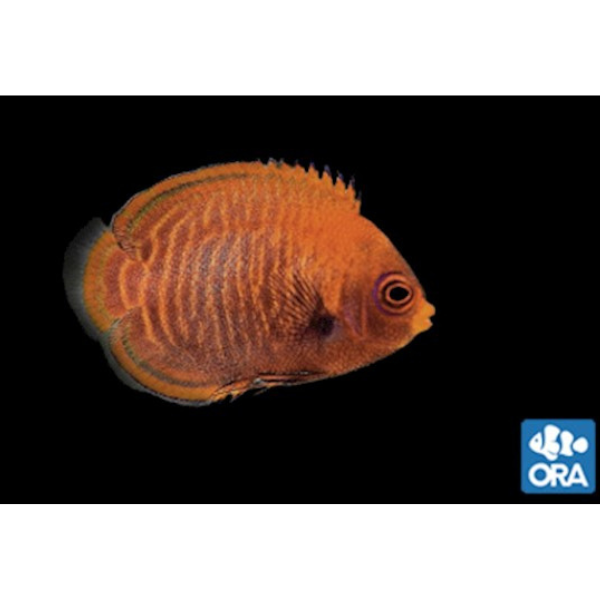
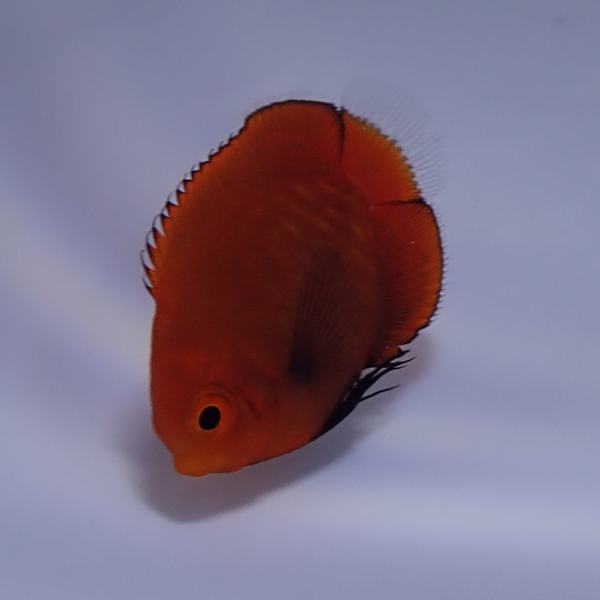
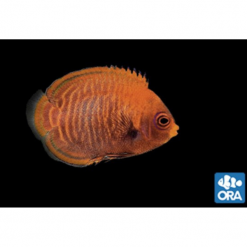
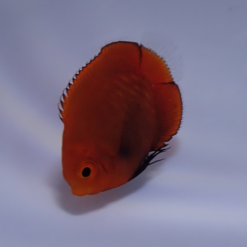
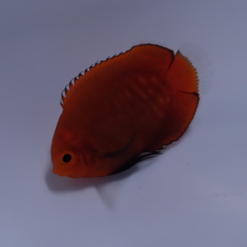
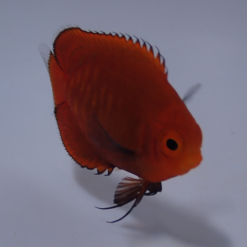
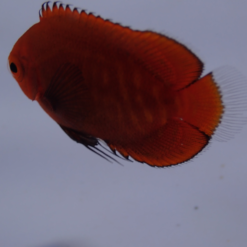
The ORA Golden Angelfish displays a rich orange-red body accented by vertical golden bands, with subtle blue edging along the fins. Its compact, oval body and iridescent finish make it a standout centerpiece in small to mid-sized reef aquariums. Color intensity deepens with high-quality nutrition and stable water chemistry.
Care & Requirements
The ORA Golden Angelfish requires a mature saltwater aquarium with stable parameters and abundant live rock for grazing and shelter. A 55 gallon setup provides enough space to minimize territorial behavior. Maintain temperature between 72–78°F and salinity near 1.025 for optimal health. Feed a mixed omnivorous diet of marine pellets, mysis shrimp, and algae-based foods. Captive-bred specimens adapt rapidly to pellet diets, easing acclimation compared to wild-caught fish.
Because of their territorial instincts, introduce the ORA Golden Angelfish last in community tanks and avoid mixing with other Centropyge species. Provide hiding areas and feed consistently to deter coral nipping.
How often should I feed the ORA Golden Angelfish?
Feed 2–3 small meals daily to sustain color and reduce aggression.
Can it live in a reef tank?
Yes, but monitor around fleshy LPS and clams.
Do captive-bred angelfish eat pellets?
Yes, they readily accept pelletized foods from hatchery conditioning.
Tank Mates & Compatibility
The ORA Golden Angelfish thrives with peaceful species such as gobies, wrasses, blennies, and tangs. Avoid pairing with other dwarf angels unless in systems over 100 gallons with defined territories. Introduce after calmer species to maintain social balance.
What fish are compatible with a Golden Angelfish?
Clownfish, chromis, and peaceful gobies are ideal companions.
Can I keep more than one Golden Angelfish?
Only in tanks over 100 gallons with abundant rockwork.
Will tangs or wrasses cause issues?
No, they typically coexist peacefully when space is adequate.
Aquaculture/Availability
ORA breeds the Golden Angelfish in limited numbers due to its complex breeding cycle. These fish are released in small, high-demand batches and often sell out quickly. Captive-bred specimens are more disease-resistant, adapt easily to aquarium life, and represent an environmentally responsible choice.
Currently, captive-bred specimens are available intermittently depending on hatchery production.
Is every ORA Golden Angelfish captive-bred?
Yes, all are raised through controlled aquaculture.
Why are they limited in availability?
Breeding is slow, and demand exceeds supply.
Are captive-bred fish better for new aquarists?
Yes, they’re hardier and feed more reliably than wild-caught fish.
Why Buy From Oceansgarden.com
- Captive-Bred & Sustainable: Many of our fish and invertebrates are captive-bred or sustainably sourced to promote healthy reef ecosystems.
- Expert Care Before Shipping: Every animal is maintained under professional aquarium standards for health, diet, and water quality.
- Live Arrival Guarantee: We stand behind each shipment with a Live Arrival Guarantee for your peace of mind.
- Fast, Reliable Shipping: Orders are packed with proven methods and shipped overnight to ensure safe arrival.
- Transparent Policies: Clear shipping, refund, and guarantee information available on every order page.
- Trusted by Hobbyists: Backed by years of experience and thousands of satisfied marine aquarium keepers across the U.S.
FAQ
Is the ORA Golden Angelfish reef safe?
It is semi-reef safe—occasional nipping at LPS or clam mantles can occur but is reduced with frequent feeding.
How big does a Golden Angelfish grow?
Adults reach up to 4 inches. Growth depends on diet and stable water conditions.
What is the best tank setup?
Provide 55–70 gallons, live rock caves, moderate flow, and balanced lighting to mimic natural reef conditions.
What should I feed them?
Offer pellets, mysis shrimp, algae-based foods, and angelfish preparations. Captive-bred fish adapt easily to prepared diets.
How long do they live?
They typically live 5–7 years or longer with stable care and good nutrition.
Can I keep one in a nano tank?
No, a minimum of 55 gallons is required due to territorial behavior.
Do they change color with age?
Yes, juveniles deepen in color as they mature under proper diet and lighting.
Are ORA fish sustainable?
Yes, ORA’s aquaculture program reduces wild collection and supports reef conservation.
What indicates stress?
Pale color, hiding, or loss of appetite may indicate poor water conditions or aggression.
Can they coexist with other dwarf angels?
Only in tanks exceeding 100 gallons with distinct rockwork and territories.
| size | .5-2 inches |
|---|
Related products