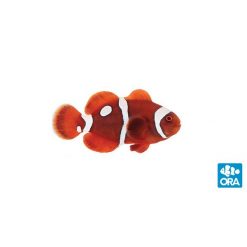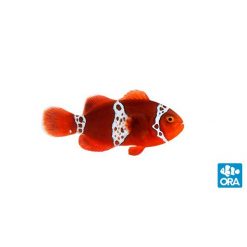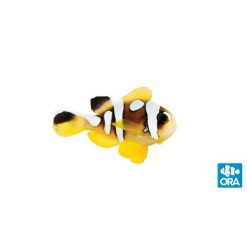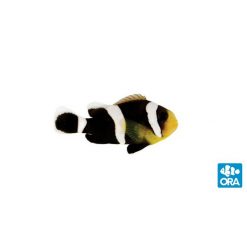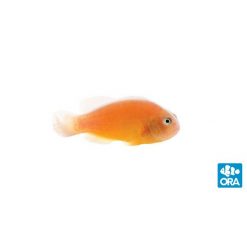
ORA LongFin Assorted Clownfish Captive-Bred for Sale
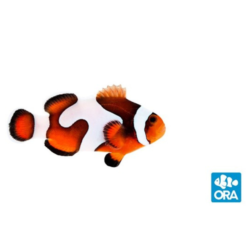
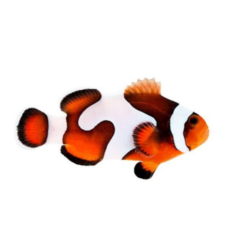
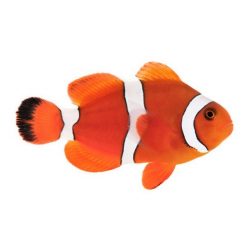
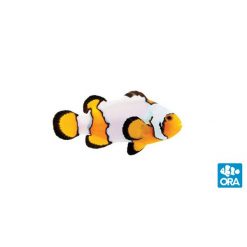
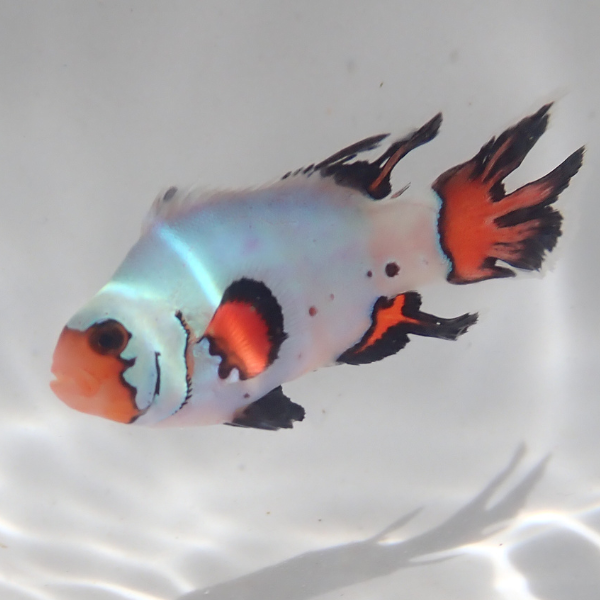
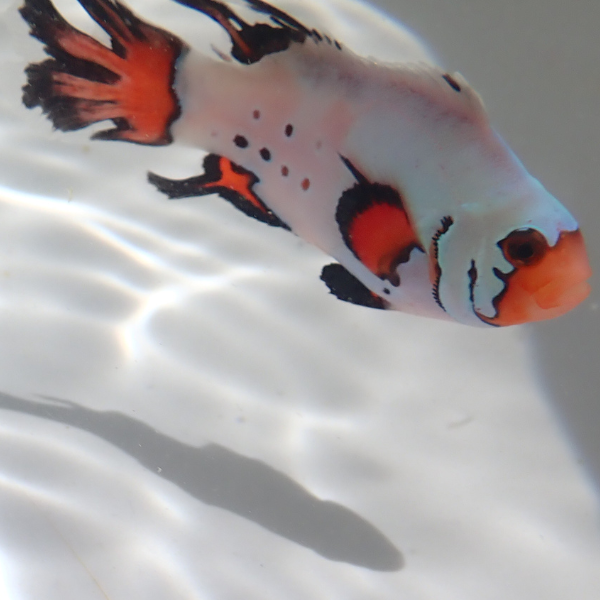
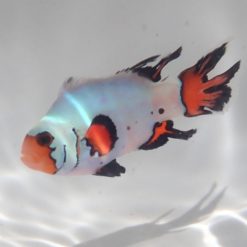
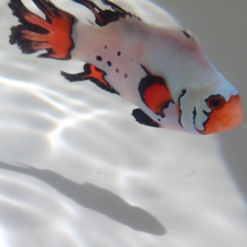
The ORA LongFin Assorted Clownfish Captive-Bred (Amphiprion ocellaris) brings vivid orange and white coloration with distinct long, flowing fins that make it one of the most elegant designer clownfish available. Bred by Oceans, Reefs & Aquariums (ORA), each specimen is aquacultured for superior health, hardiness, and adaptability. These fish are reef-safe, peaceful, and thrive in a variety of saltwater aquarium setups—ideal for both new and experienced hobbyists. Unlike wild-caught clownfish, captive-bred ORA varieties are disease-resistant, environmentally sustainable, and quick to accept prepared foods. Their gentle temperament and long fins make them an appealing addition to community tanks or coral displays.
Captive breeding by ORA ensures consistent quality, coloration, and survival rates that outperform wild-caught clownfish. Each “assorted” LongFin variant features unique stripe patterns, making every fish one-of-a-kind. Because availability is often limited, these designer clownfish are highly sought after by collectors and reef enthusiasts alike.
Key Facts
| Specification | Details |
|---|---|
| Scientific Name | Amphiprion ocellaris |
| Family | Pomacentridae |
| Origin | Captive-bred (ORA, USA) |
| Max Size | 3 inches |
| Purchase Size | Up to 2 inches |
| Lifespan | 8–12 years |
| Care Level | Easy |
| Minimum Tank Size | 15 gallons (single) |
| Temperament | Peaceful to semi-aggressive |
| Reef Safe | Yes |
| Diet | Omnivore – pellets, flakes, frozen mysis, and brine shrimp |
| Temperature | 75–82°F |
| pH Range | 8.1–8.4 |
| Salinity | 1.020–1.026 specific gravity |
Appearance
The ORA LongFin Assorted Clownfish displays the familiar orange and white pattern of Amphiprion ocellaris, accented by black-edged fins that are noticeably elongated and flow elegantly in the water. The “assorted” designation means each individual may feature slight color or stripe variation, ensuring no two fish look exactly alike.
Care & Requirements
This clownfish is ideal for tanks of 15 gallons or larger. Maintain stable reef conditions with temperatures between 75–82°F and pH levels of 8.1–8.4. Feed a varied omnivorous diet including marine flakes, pellets, and frozen mysis or brine shrimp. ORA LongFin Clownfish adapt easily to captivity and are suitable for both reef and fish-only setups. They can thrive singly, in bonded pairs, or with compatible tank mates.
These clownfish may host with bubble-tip anemones (Entacmaea quadricolor) but can live comfortably without one. Always provide live rock or hiding spots for territory formation.
Do ORA LongFin Clownfish need an anemone?
No, they can thrive without one, though they may naturally host with bubble-tip anemones.
How often should I feed a LongFin Clownfish?
Offer small portions 2–3 times daily for optimal health and coloration.
Are LongFin Clownfish suitable for beginners?
Yes, they are hardy and ideal for first-time marine aquarists.
Tank Mates & Compatibility
ORA LongFin Clownfish are peaceful and reef-safe, pairing well with gobies, blennies, and firefish. Avoid housing them with aggressive species such as large dottybacks or fin-nipping wrasses. When introducing pairs, ensure adequate tank space and structure to minimize territorial disputes.
Can two LongFin Clownfish live together?
Yes, if introduced at the same time or as a bonded pair from a breeder.
What fish should not be kept with LongFin Clownfish?
Avoid aggressive species like triggers or large damsels.
Are they safe with coral and invertebrates?
Yes, ORA LongFins are fully reef-safe and coexist well with most corals and shrimp.
Aquaculture/Availability
The ORA LongFin Assorted Clownfish Captive-Bred is consistently aquacultured by ORA, a leading authority in sustainable marine breeding. These fish are raised in controlled environments, ensuring strong immune systems and minimal stress. Because the “assorted” patterning makes each fish unique, availability can vary by season.
Are all LongFin Clownfish captive-bred?
Yes, ORA exclusively breeds this strain through captive aquaculture.
Why choose captive-bred over wild-caught?
Captive-bred fish are healthier, hardier, and environmentally sustainable.
Is availability limited?
Yes, due to selective breeding, assorted variants often sell out quickly.
Why Buy From Oceansgarden.com
- Captive-Bred & Sustainable: Many of our fish and invertebrates are captive-bred or sustainably sourced to promote healthy reef ecosystems.
- Expert Care Before Shipping: Every animal is maintained under professional aquarium standards for health, diet, and water quality.
- Live Arrival Guarantee: We stand behind each shipment with a Live Arrival Guarantee for your peace of mind.
- Fast, Reliable Shipping: Orders are packed with proven methods and shipped overnight to ensure safe arrival.
- Transparent Policies: Clear shipping, refund, and guarantee information available on every order page.
- Trusted by Hobbyists: Backed by years of experience and thousands of satisfied marine aquarium keepers across the U.S.
FAQ
How big do ORA LongFin Clownfish get?
They typically reach around 3 inches in length. Males are slightly smaller than females, which may develop more dominant behaviors as they mature.
What is the lifespan of a captive-bred ORA clownfish?
With proper care and stable water conditions, they can live 8–12 years, comparable to or longer than wild-caught clownfish.
Are ORA LongFin Clownfish reef safe?
Yes, they are completely reef safe and can be kept with corals, anemones, and most invertebrates without causing damage.
What do ORA clownfish eat?
They readily accept flakes, pellets, and frozen foods such as mysis shrimp or finely chopped seafood. A varied diet enhances color and fin health.
Can I keep more than two clownfish together?
In small tanks, keep only one pair to avoid territorial aggression. In larger setups (50+ gallons), groups may coexist if added simultaneously.
Do LongFin Clownfish change sex?
Yes, like all ocellaris species, the dominant fish in a pair becomes female, while the smaller remains male.
Do they host anemones in captivity?
Many do, especially with bubble-tip or long-tentacle anemones, though some may never adopt one.
How do I acclimate captive-bred clownfish?
Use a slow drip acclimation over 30–45 minutes to adjust to salinity and temperature, minimizing stress.
Are captive-bred clownfish less colorful?
No. ORA selectively breeds for vibrant coloration and consistent patterning that often surpasses wild specimens.
What water parameters do they prefer?
Keep salinity at 1.020–1.026, temperature between 75–82°F, and pH at 8.1–8.4 for optimal health and breeding readiness.
Threadfins will have filamented strands that extend from the tip of the fin/s but don’t connect
Longfins will have a fully connected fin. The patterning on our longfins will appear jagged but are in-tact.
Veilfins will have smooth long flowing fins and what most hobbyists associate with a “longfin clownfish” these use different genetics from our longfin production
| size | up to 2 inches |
|---|
Related products