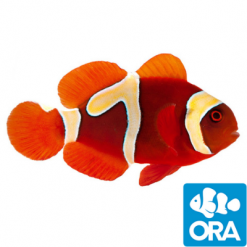
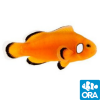
ORA Masked Goby Captive-Bred for Sale
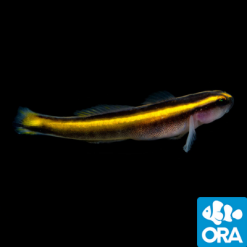
The ORA Masked Goby (Coryphopterus personatus) is a small, peaceful saltwater fish ideal for nano and reef aquariums. Known for its translucent body with red and white markings, this captive-bred species thrives in aquariums as small as 10 gallons. ORA’s aquacultured gobies are hardy, disease-resistant, and well-adjusted to aquarium life, making them a trusted choice for both beginners and experienced reef keepers. Captive-bred fish adapt quickly to prepared foods, helping reduce reliance on wild-caught populations and promoting sustainable marine keeping. Many hobbyists choose the ORA Masked Goby for its calm temperament, compatibility with other peaceful tank mates, and proven ORA quality backed by years of aquaculture expertise.
Key Facts
| Specification | Details |
|---|---|
| Scientific Name | Coryphopterus personatus |
| Family | Gobiidae |
| Origin | Western Atlantic & Caribbean |
| Max Size | 1.5 – 2 inches |
| Purchase Size | 1+ inch |
| Lifespan | Up to 4 years |
| Care Level | Easy |
| Minimum Tank Size | 10 gallons |
| Temperament | Peaceful |
| Reef Safe | Yes |
| Diet | Carnivore – small meaty foods |
| Temperature | 74–78°F |
| pH Range | 8.1–8.4 |
| Salinity | 1.020–1.025 sg |
Appearance
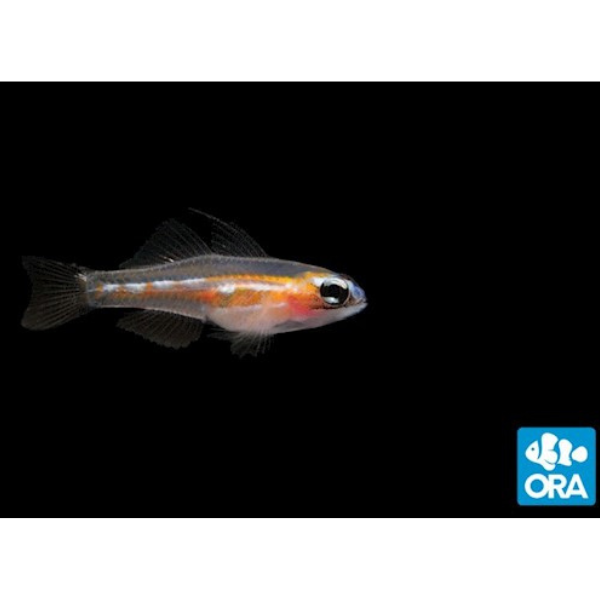
The ORA Masked Goby displays a translucent body accented by red and white lateral markings and a faint dark mask across its face. Adults reach about two inches, while juveniles retain brighter coloration. They often perch on rock ledges during the day and feed midwater at dusk, bringing subtle motion and color to nano reef aquariums.
Care & Requirements
Masked Gobies prefer aquariums with live rock, small caves, and gentle flow where they can rest between open-water swims. A 10-gallon tank is sufficient for a pair or small group, but larger setups offer more stability. They thrive on fine meaty foods like brine shrimp, mysis shrimp, copepods, and micro pellets under 3mm. Stable reef parameters—temperature 74–78°F, pH 8.1–8.4, salinity 1.020–1.025—are essential for long-term health. Captive-bred ORA specimens adapt easily to pellet diets and are less prone to stress than wild-caught fish.
Can Masked Gobies live in a nano aquarium?
Yes, they thrive in tanks as small as 10 gallons when provided with rockwork and hiding areas.
Do Masked Gobies eat prepared foods?
They readily accept pellets and frozen fare such as mysis or brine shrimp.
How long do ORA Masked Gobies live?
With stable conditions, they commonly live 3–4 years in captivity.
Tank Mates & Compatibility
This goby is peaceful and reef-safe, coexisting easily with invertebrates, small gobies, blennies, and non-aggressive reef fish. Avoid housing them with large or predatory tank mates. They can be kept singly, in pairs, or in small bonded groups when adequate space and rock structure are available.
Can multiple Masked Gobies be kept together?
Yes, small groups or pairs are fine if the tank includes multiple hiding areas and is over 30 gallons.
Are they safe with coral and shrimp?
Completely reef-safe; they ignore corals and do not bother ornamental shrimp.
Will they fight other gobies?
Only with similar-shaped species in tight quarters—provide space to prevent competition.
Aquaculture / Availability
ORA consistently produces captive-bred Masked Gobies, ensuring a sustainable and hardy alternative to wild-caught specimens. Each fish is raised in controlled marine systems, conditioned to eat prepared diets, and shipped directly from ORA’s aquaculture facilities. Backed by ORA’s proven expertise, these gobies represent one of the most reliable captive-bred species available for nano and reef setups.
Are all ORA Masked Gobies captive-bred?
Yes, every ORA Masked Goby originates from aquaculture, not wild collection.
Why choose captive-bred over wild-caught?
Captive-bred gobies are disease-free, hardy, and environmentally sustainable.\
Where are ORA Masked Gobies raised?
They are cultured in ORA’s state-of-the-art aquaculture facility in Florida.
Why Buy From Oceansgarden.com
- Captive-Bred & Sustainable: Many of our fish and invertebrates are captive-bred or sustainably sourced to promote healthy reef ecosystems.
- Expert Care Before Shipping: Every animal is maintained under professional aquarium standards for health, diet, and water quality.
- Live Arrival Guarantee: We stand behind each shipment with a Live Arrival Guarantee for your peace of mind.
- Fast, Reliable Shipping: Orders are packed with proven methods and shipped overnight to ensure safe arrival.
- Transparent Policies: Clear shipping, refund, and guarantee information available on every order page.
- Trusted by Hobbyists: Backed by years of experience and thousands of satisfied marine aquarium keepers across the U.S.
FAQ
What tank setup is best for ORA Masked Gobies?
Use a reef-style layout with live rock, sand substrate, and several hiding crevices. Moderate water flow and stable parameters between 74–78°F and pH 8.1–8.4 provide ideal conditions.
Do Masked Gobies form pairs or groups?
Yes, they can form bonded pairs or small groups. Keeping them in groups of three or more encourages natural schooling behavior.
Are ORA Masked Gobies suitable for beginners?
Absolutely. Their small size, peaceful nature, and hardiness make them one of the easiest gobies to maintain in nano or reef tanks.
What do Masked Gobies eat in captivity?
They accept frozen mysis, brine shrimp, copepods, and micro pellets formulated for carnivorous marine fish. Feed small portions twice daily.
How can I tell if a Masked Goby is healthy?
Look for clear eyes, intact fins, and steady swimming. A healthy goby will perch on rocks and respond quickly during feeding.
Can Masked Gobies breed in home aquariums?
While possible, successful breeding requires stable water conditions and a dedicated rearing setup for larvae.
How big do ORA Masked Gobies get?
Most grow to 1.5 inches, with occasional adults reaching 2 inches in larger tanks.
Do they require a sand bed?
No, but they appreciate fine sand and live rock for natural behavior and security.
Can they live alone?
Yes, but they are more active and display natural behavior when kept with other peaceful reef fish.
How do captive-bred gobies support reef conservation?
By choosing aquacultured specimens, you reduce demand for wild collection, helping preserve natural reef ecosystems.
| size | 1 inch + |
|---|
Related products