ORA Misbar Gold Stripe Maroon Clownfish Captive-Bred for Sale
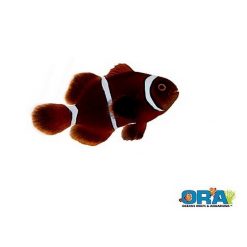
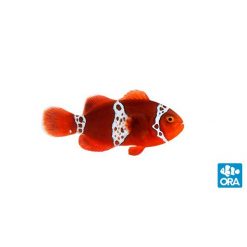
The ORA Misbar Gold Stripe Maroon Clownfish (Premnas biaculeatus) is a captive-bred variant known for its deep maroon coloration and unique, irregular gold striping. Responsibly bred by ORA, this semi-aggressive marine fish combines bold personality with exceptional hardiness. Captive-bred specimens are disease-resistant, more adaptable to aquarium life, and sustainably raised to reduce wild collection. Ideal for aquarists who value both beauty and ethical sourcing, this striking fish is a hardy addition to any reef or fish-only system.
Key Facts
| Specification | Details |
|---|---|
| Scientific Name | Premnas biaculeatus |
| Family | Pomacentridae |
| Origin | Captive-bred (ORA) |
| Max Size | Up to 6 inches |
| Purchase Size | Up to 1.5 inches |
| Lifespan | 5 – 7 years |
| Care Level | Moderate |
| Minimum Tank Size | 30 gallons (single), 50 gallons (pair) |
| Temperament | Semi-aggressive |
| Reef Safe | With caution |
| Diet | Omnivore |
| Temperature | 75 – 78°F |
| pH Range | 7.0 – 8.5 |
| Salinity | 1.020 – 1.026 specific gravity |
Appearance
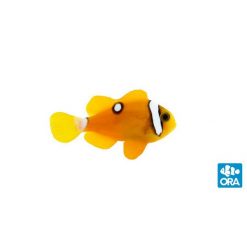
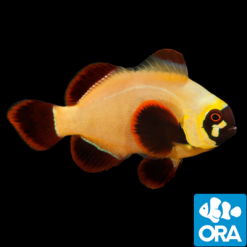
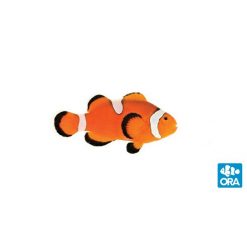
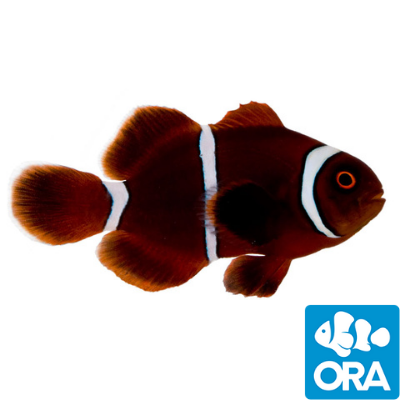
Juvenile ORA Misbar Gold Stripe Maroon Clownfish have bright white bars that gradually turn gold as they mature. The “misbar” pattern creates broken or incomplete stripes, giving each fish a distinctive look. Their body color deepens from vivid red to rich maroon as they age, making them one of the most visually unique clownfish varieties available.
Care & Requirements
Provide a tank of at least 30 gallons for a single fish or 50 gallons for a mated pair to manage territorial behavior. Stable water parameters are crucial, with temperature maintained between 75–78°F and a pH of 7.0–8.5. Ensure adequate rockwork and hiding spaces to define territory boundaries. Though anemones are not required, these clownfish may host a Bubble Tip Anemone (Entacmaea quadricolor) if available.
The ORA Misbar Gold Stripe Maroon Clownfish is an omnivore that thrives on a varied diet of marine flakes, pellets, and frozen foods such as mysis shrimp and brine shrimp. Feed small portions two to three times daily to maintain color and vitality.
- Do they require an anemone?
No, but they often accept Bubble Tip Anemones as a host if one is present. - How often should they be fed?
Two to three small feedings daily are ideal. - Are they suitable for beginners?
Yes, with moderate experience in marine fishkeeping.
Tank Mates & Compatibility
Maroons are known for their territorial nature, especially females. They should not be housed with other clownfish species. Suitable tank mates include semi-aggressive fish such as tangs, wrasses, and dwarf angelfish. To form a pair, introduce a smaller juvenile to an established female, observing for signs of aggression.
- Can they live in a community tank?
Yes, with compatible species that can hold their own. - Do they get along with invertebrates?
Generally reef-safe but may nip at coral if no anemone is present. - How can aggression be reduced?
Provide ample space and structured rockwork to define territories.
Aquaculture/Availability
This species is captive-bred exclusively by ORA, ensuring consistent coloration and behavior while reducing pressure on wild populations. Captive-bred fish are hardier, more adaptable, and less prone to disease compared to wild-caught specimens. Currently, captive-bred specimens are widely available through ORA’s established aquaculture program.
- Are ORA Misbar Gold Stripe Maroon Clownfish fully captive-bred?
Yes, bred and raised in controlled aquaculture environments. - Why choose captive-bred fish?
They are hardier, sustainably sourced, and acclimate more easily. - Are they available year-round?
Availability may fluctuate due to limited batch breeding cycles.
Why Buy From Oceansgarden.com
- Captive-Bred & Sustainable: Many of our fish and invertebrates are captive-bred or sustainably sourced to promote healthy reef ecosystems.
- Expert Care Before Shipping: Every animal is maintained under professional aquarium standards for health, diet, and water quality.
- Live Arrival Guarantee: We stand behind each shipment with a Live Arrival Guarantee for your peace of mind.
- Fast, Reliable Shipping: Orders are packed with proven methods and shipped overnight to ensure safe arrival.
- Transparent Policies: Clear shipping, refund, and guarantee information available on every order page.
- Trusted by Hobbyists: Backed by years of experience and thousands of satisfied marine aquarium keepers across the U.S.
FAQ
How large do ORA Misbar Gold Stripe Maroon Clownfish grow?
Adults can reach up to 6 inches, with females typically larger than males. Juveniles sold are usually between 1.25 and 1.5 inches.
What makes the Misbar pattern unique?
Misbar refers to the irregular or incomplete gold stripes that develop as the fish matures, creating a distinct look that differs from standard Gold Stripe Maroons.
Are ORA Misbar Gold Stripe Maroon Clownfish reef safe?
Yes, they are generally reef safe, though they may occasionally move coral frags when establishing a territory.
Can I keep a pair together?
Yes. Introduce a smaller juvenile with an established female and monitor closely for aggression during pairing.
How long do they live?
With proper care and stable conditions, most live between 5 and 7 years, though some captive-bred individuals can exceed this lifespan.
What tank setup works best?
Provide live rock, open swimming space, and strong filtration. A stable temperature of 75–78°F and salinity between 1.020–1.026 support long-term health.
Do they need a host anemone?
No, but they may host a Bubble Tip Anemone naturally if one is available.
What should I feed them?
A mix of marine flakes, pellets, mysis shrimp, and brine shrimp ensures balanced nutrition and vibrant coloration.
Are captive-bred maroon clownfish less aggressive?
While still territorial, captive-bred individuals often adapt more calmly to community environments when provided with adequate space.
What is the main advantage of buying from ORA?
ORA’s captive-breeding program ensures healthy, ethically sourced, and environmentally sustainable fish that thrive in home aquariums.
| size | 1 inch |
|---|
Related products