ORA Oman Clownfish 3Pack Captive Bred for Sale
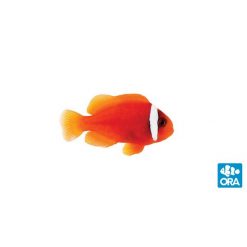
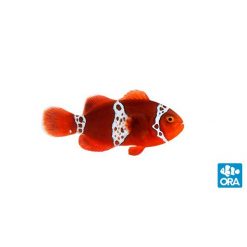
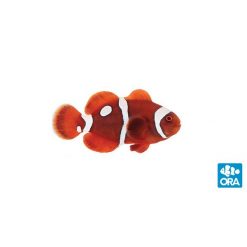
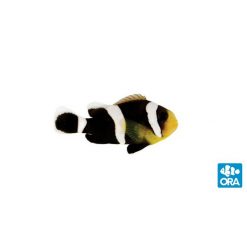
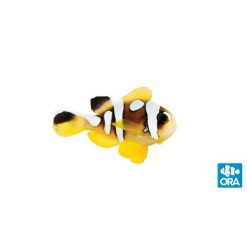
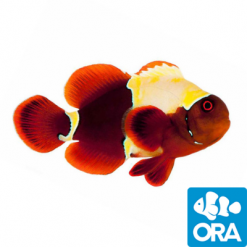
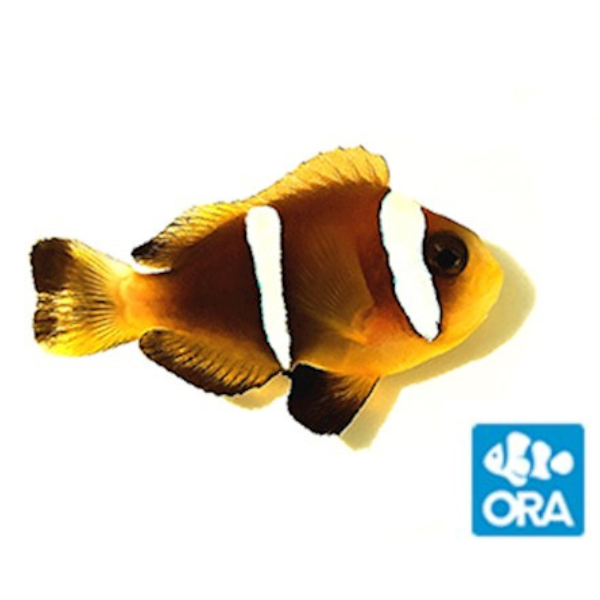
The ORA Oman Clownfish Captive-Bred (Amphiprion omanensis) is a rare, hardy, and environmentally responsible choice for reef aquariums. Known for its rich golden-brown body, twin white bands, and distinctively forked tail, this species combines visual appeal with resilience. Each specimen is bred through ORA’s certified aquaculture program, ensuring fish that are healthy, disease-free, and well adapted to aquarium life.
Unlike wild-caught Oman clownfish, captive-bred specimens acclimate quickly to prepared foods and consistent tank conditions, making them ideal for both new and experienced reef keepers. Their peaceful temperament and reef-safe behavior make them excellent additions to mixed coral environments.
Key Facts
| Specification | Details |
|---|---|
| Scientific Name | Amphiprion omanensis |
| Family | Pomacentridae |
| Origin | Reefs near Oman (captive-bred in USA) |
| Max Size | 5 inches |
| Purchase Size | 1–3 inches |
| Lifespan | 8–10 years |
| Care Level | Easy |
| Minimum Tank Size | 20 gallons (single) |
| Temperament | Peaceful to semi-aggressive when paired |
| Reef Safe | Yes |
| Diet | Omnivore – flake, pellet, mysis shrimp |
| Temperature | 75–82°F |
| pH Range | 8.0–8.4 |
| Salinity | 1.020–1.026 |
Appearance
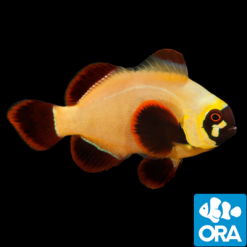
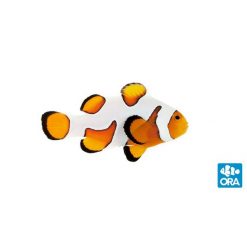
ORA Oman Clownfish display a deep brown to amber body accented with two bright white bars and a distinct forked tail. Juveniles begin lighter in tone, darkening as they mature, creating a unique gradient effect that sets them apart from other clownfish species.
Care & Requirements
The ORA Oman Clownfish Captive-Bred thrives in stable reef systems. A 20-gallon aquarium is sufficient for a single clownfish , or a bonded pair in at least 40-50 gallons, though larger tanks reduce territorial behavior. Maintain water parameters within 75–82°F, pH 8.0–8.4, and salinity 1.020–1.026 for optimal health. Provide moderate water movement around 10–20x the tank volume per hour and include live rock for shelter and territorial structure.
Feed a balanced omnivore diet of marine flakes, pellets, and frozen foods such as mysis or brine shrimp two to three times daily. These fish do not require an anemone to survive but may naturally host when one is available.
Do Oman Clownfish need an anemone to survive?
No. They can live comfortably without anemones but will often host in available species like bubble tip or sebae anemones.
How often should I feed an ORA Oman Clownfish?
Feed small portions twice or thrice daily with varied foods to maintain vibrant color and immune health.
What tank size is best for a pair?
A 40-gallon tank works for a pair, though 50 gallons or more minimizes aggression when housing additional fish.
Tank Mates & Compatibility
Peaceful and reef-safe, ORA Oman Clownfish coexist well with gobies, blennies, wrasses, and small reef fish. Avoid pairing them with overly territorial or predatory species. They do not harm corals or small invertebrates, making them an excellent fit for reef aquariums.
Can Oman Clownfish live with other clownfish species?
It’s best to keep only one species or bonded pair to prevent aggression.
Are they compatible with cleaner shrimp and snails?
Yes. They coexist peacefully and ignore smaller invertebrates.
Can they live in groups?
Yes, if introduced when young and simultaneously, though pairs remain most stable.
Aquaculture/Availability
ORA Oman Clownfish are consistently captive-bred within ORA’s sustainable aquaculture facilities in the USA. Each fish is certified healthy and raised without harmful capture methods. Due to controlled breeding cycles, new releases occur only a few times yearly, making each batch highly sought after by collectors and sustainable reef enthusiasts alike.
Are these fish bred in the USA?
Yes. ORA raises all Oman Clownfish in their controlled aquaculture systems domestically.
Why are ORA Oman Clownfish considered rare?
They originate from the small reef regions of Oman and were unavailable in the aquarium trade until ORA’s breeding success.
How often are new batches released?
Availability varies by breeding cycle, typically a few limited releases per year.
Why Buy From Oceansgarden.com
- Captive-Bred & Sustainable: Many of our fish and invertebrates are captive-bred or sustainably sourced to promote healthy reef ecosystems.
- Expert Care Before Shipping: Every animal is maintained under professional aquarium standards for health, diet, and water quality.
- Live Arrival Guarantee: We stand behind each shipment with a Live Arrival Guarantee for your peace of mind.
- Fast, Reliable Shipping: Orders are packed with proven methods and shipped overnight to ensure safe arrival.
- Transparent Policies: Clear shipping, refund, and guarantee information available on every order page.
- Trusted by Hobbyists: Backed by years of experience and thousands of satisfied marine aquarium keepers across the U.S.
FAQ
How long do captive-bred Oman Clownfish live?
With consistent care and stable water quality, they live 8–10 years on average.
What is the difference between captive-bred and wild Oman Clownfish?
Captive-bred fish adapt faster, resist disease better, and readily accept prepared foods compared to wild-caught specimens.
What do Oman Clownfish eat?
They eat flakes, pellets, and frozen foods like mysis or brine shrimp. Varying their diet enhances health and color.
Can ORA Oman Clownfish breed in home aquariums?
Yes. Bonded pairs may spawn under stable conditions, with the female typically being larger.
Are Oman Clownfish reef-safe?
Yes. They coexist peacefully with soft, LPS, and SPS corals and will not nip at polyps.
Do they require special lighting or filtration?
Standard reef systems suffice. Stable parameters are more important than lighting intensity.
What size do adults reach?
Adults typically reach about 5 inches, slightly larger than common clownfish varieties.
Is it ethical to buy captive-bred clownfish?
Yes. Purchasing captive-bred fish supports sustainable aquaculture and reduces demand for wild collection.
| size | 1-3 inches |
|---|
Related products