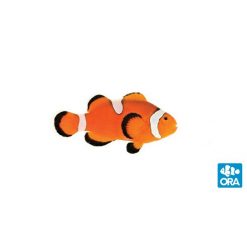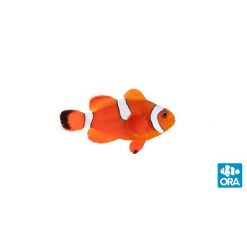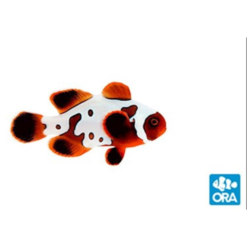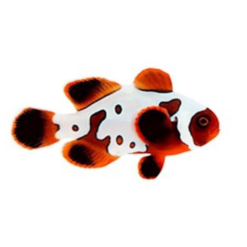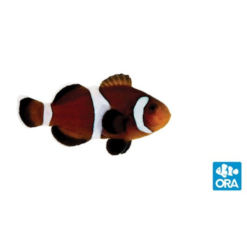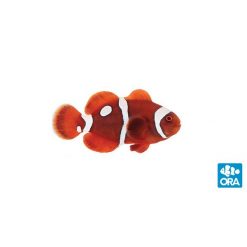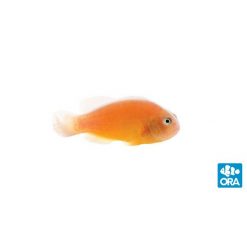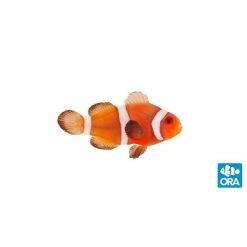
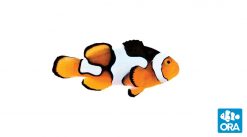

ORA Picasso Percula Clownfish Captive Bred for Sale
The ORA Picasso Percula Clownfish (Amphiprion percula) is a highly desirable captive-bred designer clownfish recognized for its irregular white stripe patterns and sustainable aquaculture background. Unlike wild-caught specimens, these fish are hardier, disease-resistant, and better adapted to aquarium life. ORA has been a trusted name in marine aquaculture for over 40 years, and choosing a Picasso Percula from ORA means adding a rare yet hardy fish to your collection with confidence.
Key Facts
| Specification | Details |
|---|---|
| Scientific Name | Amphiprion percula |
| Family | Pomacentridae |
| Origin | Solomon Islands, Papua New Guinea (original wild population) |
| Max Size | 3 inches |
| Purchase Size | 1–2 inches |
| Lifespan | 10–15 years |
| Care Level | Easy to moderate |
| Minimum Tank Size | 20 gallons (single), 40 gallons (pair) |
| Temperament | Peaceful to semi-aggressive |
| Reef Safe | Yes |
| Diet | Omnivore – pellets, flakes, mysis, brine shrimp |
| Temperature | 75–80°F |
| pH Range | 8.1–8.4 |
| Salinity | 1.020–1.025 |
Appearance
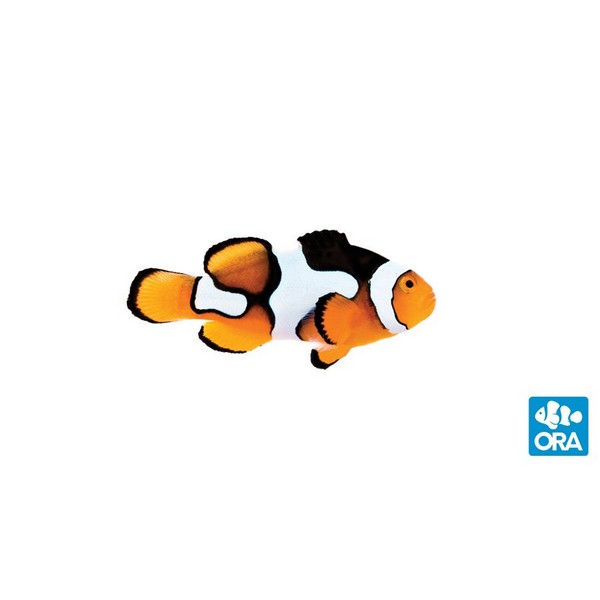
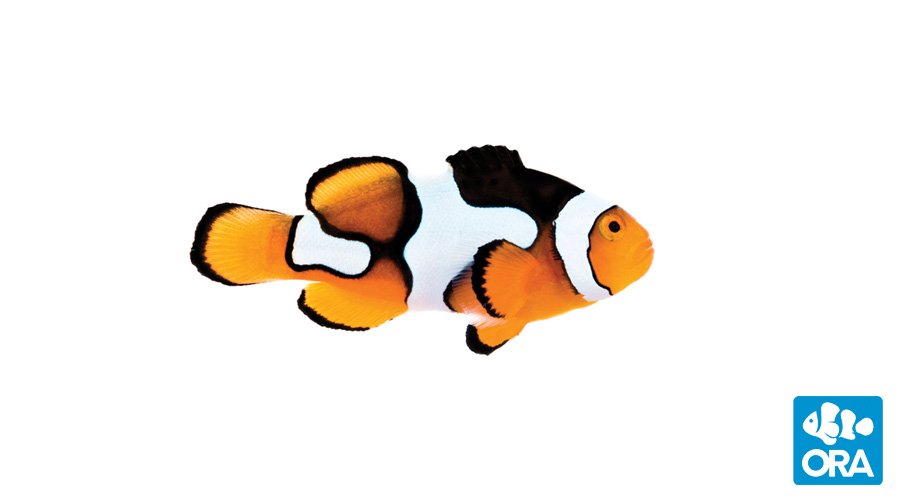
The ORA Picasso Percula Clownfish displays irregular, asymmetrical white stripes across its bright orange body. Each fish has a unique pattern, with some showing extra barring or connected white patches. Variants such as the Helmet Picasso feature a wide white bar across the head, giving them a distinct appearance compared to standard Picasso grades.
Care & Requirements
ORA Picasso Percula Clownfish are well-suited for both beginner and advanced aquarists. They adapt quickly to aquarium life, thrive in reef environments, and are generally peaceful unless protecting a mate or territory. A single fish can be housed in a 20-gallon tank, while bonded pairs require 40 gallons or more to reduce aggression. They accept a wide range of foods, including high-quality pellets, flakes, frozen mysis shrimp, and brine shrimp. While they do not require an anemone to survive, they may host with bubble tip anemones or similar species if available.
Do Picasso clownfish need an anemone to survive?
No, they can live without one, though they may choose to host with corals or anemones if present.
How often should ORA Picasso Percula Clownfish be fed?
Feed small amounts two to three times per day for best health.
Tank Mates & Compatibility
These clownfish are compatible with most peaceful reef fish, including gobies, blennies, and cardinalfish. They should not be housed with large angelfish, triggers, or other aggressive species. When kept as a pair, they may display territorial behavior, but aggression is typically limited to defending their space.
Are Picasso clownfish aggressive?
Generally peaceful, though they can be semi-aggressive when protecting a mate or territory.
What are good tank mates for Picasso Percula clownfish?
Small reef-safe fish such as gobies, wrasses, and chromis make excellent companions.
Aquaculture/Availability
ORA Picasso Percula Clownfish are consistently captive-bred, ensuring sustainability and reduced environmental impact compared to wild-caught fish. Captive breeding also produces hardier specimens that are well-adapted to aquarium conditions. Premium and extreme grades are more limited in supply, creating higher demand among collectors.
Are ORA Picasso Percula Clownfish always captive bred?
Yes, all ORA specimens are aquaculture-raised.
Why choose captive-bred clownfish over wild-caught?
Captive-bred fish are healthier, adapt faster, and reduce pressure on natural populations.
Why Buy From Oceansgarden.com
- Captive-Bred & Sustainable: Many of our fish and invertebrates are captive-bred or sustainably sourced to promote healthy reef ecosystems.
- Expert Care Before Shipping: Every animal is maintained under professional aquarium standards for health, diet, and water quality.
- Live Arrival Guarantee: We stand behind each shipment with a Live Arrival Guarantee for your peace of mind.
- Fast, Reliable Shipping: Orders are packed with proven methods and shipped overnight to ensure safe arrival.
- Transparent Policies: Clear shipping, refund, and guarantee information available on every order page.
- Trusted by Hobbyists: Backed by years of experience and thousands of satisfied marine aquarium keepers across the U.S.
FAQ
What is the lifespan of an ORA Picasso Percula Clownfish?
With proper care, these clownfish can live 10–15 years in a home aquarium. Stable water conditions and a balanced diet are key to reaching their full lifespan.
What do ORA Picasso Percula Clownfish eat?
They are omnivores that accept a wide range of foods, including pellets, flakes, mysis shrimp, brine shrimp, and finely chopped seafood. A varied diet helps enhance color and overall health.
Do Picasso clownfish need to be kept in pairs?
They can be kept alone, but many aquarists prefer keeping them as a pair. In a bonded pair, the larger fish will transition to female, while the smaller becomes male.
What makes Picasso clownfish different from standard percula clownfish?
The Picasso variant is distinguished by irregular and connected white bars, unlike the more uniform stripes of standard Percula clownfish.
How big do Picasso Percula Clownfish get?
They reach up to 3 inches as adults, with females typically larger than males.
Can Picasso Percula Clownfish be hosted by anemones?
Yes, they may naturally associate with bubble tip anemones and other suitable species, but hosting is not required for survival.
Are Picasso Percula Clownfish reef safe?
Yes, they are fully reef safe and can be housed with corals and most invertebrates without issue.
Do Picasso clownfish change sex?
Yes, like other clownfish, they are protandrous hermaphrodites. The dominant fish becomes female, and the next in rank becomes male.
| size | 1 – 2 inches |
|---|
Related products