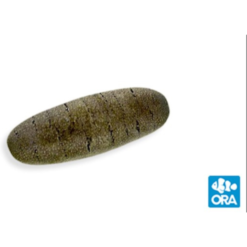
ORA Sand Fish Sea Cucumber for Sale
The ORA Sand Fish Sea Cucumber (Holothuria scabra) is a peaceful, reef-safe detritivore prized for its ability to clean and aerate the substrate in saltwater aquariums. Acting as a natural sand sifter, it helps maintain a healthy ecosystem by breaking down organic debris and improving oxygen flow in the sand bed. Ideal for reef keepers seeking an effective and low-maintenance cleaner, this species supports water quality and reduces the need for manual sand stirring. Known for its calm temperament and beneficial behavior, the ORA Sand Fish Sea Cucumber thrives in mature reef systems with deep established sand beds.
Key Facts
| Specification | Details |
|---|---|
| Scientific Name | Holothuria scabra |
| Family | Holothuriidae |
| Origin | Indo-Pacific |
| Max Size | Up to 8 inches |
| Purchase Size | .5–3 inches |
| Lifespan | 5-8 years in stable systems |
| Care Level | Moderate |
| Minimum Tank Size | 30 gallons (mature sand bed required) |
| Temperament | Peaceful |
| Reef Safe | Yes |
| Diet | Detritus, organic debris, microalgae |
| Temperature | 74–80°F |
| pH Range | 8.0–8.4 |
| Salinity | 1.023–1.025 |
Appearance
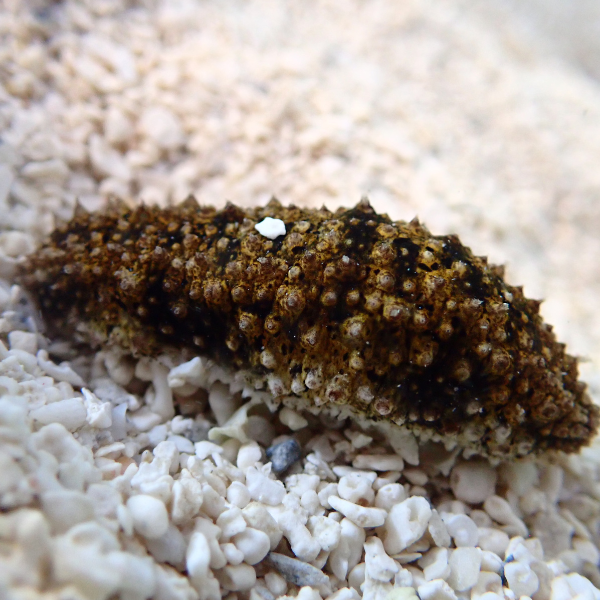
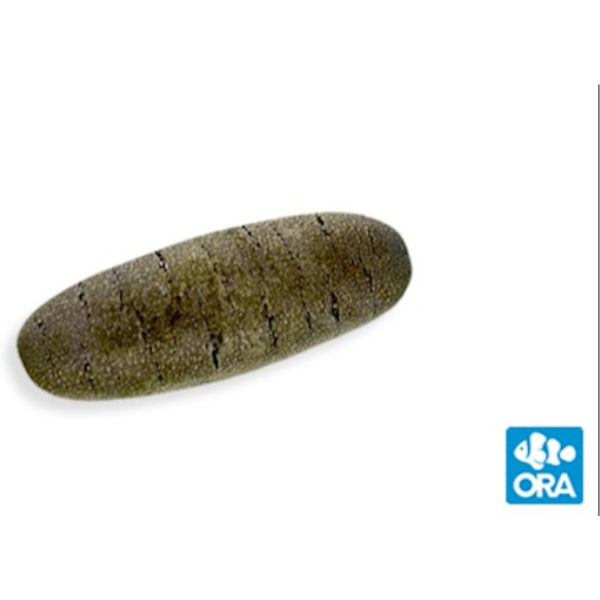
The ORA Sand Fish Sea Cucumber displays a mottled tan-to-brown body with subtle patterning that blends into reef substrates. Its soft, elongated form allows it to burrow beneath sand as it sifts for organic matter, remaining visually unobtrusive yet functionally vital in display tanks.
Care & Requirements
This species thrives in mature reef aquariums with a well-established sand bed of at least 2–3 inches. It feeds by sifting sand for organic debris, contributing to nutrient recycling and substrate aeration. A minimum tank size of 30 gallons is recommended, though larger systems offer greater stability and food availability. The ORA Sand Fish Sea Cucumber is peaceful and should only be housed with non-aggressive tank mates. Avoid strong powerheads or open intakes that may pose injury risk. Stable parameters, low nitrate levels, and gradual acclimation are key to long-term success. When detritus is scarce, it may accept sinking pellets or frozen foods.
How do I acclimate an ORA Sand Fish Sea Cucumber?
Use drip acclimation for at least 30–45 minutes to minimize stress from salinity or temperature changes.
Can it starve in a new tank?
Yes, tanks lacking detritus cannot sustain it—introduce only to mature systems.
Is it safe with corals and invertebrates?
Completely reef-safe; it does not disturb coral polyps or sessile invertebrates.
Tank Mates & Compatibility
Compatible with peaceful reef species including gobies, blennies, and snails. Avoid aggressive fish or predatory crustaceans that may nip or disturb it. Maintain open sand zones for movement and feeding. Do not keep multiple sea cucumbers unless sufficient sand area is available for all individuals.
Can I keep two sand cucumbers in the same tank?
Only in tanks over 75 gallons with extensive sand coverage.
What should I avoid keeping with this species?
Avoid puffers, triggers, and large wrasses that may injure or harass it.
Does it release toxins if threatened?
It is extremely rare in stable, predator-free tanks.
Aquaculture/Availability
ORA’s aquaculture program emphasizes sustainable collection and health assurance. Currently, captive-bred specimens are not widely available; most trade relies on responsibly wild-collected individuals under ORA management. ORA continues to expand captive propagation to further reduce wild impact while maintaining consistent quality and reef-safe behavior.
Is this sea cucumber captive-bred?
Occasionally, but most remain sustainably wild-collected.
When is it most available?
Typically during warmer months when collection is safest.
How can I ensure a healthy arrival?
Purchase from reputable aquaculture sources and acclimate slowly upon arrival.
Why Buy From Oceansgarden.com
- Captive-Bred & Sustainable: Many of our fish and invertebrates are captive-bred or sustainably sourced to promote healthy reef ecosystems.
- Expert Care Before Shipping: Every animal is maintained under professional aquarium standards for health, diet, and water quality.
- Live Arrival Guarantee: We stand behind each shipment with a Live Arrival Guarantee for your peace of mind.
- Fast, Reliable Shipping: Orders are packed with proven methods and shipped overnight to ensure safe arrival.
- Transparent Policies: Clear shipping, refund, and guarantee information available on every order page.
- Trusted by Hobbyists: Backed by years of experience and thousands of satisfied marine aquarium keepers across the U.S.
FAQ
Is the ORA Sand Fish Sea Cucumber reef-safe for all aquarium types?
Yes. It is completely reef-safe and does not disturb corals, clams, or invertebrates. It focuses solely on detritus within the sand bed, making it one of the safest sand sifters for mixed reefs.
How big does an ORA Sand Fish Sea Cucumber get?
It typically grows up to 8 inches in captivity, though size depends on food availability and tank maturity. Smaller individuals adapt better to tanks under 50 gallons.
What do ORA Sand Fish Sea Cucumbers eat in captivity?
They naturally consume detritus and microalgae within the sand. In tanks with limited food sources, supplemental sinking foods or marine pellets can be offered.
How often should I feed a sand-sifting cucumber?
They feed continuously throughout the day and night, so no specific feeding schedule is needed if the sand bed is nutrient-rich.
What are the signs of a stressed sea cucumber?
Signs include excessive contraction, loss of movement, floating, or partial evisceration (expelling internal organs). Remove immediately if water parameters shift.
Can toxins harm other tank inhabitants?
Only if the cucumber is severely stressed or dies in the tank. Maintaining stable conditions and covering intakes eliminates most risk.
How do I protect it from being sucked into filtration?
Use mesh guards or sponge covers on pump intakes to prevent injury, especially in smaller tanks.
Do they reproduce in home aquariums?
Rarely. Spawning events are infrequent and typically occur in large, stable reef systems with excellent water quality.
Can they live with sand-sifting starfish or gobies?
Yes, though food competition may occur in smaller systems. Provide adequate sand surface and organic material for all sifters.
What is the lifespan of the ORA Sand Fish Sea Cucumber?
With proper care, it can live 3–5 years, often longer in mature, nutrient-stable reef systems.
| size | .5-3 inches |
|---|
Related products