ORA Yellowtail Damsel Captive-Bred for Sale
ORA Yellowtail Damsel Captive-Bred (Chrysiptera parasema) is a hardy, colorful, and beginner-friendly saltwater aquarium fish known for its bright contrast of deep blue body and yellow tail. Unlike wild-caught damsels, ORA’s aquaculture-raised specimens arrive healthier, more resilient to shipping stress, and less prone to disease. This makes them a reliable choice for hobbyists seeking a long-lived, active, and environmentally responsible addition to their reef or fish-only setup. Small in size, never exceeding 3 inches, they thrive in aquariums of 30 gallons or larger. Many aquarists choose them because they are reef safe, adapt well to varied tank conditions, and provide vibrant movement without requiring complex care.
Key Facts
| Specification | Details |
|---|---|
| Scientific Name | Chrysiptera parasema |
| Family | Pomacentridae |
| Origin | Indo-Pacific, captive-bred by ORA |
| Max Size | 3 inches |
| Purchase Size | .25 – 1.25 inches |
| Lifespan | 5–15 years in captivity |
| Care Level | Easy |
| Minimum Tank Size | 20 gallons |
| Temperament | Semi-aggressive |
| Reef Safe | Yes, with corals and inverts |
| Diet | Omnivore |
| Temperature | 75–80°F (24–27°C) |
| pH Range | 8.1–8.4 |
| Salinity | 1.020–1.025 |
Appearance
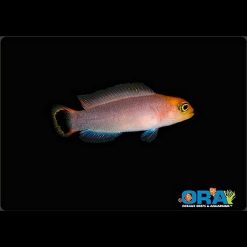
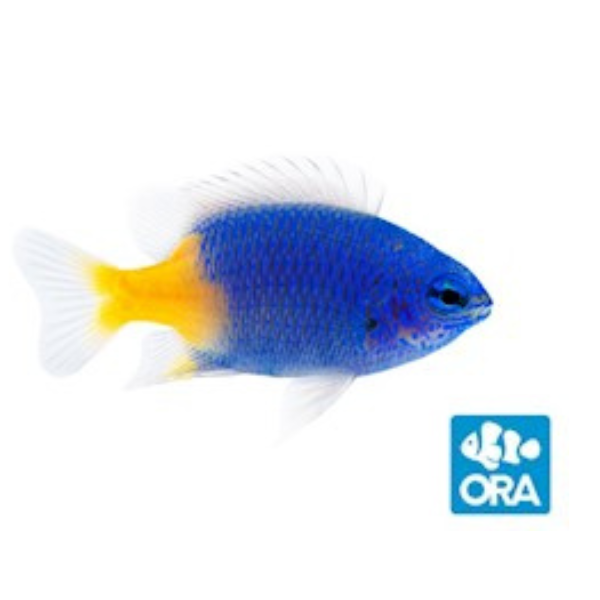
The ORA Yellowtail Damsel has a deep royal-blue body with a striking bright yellow tail. Juveniles often show a slightly lighter blue that deepens as they mature, maintaining strong contrast with the tail.
Care & Requirements
Captive-bred ORA Yellowtail Damsels thrive in aquariums of 20 gallons or more. Provide live rock with caves and hiding places to minimize territorial disputes. These damsels are omnivores and should be fed 2–3 times daily with flakes, pellets, frozen mysis shrimp, brine shrimp, and plant-based foods. Stable water conditions with pH between 8.1–8.4, salinity of 1.020–1.025, and temperature of 75–80°F will support long-term health. With proper care, they can live for 5–15 years.
How often should I feed my ORA Yellowtail Damsel? Feed 2–3 small meals daily for best health and coloration.
Can I keep more than one Yellowtail Damsel together? Yes, but introduce multiple at once in a large enough tank to reduce aggression.
Are Yellowtail Damsels good for beginner aquariums? Yes, they are hardy, adaptable, and disease-resistant when captive-bred by ORA.
Tank Mates & Compatibility
Yellowtail Damsels do best with other semi-aggressive fish of similar size such as clownfish, tangs, or other damsels when kept in spacious aquariums. Avoid housing them with slow-moving or timid fish, as territorial behavior can cause stress. Large predators should also be avoided. Introduce them carefully to limit aggression.
Can I mix Yellowtail Damsels with clownfish? Yes, they are compatible when provided adequate space.
Will my Yellowtail Damsel harm corals? No, they are reef safe with both soft and stony corals.
Do they get along with invertebrates? Yes, they are safe with shrimp, snails, and crabs.
Aquaculture/Availability
The ORA Yellowtail Damsel Captive-Bred is consistently aquacultured by Oceans, Reefs & Aquariums (ORA). This ensures a sustainable, eco-friendly alternative to wild-caught fish, with added benefits of disease resistance and easier acclimation.
Are ORA Yellowtail Damsels always captive-bred? Yes, ORA offers only aquacultured specimens.
Do captive-bred damsels live longer than wild-caught? Yes, they are generally hardier and can reach 10–15 years in captivity.
Why choose captive-bred over wild-caught? Captive-bred fish adapt faster, resist disease, and support reef conservation.
Why Buy From Oceansgarden.com
- Captive-Bred & Sustainable: Many of our fish and invertebrates are captive-bred or sustainably sourced to promote healthy reef ecosystems.
- Expert Care Before Shipping: Every animal is maintained under professional aquarium standards for health, diet, and water quality.
- Live Arrival Guarantee: We stand behind each shipment with a Live Arrival Guarantee for your peace of mind.
- Fast, Reliable Shipping: Orders are packed with proven methods and shipped overnight to ensure safe arrival.
- Transparent Policies: Clear shipping, refund, and guarantee information available on every order page.
- Trusted by Hobbyists: Backed by years of experience and thousands of satisfied marine aquarium keepers across the U.S.
FAQ
How big do ORA Yellowtail Damsels get in home aquariums?
They grow to a maximum size of about 3 inches, making them one of the smaller saltwater damselfish species. This compact size allows them to thrive in tanks as small as 30 gallons.
Are Yellowtail Damsels aggressive compared to other damselfish?
They are considered semi-aggressive but are among the more peaceful damsels. Aggression is minimized when housed in larger tanks with adequate rockwork and introduced in groups.
What is the best diet for ORA Yellowtail Damsels?
They are omnivores and accept a wide range of foods. A mix of flakes, pellets, frozen mysis, brine shrimp, and plant-based items like spirulina provides balanced nutrition.
Do Yellowtail Damsels need to be kept in groups?
They can be kept singly, in pairs, or in small groups. Groups should be added to larger aquariums at the same time to reduce territorial disputes.
Are Yellowtail Damsels safe for reef tanks?
Yes, they are completely reef safe. They will not harm corals, anemones, or most invertebrates, making them a reliable choice for mixed reef setups.
How long do ORA Yellowtail Damsels live in captivity?
With proper care, they typically live 5–10 years, and in optimal conditions, some may reach up to 15 years.
What water parameters are best for ORA Yellowtail Damsels?
They thrive in stable saltwater conditions: temperature 75–80°F, pH 8.1–8.4, and salinity 1.020–1.025. Keeping these stable helps maximize lifespan.
Can Yellowtail Damsels be kept with tangs or angelfish?
Yes, they are compatible with semi-aggressive species of similar size, provided the aquarium is large enough to allow territories.
How does captive-bred behavior differ from wild-caught?
Captive-bred specimens acclimate faster, eat prepared foods readily, and show less stress compared to wild-caught fish, which often carry parasites or diseases.
What are signs of stress in Yellowtail Damsels?
Loss of color, hiding excessively, or rapid breathing are signs of stress. Ensuring stable water, adequate hiding places, and proper tank mates helps prevent this.
| size | Tiny 0.25-1 Inch |
|---|
Related products