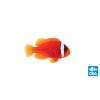
ORA True Percula Clownfish Captive-Bred for Sale
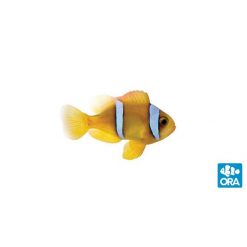
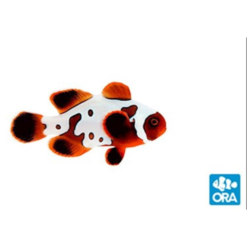
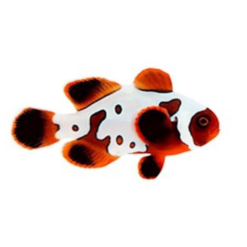
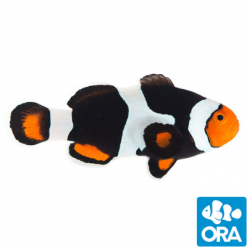
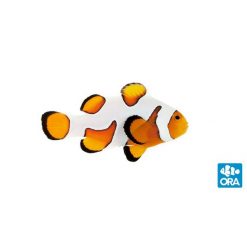
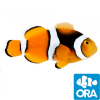
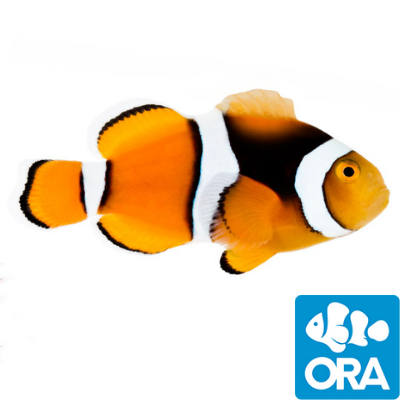
The ORA True Percula Clownfish (Amphiprion percula) brings color, personality, and proven hardiness to saltwater aquariums. Captive-bred by ORA, these fish are well adapted to aquarium life, making them healthier and more resilient than wild-caught clownfish. Their bright orange bodies with crisp white stripes outlined in black make them instantly recognizable, and their peaceful temperament makes them a reliable choice for both beginner and experienced reef keepers. Because they are raised in captivity, they arrive free of common parasites and diseases, ensuring a smoother transition into your aquarium. ORA’s breeding program has been trusted by aquarists for decades, making these clownfish a proven choice for long-term success.
Key Facts
| Specification | Details |
|---|---|
| Scientific Name | Amphiprion percula |
| Family | Pomacentridae |
| Origin | Captive-bred |
| Max Size | 3–4 inches |
| Purchase Size | 1–2 inches |
| Lifespan | Up to 10 years |
| Care Level | Easy |
| Minimum Tank Size | 20 gallons |
| Temperament | Peaceful, semi-territorial |
| Reef Safe | Yes |
| Diet | Omnivore (varied frozen & pellet) |
| Temperature | 75–78°F (24–26°C) |
| pH Range | 8.1–8.4 |
| Salinity | 1.020–1.026 specific gravity |
Appearance
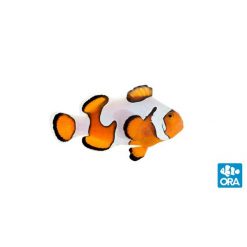
ORA True Percula Clownfish display a bright orange body accented by three bold white bands edged in black. As they mature, the black margins deepen, especially on the fins and between the bands. Females typically grow larger than males, reaching up to 4 inches.
Care & Requirements
Keeping the ORA True Percula Clownfish is straightforward, as they are hardy and tolerant of aquarium conditions. A 20 gallon tank provides enough swimming space, with stable water parameters maintained at 75–78°F, pH 8.1–8.4, and salinity between 1.020–1.026. Their omnivorous diet should include frozen mysis shrimp, enriched brine shrimp, and high-quality pellets fed 2–3 times daily. These clownfish adapt well to reef aquariums and may host with anemones such as Bubble Tip Anemones, though they do not require one for survival.
Are ORA True Percula Clownfish good for beginners?
Yes, their hardiness and captive-bred origin make them an excellent first saltwater fish.
Do they need an anemone to survive?
No, they can thrive without an anemone, but may naturally host one if available.
How long do ORA True Percula Clownfish live?
With proper care, they can live up to 10 years in captivity.
Behavior & Reproduction
ORA True Percula Clownfish are protandrous hermaphrodites, meaning all individuals begin as male, and the dominant fish in a pair becomes female. Pairs form strong monogamous bonds and often remain close together in the aquarium. Spawning can occur monthly under ideal conditions, with the female laying eggs on a flat surface near an anemone or coral. The male fertilizes and guards the eggs until they hatch. While not required for survival, they may establish symbiotic relationships with anemones.
Can ORA True Percula Clownfish breed in aquariums?
Yes, pairs often spawn regularly when conditions are stable.
How do they decide which becomes female?
The most dominant and aggressive fish in the pair transforms into the female.
Tank Mates & Compatibility
ORA True Percula Clownfish are generally peaceful and do well with other community reef fish. Suitable companions include gobies, blennies, cardinalfish, firefish, and certain wrasses. Invertebrates such as shrimp, crabs, and snails are also safe. Avoid housing them with overly aggressive fish such as large damsels or predatory species. When kept in pairs, they establish a natural bond and hierarchy, with the dominant fish becoming female.
Can ORA True Percula Clownfish live in pairs?
Yes, they naturally pair off, with one fish becoming the dominant female.
Are they reef safe with corals?
Yes, they are fully reef safe and will not harm corals.
Aquaculture/Availability
ORA has been a leader in captive-breeding marine life for decades, and the ORA True Percula Clownfish is consistently available as a captive-bred specimen. This eliminates the need for wild collection, reducing pressure on natural reefs while providing aquarists with hardy, disease-resistant fish that adapt well to aquariums.
Are ORA True Percula Clownfish always captive-bred?
Yes, all specimens sold by ORA are captive-bred.
Why choose captive-bred over wild-caught?
Captive-bred fish are hardier, healthier, and more sustainable, with higher survival rates.
Why Buy From Oceansgarden.com
- Captive-Bred & Sustainable: Many of our fish and invertebrates are captive-bred or sustainably sourced to promote healthy reef ecosystems.
- Expert Care Before Shipping: Every animal is maintained under professional aquarium standards for health, diet, and water quality.
- Live Arrival Guarantee: We stand behind each shipment with a Live Arrival Guarantee for your peace of mind.
- Fast, Reliable Shipping: Orders are packed with proven methods and shipped overnight to ensure safe arrival.
- Transparent Policies: Clear shipping, refund, and guarantee information available on every order page.
- Trusted by Hobbyists: Backed by years of experience and thousands of satisfied marine aquarium keepers across the U.S.
FAQ
What is the difference between Percula and Ocellaris clownfish?
True Percula Clownfish (Amphiprion percula) have thicker black outlines around their white bands and typically smaller size compared to Ocellaris (Amphiprion ocellaris). Perculas also tend to have a slightly more vibrant orange coloration.
How can you tell male from female in ORA True Percula Clownfish?
All clownfish are born male. Within a pair, the dominant fish becomes female. Females are usually larger and more territorial, while males remain smaller and less dominant.
What is the best tank setup for ORA True Percula Clownfish?
A 20–30 gallon aquarium with stable water quality, live rock for territory, and moderate flow provides the ideal environment. They do not require an anemone but may choose to host one.
What diseases are ORA True Percula Clownfish resistant to?
Captive-bred fish from ORA are less likely to carry parasites and common marine diseases like marine ich or brooklynella. However, stable water conditions and quarantine practices remain important.
What do ORA True Percula Clownfish eat?
They are omnivores and accept a wide variety of foods, including mysis shrimp, brine shrimp, pellets, and marine flakes. Feeding small portions 2–3 times daily supports growth and coloration.
Are ORA True Percula Clownfish aggressive?
They are generally peaceful but may become territorial when paired or defending a chosen area. Their aggression level is lower than many other damselfish.
How long does it take for them to settle in after purchase?
Captive-bred fish adapt quickly and usually begin eating within the first day in a new aquarium, provided conditions are stable.
| size | 1-2 inches |
|---|
Related products