ORA Electric Indigo Dottyback Captive-Bred for Sale
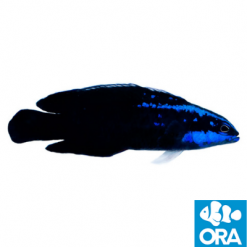
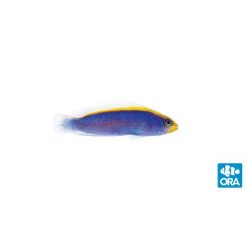
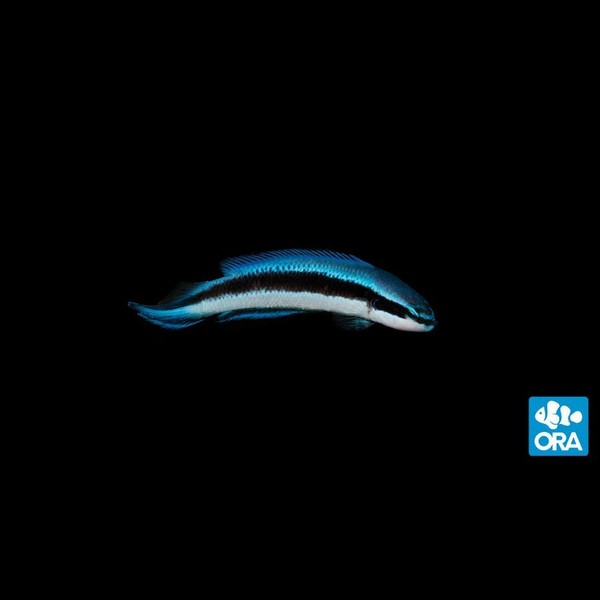
The ORA Electric Indigo Dottyback is a captive-bred hybrid prized for its vibrant blue top, deep black midline, and bright white underside—a striking three-color pattern developed by ORA through selective aquaculture. Bred for hardiness and adaptability, this fish thrives in home marine aquariums and displays calmer behavior than most wild-caught dottybacks. Ideal for reef keepers seeking a colorful yet manageable species, it’s fully reef-safe and effective at controlling bristle worms. Every ORA specimen is bred and raised in controlled aquaculture environments, ensuring disease resistance and humane handling.
Key Facts
| Specification | Details |
|---|---|
| Scientific Name | Pseudochromis fridmani × sankeyi |
| Family | Pseudochromidae |
| Origin | Captive-bred by ORA (Florida, USA) |
| Maximum Size | 3 inches |
| Purchase Size | 2–3 inches |
| Lifespan | 5–7 years (in stable reef conditions) |
| Care Level | Moderate |
| Minimum Tank Size | 30 gallons |
| Temperament | Semi-aggressive; territorial toward conspecifics |
| Reef Safe | Yes |
| Diet | Carnivore; meaty frozen and pellet foods |
| Temperature | 72–78°F |
| pH Range | 8.1–8.4 |
| Salinity | 1.020–1.025 |
Appearance
The ORA Electric Indigo Dottyback features a vivid electric-blue dorsal region, a bold black stripe running laterally through the mid-body, and a crisp white ventral section. Its compact, torpedo-like body and continuous caudal filament enhance its agile swimming style, making it both visually striking and functionally efficient in small to mid-size reef tanks.
Care & Requirements
This dottyback adapts best in a mature saltwater aquarium of at least 30 gallons with abundant live rock for hiding and territory establishment. Although relatively peaceful for its genus, it may defend its cave or rockwork if another fish invades its space. It thrives on a protein-rich diet of frozen mysis shrimp, brine shrimp, or high-quality marine pellets. Regular feeding—twice daily in small portions—helps maintain coloration and vitality.
Tank water should remain stable with moderate flow and reef-safe filtration. The ORA Electric Indigo Dottyback adjusts quickly to captive conditions, especially when introduced after less aggressive tank mates have settled.
Can the Electric Indigo Dottyback live with coral?
Yes, it is completely reef safe and will not nip at corals or sessile invertebrates.
How often should it be fed?
Offer small, meaty meals once or twice daily to mimic natural foraging behavior.
Does it hide a lot when first introduced?
It may remain shy for a few days but quickly becomes visible once established.
Tank Mates & Compatibility
The Electric Indigo Dottyback coexists well with peaceful community reef fish such as clownfish, gobies, and blennies. Avoid housing it with other dottybacks, pseudochromids, or highly territorial species. A single specimen per tank is recommended unless introduced as a managed mated pair. Provide plenty of caves and live rock to reduce aggression and encourage natural behaviors.
Can two Electric Indigo Dottybacks live together?
Only as a bonded male-female pair in large tanks; otherwise, they will fight.
Is it safe with invertebrates?
Yes, this species ignores shrimp, snails, and other small clean-up crew members.
What fish should be avoided?
Avoid mixing with dottybacks, hawkfish, or aggressive wrasses.
Aquaculture/Availability
ORA developed and maintains the Electric Indigo Dottyback through controlled aquaculture, crossing Pseudochromis fridmani and P. sankeyi. These fish are fully captive-bred, disease-free, and hardier than wild-caught variants. Currently, captive-bred specimens are produced in limited numbers, so supply can fluctuate throughout the year. Purchasing ORA-bred stock ensures sustainable marine hobby practices while reducing pressure on wild populations.
Are all Electric Indigo Dottybacks captive-bred?
Yes, all ORA Electric Indigo Dottybacks originate from aquaculture facilities.
Why choose captive-bred over wild-caught?
Captive-bred fish adapt faster, eat prepared foods, and resist disease better.
How is ORA different from other breeders?
ORA is the pioneering U.S. facility for dottyback hybridization and reef-safe aquaculture.
Why Buy From Oceansgarden.com
- Captive-Bred & Sustainable: Many of our fish and invertebrates are captive-bred or sustainably sourced to promote healthy reef ecosystems.
- Expert Care Before Shipping: Every animal is maintained under professional aquarium standards for health, diet, and water quality.
- Live Arrival Guarantee: We stand behind each shipment with a Live Arrival Guarantee for your peace of mind.
- Fast, Reliable Shipping: Orders are packed with proven methods and shipped overnight to ensure safe arrival.
- Transparent Policies: Clear shipping, refund, and guarantee information available on every order page.
- Trusted by Hobbyists: Backed by years of experience and thousands of satisfied marine aquarium keepers across the U.S.
FAQ
What makes the ORA Electric Indigo Dottyback unique compared to other dottybacks?
It’s the first hybrid between P. fridmani and P. sankeyi, combining the vibrant colors of the orchid dottyback with the defined banding of the sankeyi. This hybrid offers a calmer temperament and better adaptability in reef systems.
Is the Electric Indigo Dottyback difficult for beginners?
No, it’s one of the easiest dottybacks for new reef keepers due to its captive-bred origin and resilience to changes in water parameters.
How long does it take for the fish to reach full size?
Typically within 12–18 months under regular feeding and stable tank conditions.
Can it change sex like other dottybacks?
Yes, it’s protogynous—females can become males if kept singly or paired later in life.
Does it eat pests in the aquarium?
Yes, it helps control bristle worm populations naturally without harming beneficial fauna.
What lighting conditions bring out its color best?
Blue-spectrum reef lighting accentuates the electric blue dorsal region and dark midline contrast.
How should new ORA Electric Indigo Dottybacks be acclimated?
Use the drip method for 30–45 minutes to match salinity and temperature, minimizing stress.
What is the average lifespan in captivity?
With proper diet and water quality, it can live 5–7 years or more.
| size | 2-3 inches |
|---|
Related products