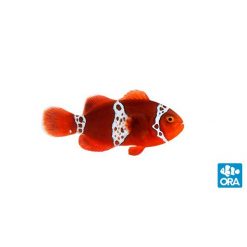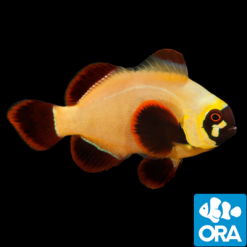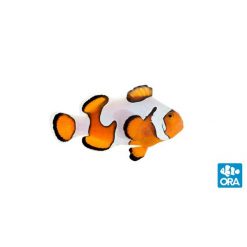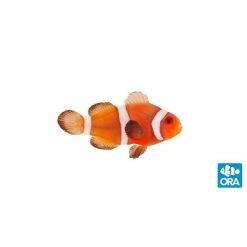

ORA Orange Skunk Clownfish Captive Bred for Sale
The ORA Orange Skunk Clownfish Captive Bred (Amphiprion sandaracinos) is a hardy, peaceful, and vibrant reef-safe fish ideal for both new and experienced aquarists. Known for its adaptability and calm temperament, this ORA-bred clownfish readily accepts prepared foods and thrives in well-maintained marine aquariums. Captive-bred by Oceans, Reefs & Aquariums (ORA), these fish are bred for health, disease resistance, and sustainability, giving aquarists confidence in a long-lived, eco-responsible choice.
Key Facts
| Specification | Details |
|---|---|
| Scientific Name | Amphiprion sandaracinos |
| Family | Pomacentridae |
| Origin | Indo-Pacific |
| Maximum Size | 4.5 inches |
| Purchase Size | .75 – 1.25 inches |
| Lifespan | Up to 10 years |
| Care Level | Easy |
| Minimum Tank Size | 30 gallons |
| Temperament | Peaceful |
| Reef Safe | Yes |
| Diet | Omnivore (meaty and algae-based foods) |
| Temperature | 75–82°F (24–28°C) |
| pH Range | 7.7–8.5 |
| Salinity | 1.020–1.026 |
Appearance
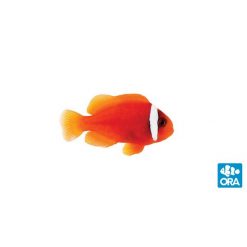
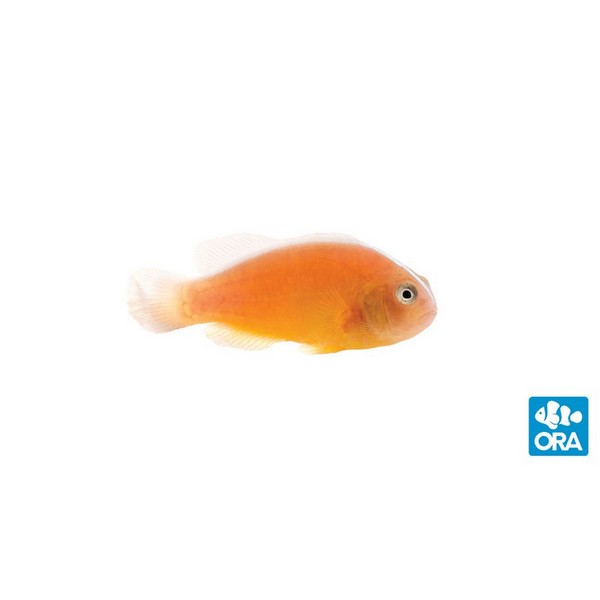
The ORA Orange Skunk Clownfish has a bright orange to yellow-orange body with a single white stripe running horizontally from the mouth across the top of the head and along the back to the tail. This clean stripe differentiates it from the pink skunk clownfish, which also has a vertical white bar. The streamlined body and flowing fins create a smooth, elegant appearance in the water.
Care & Requirements
This species thrives in stable, tropical marine environments. Provide live rock for hiding and territorial boundaries, and maintain good water movement to ensure oxygenation. Feed a balanced diet of mysis shrimp, brine shrimp, chopped seafood, and algae-based flakes or pellets two to three times daily. These fish adapt well to prepared foods and show minimal feeding aggression.
Although peaceful, they may display mild territorial behavior when guarding anemones or breeding areas. Ideal tank conditions include moderate lighting and stable salinity within 1.020–1.026. Regular maintenance and consistent water parameters promote long-term health and vibrant coloration.
How often should the ORA Orange Skunk Clownfish be fed?
Feed two to three small meals daily to maintain health and coloration.
Does this species require an anemone to thrive?
No, they do well without one but may host if anemones like Heteractis magnifica or Entacmaea quadricolor are present.
Can they be kept singly?
Yes, single specimens adapt well, though pairs can form long-term bonds.
Sustainability & Aquaculture Benefits
Captive-bred by ORA, these clownfish support sustainable aquaculture practices that reduce wild collection and protect natural reef populations. ORA’s long-standing breeding program focuses on disease resistance, hardiness, and adaptability to aquarium life. Purchasing captive-bred specimens ensures better survival rates, predictable behavior, and environmental responsibility.
Tank Mates & Compatibility
The ORA Orange Skunk Clownfish is peaceful and reef-safe, compatible with small community fish and invertebrates. Ideal tank mates include gobies, blennies, dartfish, and peaceful wrasses. Avoid large or aggressive species such as triggerfish or large angelfish that may outcompete them for food or space. Mated pairs coexist well, and two individuals introduced at different sizes often form a pair naturally.
Are ORA Orange Skunk Clownfish suitable for reef tanks?
Yes, they are completely reef-safe and coexist peacefully with corals and invertebrates.
Do they show aggression toward other clownfish?
Mild territoriality may occur if housed with other clownfish species; best kept as a bonded pair.
Can they live with cleaner shrimp or gobies?
Yes, both make excellent companions in peaceful reef setups.
Aquaculture/Availability
ORA’s captive-bred Orange Skunk Clownfish are raised in controlled aquaculture environments, ensuring healthy and hardy specimens. Currently, captive-bred specimens are consistently available through ORA’s breeding program, significantly reducing demand for wild-caught fish. Their adaptability and strong immune systems make them an excellent choice for responsible aquarists seeking sustainable livestock.
Are these clownfish fully captive-bred?
Yes, all ORA Orange Skunk Clownfish offered are 100% captive-bred.
Is there a seasonal shortage?
Availability may vary; captive-bred batches are released in limited quantities.
Why choose captive-bred over wild-caught?
Captive-bred fish are hardier, disease-resistant, and environmentally sustainable.
Why Buy From Oceansgarden.com
- Captive-Bred & Sustainable: Many of our fish and invertebrates are captive-bred or sustainably sourced to promote healthy reef ecosystems.
- Expert Care Before Shipping: Every animal is maintained under professional aquarium standards for health, diet, and water quality.
- Live Arrival Guarantee: We stand behind each shipment with a Live Arrival Guarantee for your peace of mind.
- Fast, Reliable Shipping: Orders are packed with proven methods and shipped overnight to ensure safe arrival.
- Transparent Policies: Clear shipping, refund, and guarantee information available on every order page.
- Trusted by Hobbyists: Backed by years of experience and thousands of satisfied marine aquarium keepers across the U.S.
FAQ
How big do ORA Orange Skunk Clownfish get? Adults typically reach about 4 inches in length, making them suitable for tanks of 30 gallons or larger.
What do ORA Orange Skunk Clownfish eat in captivity? They thrive on a varied diet of frozen mysis shrimp, brine shrimp, and algae-based pellets to maintain color and immune strength.
How long do they live in home aquariums? With proper care and stable water conditions, they can live up to 10 years.
Can they host anemones in captivity? While not required, they may develop symbiotic relationships with bubble tip or magnificent sea anemones.
Do they require specific lighting conditions? Moderate reef lighting is sufficient; avoid extreme brightness that can stress them.
Can ORA Orange Skunk Clownfish be kept with corals? Yes, they are fully reef-safe and will not harm corals or other invertebrates.
Are these clownfish suitable for beginners? Yes, they are one of the easiest and hardiest marine fish to maintain, making them ideal for beginners.
How can you tell males from females? The dominant individual in a pair becomes female over time; size is usually the main differentiator.
Do captive-bred clownfish show natural behaviors? Yes, ORA fish display the same pairing, hosting, and swimming behaviors as their wild counterparts.
Are they sensitive to tank changes? They tolerate minor fluctuations but thrive best with consistent parameters and good water quality.
| size | .75-1.25 inch |
|---|
Related products