
ORA Platinum Percula Clownfish Captive-Bred for Sale
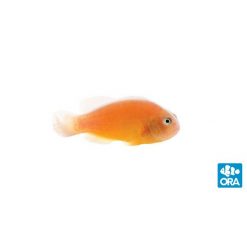
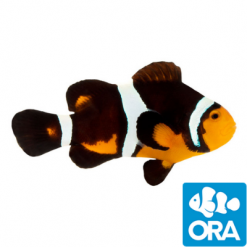
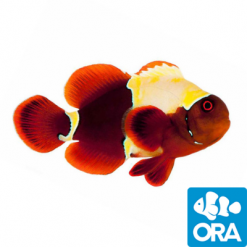
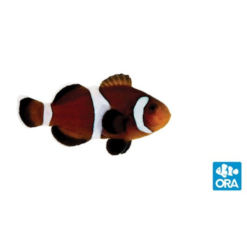
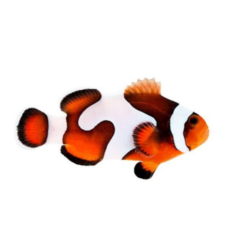
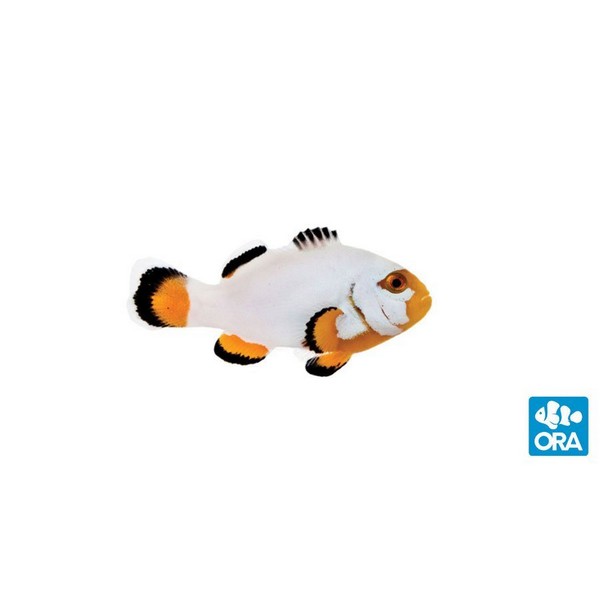
The ORA Platinum Percula Clownfish (Amphiprion percula) is a selectively bred, captive-raised variation of the true Percula Clownfish known for its nearly solid white coloration with an orange face and black fin tips. As an ORA aquaculture fish, it is hardy, disease-resistant, and well-adapted to aquarium life, making it an ideal choice for both new hobbyists and seasoned reef keepers. Unlike wild-caught fish, ORA’s captive-bred clownfish ship better, adapt faster, and live longer in home aquariums.
Key Facts
| Specification | Details |
|---|---|
| Scientific Name | Amphiprion percula |
| Family | Pomacentridae |
| Origin | Captive-bred, ORA Aquaculture |
| Max Size | 3 inches |
| Purchase Size | 1–2 inches |
| Lifespan | 10+ years |
| Care Level | Easy to moderate |
| Minimum Tank Size | 20 gallons |
| Temperament | Semi-aggressive, peaceful in pairs |
| Reef Safe | Yes |
| Diet | Omnivore (pellets, flakes, mysis, brine shrimp) |
| Temperature | 75–82°F |
| pH Range | 8.1–8.4 |
| Salinity | 1.020–1.026 SG |
Appearance
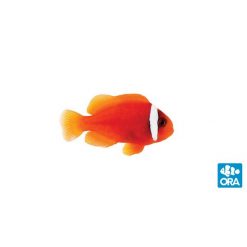
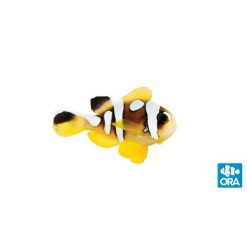
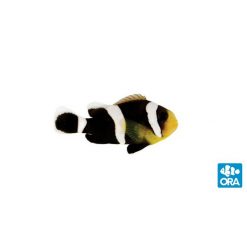
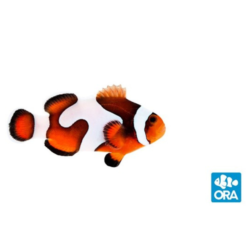
The ORA Platinum Percula Clownfish is recognized for its solid white body, broken only by an orange face and accented by black on the fins as it matures. Unlike standard Perculas, it lacks distinct striping, making it one of the most striking designer clownfish available.
Care & Requirements
This species thrives in aquariums with stable conditions. A minimum tank size of 20 gallons is recommended, with larger tanks preferred for multiple fish or community setups. Maintain temperature between 75–82°F, salinity at 1.020–1.026, and pH between 8.1–8.4. Platinum Perculas accept a wide range of prepared foods including pellets, flakes, mysis, and brine shrimp. Feeding small portions 2–3 times per day helps maintain health and color. While anemones are not required, they may host in Bubble Tip Anemones and occasionally other species.
Are Platinum Percula Clownfish reef-safe?
Yes, they are completely reef safe and will not harm corals.
Do they need an anemone to survive?
No, but they often choose to host in one if available.
How often should I feed them?
Feed 2–3 times daily in small amounts.
Tank Mates & Compatibility
Platinum Percula Clownfish are semi-aggressive but generally peaceful when kept in proper conditions. They do best singly or in pairs, with the larger fish becoming female. Compatible tank mates include gobies, wrasses, blennies, cardinalfish, and peaceful reef-safe species. Avoid housing with overly aggressive fish like triggers or large angelfish.
Can Platinum Perculas be kept in groups?
No, they should be kept singly or in bonded pairs.
What fish make good companions?
Peaceful reef fish such as gobies, wrasses, and blennies.
Aquaculture/Availability
The ORA Platinum Percula Clownfish is consistently captive-bred, not wild-caught. Each fish is selectively bred through years of ORA’s program to produce reliable coloration, hardiness, and adaptability. Because of its popularity, availability may be limited at times.
Are these fish captive-bred or wild-caught?
They are captive-bred by ORA and never collected from the wild.
Why are captive-bred fish better for aquariums?
They adapt more quickly, are hardier, and ship better than wild-caught specimens.
Why Buy From Oceansgarden.com
- Captive-Bred & Sustainable: Many of our fish and invertebrates are captive-bred or sustainably sourced to promote healthy reef ecosystems.
- Expert Care Before Shipping: Every animal is maintained under professional aquarium standards for health, diet, and water quality.
- Live Arrival Guarantee: We stand behind each shipment with a Live Arrival Guarantee for your peace of mind.
- Fast, Reliable Shipping: Orders are packed with proven methods and shipped overnight to ensure safe arrival.
- Transparent Policies: Clear shipping, refund, and guarantee information available on every order page.
- Trusted by Hobbyists: Backed by years of experience and thousands of satisfied marine aquarium keepers across the U.S.
FAQ
How long do Platinum Percula Clownfish live in captivity?
With proper care, they can live 10 years or more, often exceeding the lifespan of wild-caught specimens due to captive-breeding advantages.
What size tank is best for a pair of Platinum Percula Clownfish?
A minimum of 40 gallons is recommended for a bonded pair, as this allows enough territory while maintaining water stability.
Do Platinum Perculas change color as they mature?
Yes, juveniles may appear fully white but develop black fin edges as they grow. The orange face also becomes more pronounced with age.
Are Platinum Percula Clownfish aggressive?
They are generally peaceful but can be semi-aggressive when defending a territory, especially if kept with anemones or while spawning.
What do Platinum Percula Clownfish eat in aquariums?
They accept flakes, pellets, frozen mysis shrimp, and brine shrimp. A varied diet ensures strong health and coloration.
How do I introduce them to an established reef tank?
Acclimate slowly using drip acclimation. Add them to the tank after more timid species are settled to reduce stress.
Can they be bred in home aquariums?
Yes, pairs will spawn in captivity under stable conditions, laying eggs on flat rock surfaces near their hosting site.
What’s the difference between Platinum Percula and Platinum Ocellaris?
Platinum Percula (Amphiprion percula) typically have a more compact body, thicker barring genetics, and are part of ORA’s selective breeding line, while Ocellaris are a different species with subtle differences in shape and behavior.
| size | 1-2 inches |
|---|
Related products