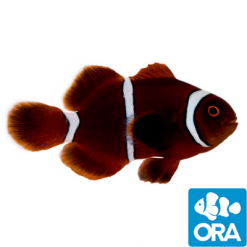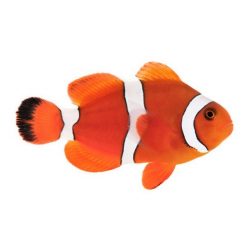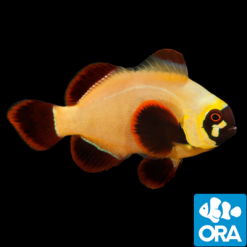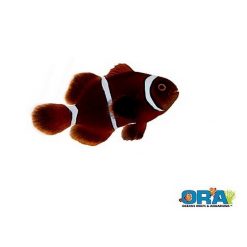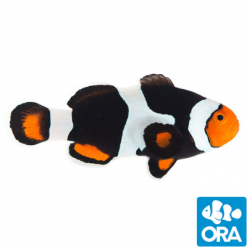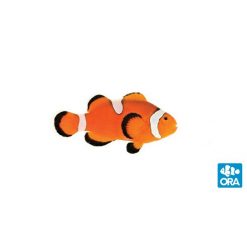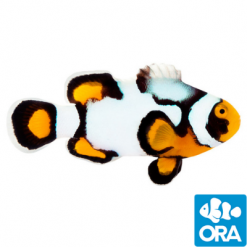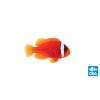
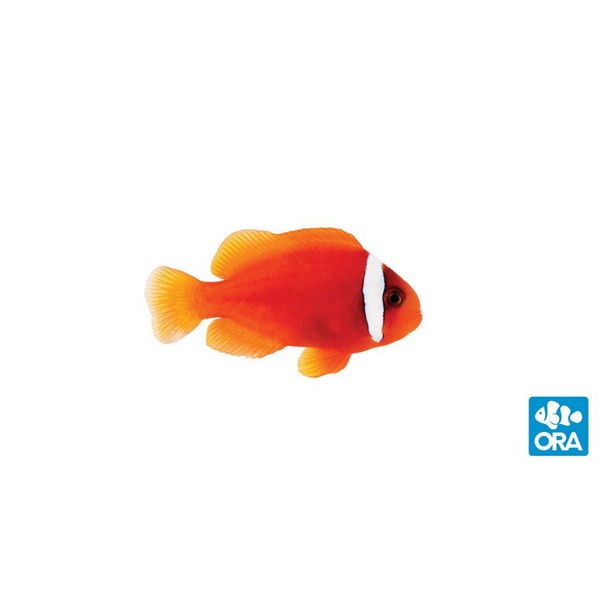


ORA Tomato Clownfish Captive-Bred for Sale
The ORA Tomato Clownfish Captive-Bred (Amphiprion frenatus) is a bold and hardy choice for saltwater aquariums. With its rich red coloration and single white band behind the eye, this fish is as striking as it is resilient. Unlike wild-caught specimens, captive-bred ORA Tomato Clownfish adapt quickly to aquarium life, making them healthier and more disease-resistant. Their semi-aggressive nature makes them ideal for hobbyists who want a hardy fish with personality, and many aquarists trust ORA for their decades of expertise in breeding marine ornamentals.
Key Facts
| Specification | Details |
|---|---|
| Scientific Name | Amphiprion frenatus |
| Family | Pomacentridae |
| Origin | Indo-Pacific |
| Max Size | 6 inches (females), 4 inches (males) |
| Purchase Size | 1–1.5 inches |
| Lifespan | 6–10 years |
| Care Level | Moderate |
| Minimum Tank Size | 30 gallons |
| Temperament | Semi-aggressive |
| Reef Safe | With caution |
| Diet | Omnivore (flakes, pellets, mysis, brine shrimp, algae foods) |
| Temperature | 75–78°F |
| pH Range | 7.7–8.5 |
| Salinity | 1.020–1.026 |
Appearance
The ORA Tomato Clownfish features a deep red body that intensifies with age. Juveniles often display multiple thin white bands, which gradually fade until only a single white bar behind the eye remains. Females grow larger and darker in color, while males remain smaller and lighter red.
Care & Requirements
ORA Tomato Clownfish thrive in stable marine conditions and do well in aquariums of 30 gallons or larger. They are omnivores that accept a wide range of foods, from pellets and flakes to frozen mysis and brine shrimp. While they may host anemones such as the Bubble Tip (Entacmaea quadricolor), they do not require one for survival. Their semi-aggressive nature becomes more pronounced as they mature, especially if kept in smaller tanks or without suitable territory.
Do Tomato Clownfish need an anemone to survive?
No, they can live without one, though some will naturally form a bond with anemones.
Are ORA Tomato Clownfish suitable for beginners?
Yes, their hardy nature and captive-bred resilience make them manageable for new hobbyists.
Tank Mates & Compatibility
ORA Tomato Clownfish are best paired with other semi-aggressive species such as wrasses, tangs, and dwarf angelfish. They may bully smaller, docile fish and should not be kept with overly aggressive tank mates like large triggerfish. When keeping multiple clownfish, only one pair should be housed per tank, as they may become territorial.
Can Tomato Clownfish be kept with peaceful species?
Only with caution, as they may harass smaller tank mates.
How can aggression between pairs be reduced?
Introducing them at the same time and allowing them to establish territory together helps minimize conflict.
Breeding & Pair Dynamics
Captive-bred Tomato Clownfish often form stable pairs. The largest fish becomes female while the smaller remains male. Once paired, they may spawn every 10–14 days, with eggs typically hatching in 6–11 days. Pairs are protective of their chosen site, and their breeding behavior makes them a fascinating addition for aquarists interested in natural marine dynamics.
How often do Tomato Clownfish spawn in captivity?
Typically every 10–14 days under stable conditions.
What is the hatching period for Tomato Clownfish eggs?
Eggs usually hatch in 6–11 days depending on water temperature.
Aquaculture/Availability
The ORA Tomato Clownfish Captive-Bred is consistently available thanks to ORA’s aquaculture program. These fish are raised in controlled environments, making them more disease-resistant and better adapted to aquarium life than wild-caught specimens. Availability can fluctuate due to demand, so purchasing when in stock is recommended.
Are ORA Tomato Clownfish always captive-bred?
Yes, they are raised in aquaculture facilities, not collected from the wild.
Do captive-bred clownfish live longer than wild-caught?
They often adapt better to aquariums, leading to improved health and longevity.
Why Buy From Oceansgarden.com
- Captive-Bred & Sustainable: Many of our fish and invertebrates are captive-bred or sustainably sourced to promote healthy reef ecosystems.
- Expert Care Before Shipping: Every animal is maintained under professional aquarium standards for health, diet, and water quality.
- Live Arrival Guarantee: We stand behind each shipment with a Live Arrival Guarantee for your peace of mind.
- Fast, Reliable Shipping: Orders are packed with proven methods and shipped overnight to ensure safe arrival.
- Transparent Policies: Clear shipping, refund, and guarantee information available on every order page.
- Trusted by Hobbyists: Backed by years of experience and thousands of satisfied marine aquarium keepers across the U.S.
FAQ
How big do ORA Tomato Clownfish get in aquariums?
Males typically reach about 4 inches, while females can grow up to 6 inches, making them larger than most other clownfish species.
Are Tomato Clownfish reef safe with corals and invertebrates?
They are considered reef safe with caution. While they do not eat corals, their territorial behavior can disturb sensitive species if kept in small tanks.
What is the lifespan of a captive-bred Tomato Clownfish?
With proper care, they generally live 6–10 years, sometimes longer under ideal aquarium conditions.
Do Tomato Clownfish require live food?
No, they readily accept flakes, pellets, and frozen foods. Live food can be offered occasionally but is not necessary.
Can two Tomato Clownfish be kept together?
Yes, but only one pair should be housed per tank. The dominant fish will become female, while the other remains male.
What water parameters are best for ORA Tomato Clownfish?
They thrive at 75–78°F, pH 7.7–8.5, and a salinity of 1.020–1.026. Stable conditions are essential for long-term health.
Do Tomato Clownfish change color as they mature?
Yes, juveniles often have multiple white stripes that fade over time, leaving only a single band behind the eye.
Are Tomato Clownfish aggressive toward other clownfish species?
Yes, they should not be housed with other clownfish types, as they can be highly territorial and aggressive.
| size | 1-1.5 inch |
|---|
Related products