ORA Ultra Teal Crocea Clam- Captive Bred for Sale
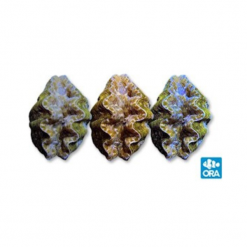
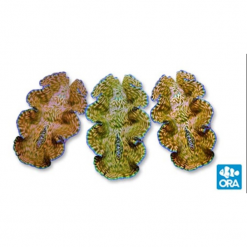
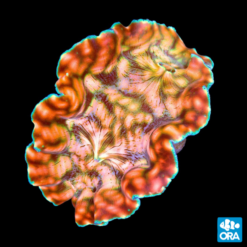
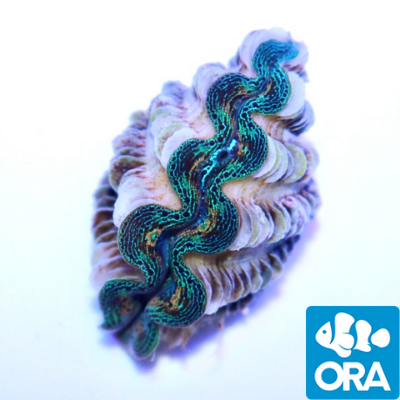
The ORA Crocea Clam (Tridacna crocea) is a reef-safe, aquacultured clam that brings vibrant color and natural filtration to your aquarium. Known as the smallest of the “giant clams,” it reaches a maximum size of about 6 inches, making it ideal for both medium and larger reef systems. Each specimen displays a unique pattern, with brilliant combinations of blue, green, or gold. Because this clam is captive bred, it is hardier than wild-harvested specimens, better adapted to aquarium life, and contributes to sustainable reef practices.
Many aquarists ask if Crocea clams are hard to keep or how long they live outside of water. The truth is, with proper care and placement, these clams are long-lived, thriving for decades in aquariums. As with all ORA aquacultured species, you gain the assurance of disease reduction and reliable adaptation to captive conditions. Limited seasonal availability makes these specimens highly sought after for reef keepers.
Key Facts
| Specification | Details |
|---|---|
| Scientific Name | Tridacna crocea |
| Family | Cardiidae |
| Origin | Captive bred (ORA) |
| Max Size | 6 inches |
| Purchase Size | 1–2 inches |
| Lifespan | Decades in proper care |
| Care Level | Moderate |
| Minimum Tank Size | 30 gallons |
| Temperament | Peaceful |
| Reef Safe | Yes |
| Diet | Photosynthetic; supplemental feeding for <2″ |
| Temperature | 75–78°F |
| pH Range | 8.1–8.4 |
| Salinity | 1.024–1.026 |
Appearance
The ORA Crocea Clam shows a variable mantle coloration with iridescent blues, greens, and golds arranged in intricate patterns. First Grade specimens exhibit strong, vivid color coverage, though not as intensely as “Ultra Grade” selections. The mantle edge often has a fluted appearance, and the shell may develop prominent scutes since captive-bred clams do not bore into rock.
Care & Requirements
Crocea clams are photosynthetic filter feeders that require strong lighting and stable water conditions. They thrive under high PAR (250–350) from LED or metal halide lighting. Because they anchor with a byssal foot, they should be placed on stable rockwork where they can permanently attach. Smaller clams under 2 inches need supplemental phytoplankton feeding, while adults rely mainly on photosynthesis.
Steady, moderate water flow is recommended. Avoid directing strong jets at the clam, as this can cause stress. Proper acclimation is essential—drip acclimation for 45–60 minutes helps prevent shock. Consistent calcium (380–450 ppm), magnesium (1300–1450 ppm), alkalinity (8–9 dKH), and salinity (1.024–1.026) support shell growth and health.
Are Crocea clams good for beginners?
They are best for intermediate reef keepers with stable tanks, but their captive-bred origin makes them easier than wild clams.
Do Crocea clams move around in the tank?
Once attached, they should not be moved. Relocating can damage the byssal threads.
Tank Mates & Compatibility
The ORA Crocea Clam is peaceful and reef safe, coexisting well with most corals and invertebrates. Safe fish include tangs, clownfish, gobies, and chromis. Avoid predatory or nipping species such as angelfish, puffers, and triggerfish, which may pick at the mantle.
Can Crocea clams be kept with corals?
Yes, they are fully reef safe and will not harm corals.
What fish should not be housed with Crocea clams?
Avoid large angelfish, triggers, and wrasses that nip at clams.
Aquaculture/Availability
ORA First Grade Crocea Clams are consistently captive-bred and aquacultured in controlled systems. This reduces the risk of parasites and ensures clams are better adapted to aquarium life compared to wild-collected specimens. Availability can be limited due to grow-out times, making them a highly desirable choice for reef keepers.
Are ORA Crocea Clams captive bred or wild caught?
They are captive bred by ORA, not wild collected.
Why choose captive bred over wild Crocea clams?
Captive bred specimens are hardier, disease resistant, and more sustainable.
Why Buy From Oceansgarden.com
- Captive-Bred & Sustainable: Many of our fish and invertebrates are captive-bred or sustainably sourced to promote healthy reef ecosystems.
- Expert Care Before Shipping: Every animal is maintained under professional aquarium standards for health, diet, and water quality.
- Live Arrival Guarantee: We stand behind each shipment with a Live Arrival Guarantee for your peace of mind.
- Fast, Reliable Shipping: Orders are packed with proven methods and shipped overnight to ensure safe arrival.
- Transparent Policies: Clear shipping, refund, and guarantee information available on every order page.
- Trusted by Hobbyists: Backed by years of experience and thousands of satisfied marine aquarium keepers across the U.S.
FAQ
How big do ORA Crocea Clams get in captivity?
ORA Crocea Clams reach about 6 inches at full size, making them the smallest of the giant clam species. Their compact size allows them to fit comfortably in aquariums as small as 30 gallons.
What is the lifespan of a Crocea clam in an aquarium?
With stable water parameters and proper lighting, Crocea clams can live for several decades. Their longevity depends on consistency in calcium and alkalinity levels.
How fast do Crocea clams grow?
Growth is moderate, averaging about 1 inch per year under strong light and ideal water conditions. Smaller clams often show faster growth rates compared to adults.
What’s the difference between a Crocea clam and a Maxima clam?
Crocea clams are smaller, usually maxing out at 6 inches, and bore into rock in the wild. Maxima clams can grow larger, up to 12 inches, and often have more elongated shells.
Do Crocea clams need feeding if they are photosynthetic?
Adult clams rely mainly on photosynthesis, but juveniles under 2 inches benefit from supplemental phytoplankton or live marine foods.
How do you know if a Crocea clam is healthy?
A healthy clam will show strong mantle extension, reactive closing to movement or shadows, firm attachment to rock, and bright coloration. Gaping shells or lack of response may indicate stress.
What lighting is best for Crocea clams?
They require high PAR lighting, ideally 250–350 µmol/m²/s. LED reef fixtures or metal halide systems are suitable. Insufficient light is a leading cause of decline.
Can Crocea clams survive shipping stress?
ORA’s captive-bred clams are raised in controlled environments, making them more resilient to shipping and acclimation compared to wild clams.
| size | 1-2 inches |
|---|
Related products