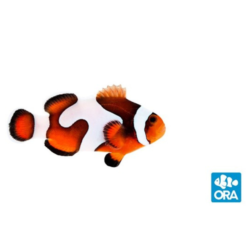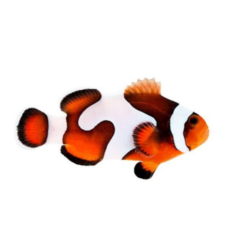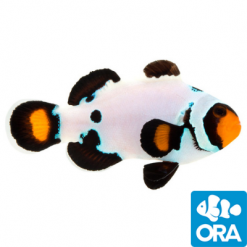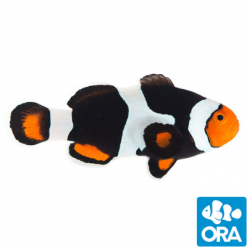
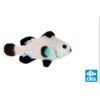
ORA Pink Skunk Clownfish Captive Bred for Sale
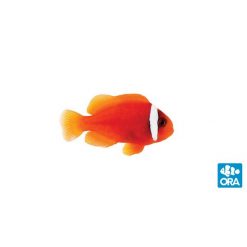
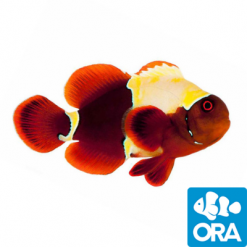
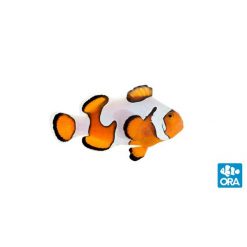
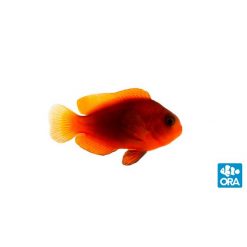
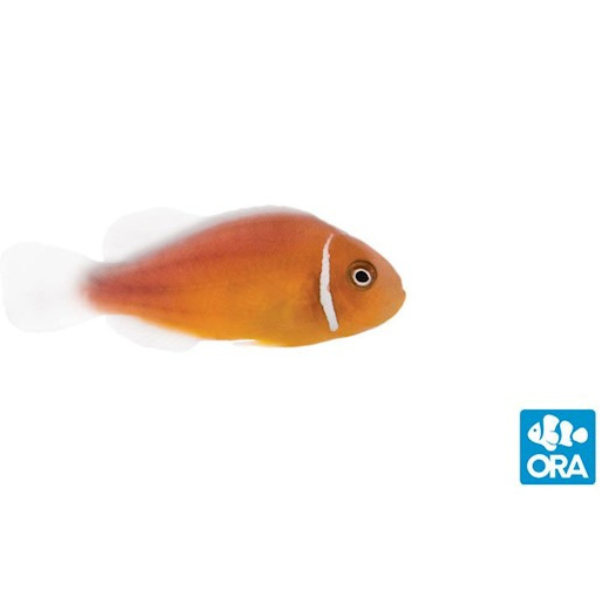
The ORA Captive-Bred Pink Skunk Clownfish (Amphiprion perideraion) is a hardy and peaceful marine fish ideal for both new and experienced saltwater aquarists. Known for their soft apricot-to-pink coloration and single white stripe along the head and back, these clownfish adapt easily to reef environments. As an ORA captive-bred specimen, they are more disease-resistant and better acclimated to aquarium life than wild-caught counterparts. Their gentle behavior makes them an excellent choice for community tanks, and ORA’s reputation for sustainable aquaculture ensures you’re choosing a responsibly sourced fish.
Their easy adaptability, peaceful nature, and compatibility with most reef invertebrates make the ORA Pink Skunk Clownfish a reliable option for any reef-safe aquarium. Captive-bred fish are hardier, eat readily, and support sustainable marine practices—qualities that make this species a smart and ethical addition to your tank.
Key Facts
| Specification | Details |
|---|---|
| Scientific Name | Amphiprion perideraion |
| Family | Pomacentridae |
| Origin | Indo-Pacific, Fiji region |
| Maximum Size | 3–4 inches |
| Purchase Size | 1–2 inches |
| Lifespan | Up to 5 years |
| Care Level | Easy |
| Minimum Tank Size | 20 gallons |
| Temperament | Peaceful, timid |
| Reef Safe | Yes |
| Diet | Omnivore (varied frozen & pellet foods) |
| Temperature | 75–82°F |
| pH Range | 8.1–8.4 |
| Salinity | 1.020–1.026 |
Appearance
The ORA Pink Skunk Clownfish has a distinctive peach or apricot body with a narrow white stripe running from the mouth to the tail fin. The coloration can vary slightly depending on lighting, often showing subtle pink or yellow tones. The simple yet elegant pattern gives it a calm visual presence in reef tanks.
Care & Requirements
These clownfish thrive in aquariums of at least 20 gallons for a single fish or 40 gallons for a pair. Maintain stable parameters within 75–82°F, a pH of 8.1–8.4, and salinity between 1.020 and 1.026. Provide live rock for shelter and natural territory boundaries. They are omnivorous and accept a varied diet of quality marine pellets, flakes, and frozen foods such as mysis or brine shrimp, fed two to three times daily.
Although anemone hosting isn’t required, they will often form symbiotic relationships with species like the Bubble Tip Anemone (Entacmaea quadricolor). As captive-bred fish, they are less stressed, easier to feed, and adapt faster than wild specimens.
Do ORA Pink Skunk Clownfish need an anemone?
No, they do not require one to thrive but will host naturally if available.
How often should they be fed?
Offer 2–3 small meals daily with varied marine foods.
What tank size suits a pair?
A minimum of 40 gallons is recommended for long-term comfort.
Tank Mates & Compatibility
The ORA Pink Skunk Clownfish is peaceful and ideal for reef-safe community aquariums. Suitable companions include gobies, blennies, cardinalfish, and most wrasses. Avoid housing them with large or aggressive fish, such as triggers or dottybacks, which may intimidate them. When kept as a pair, one individual will naturally transition to female, forming a stable bonded duo.
Can they live with other clownfish?
It’s best to keep only one species per tank to prevent territorial behavior.
What are safe invertebrate companions?
Shrimp, snails, and soft corals are ideal.
Do they get along in groups?
They prefer to live singly or as bonded pairs.
Aquaculture/Availability
ORA’s captive-bred Pink Skunk Clownfish are sustainably raised and conditioned for aquarium environments. They are hardy, disease-resistant, and support responsible marine breeding programs. Currently, captive-bred specimens are consistently available, reducing reliance on wild-caught populations and helping preserve natural reefs.
Are all ORA Pink Skunk Clownfish captive-bred?
Yes, ORA produces these exclusively through aquaculture.
Why choose captive-bred fish?
They are healthier, adapt quickly, and reduce environmental impact.
How often are they available?
ORA maintains year-round availability through sustainable breeding cycles.
Why Buy From Oceansgarden.com
- Captive-Bred & Sustainable: Many of our fish and invertebrates are captive-bred or sustainably sourced to promote healthy reef ecosystems.
- Expert Care Before Shipping: Every animal is maintained under professional aquarium standards for health, diet, and water quality.
- Live Arrival Guarantee: We stand behind each shipment with a Live Arrival Guarantee for your peace of mind.
- Fast, Reliable Shipping: Orders are packed with proven methods and shipped overnight to ensure safe arrival.
- Transparent Policies: Clear shipping, refund, and guarantee information available on every order page.
- Trusted by Hobbyists: Backed by years of experience and thousands of satisfied marine aquarium keepers across the U.S.
FAQ
How large do ORA Pink Skunk Clownfish grow in captivity? Adults typically reach 3 to 4 inches, making them suitable for smaller reef tanks of 20 to 30 gallons.
Are ORA Pink Skunk Clownfish reef safe? Yes, they are fully reef safe and coexist peacefully with corals and most invertebrates.
What is the ideal water flow for Pink Skunk Clownfish? Moderate, steady flow replicates their natural reef habitat and keeps them comfortable.
Do they change sex like other clownfish species? Yes, they are protandrous hermaphrodites—the dominant fish becomes female.
How can I tell if my pair is bonded? Pairs swim closely, share the same territory, and show synchronized movement around their chosen area.
What should I feed them for best coloration? Offer enriched frozen foods like mysis and krill along with high-quality marine pellets to enhance pink and apricot tones.
Can ORA Pink Skunk Clownfish host multiple anemone types? Yes, they may host with Bubble Tip or Sebae Anemones if provided.
What’s the lifespan of a captive-bred Pink Skunk Clownfish? With stable water conditions and good nutrition, they can live 4–5 years in home aquariums.
Do they require special lighting? Standard reef lighting is sufficient; they do not rely on intense light levels.
Are they suitable for beginners? Absolutely. Their gentle behavior and adaptability make them one of the best starter saltwater fish options.
| size | .75-1.25 inch |
|---|
Related products