ORA Derasa Clam 3.5″ for Sale
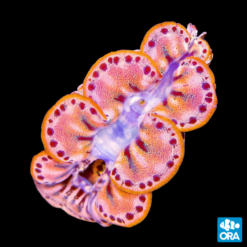
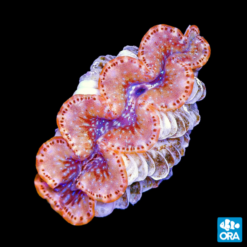
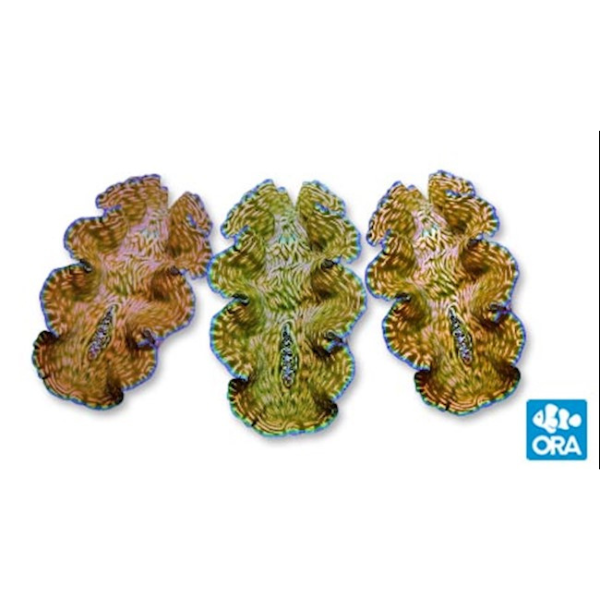
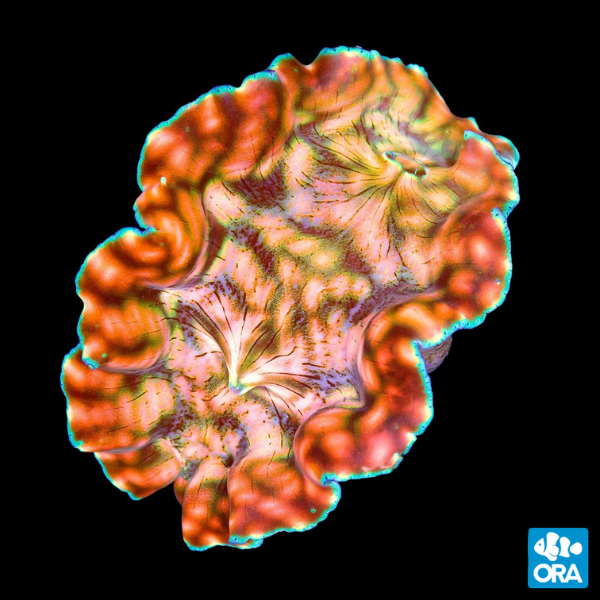
The ORA Derasa Clam (Tridacna derasa) is valued by reef keepers as one of the easiest giant clams to maintain, making it an excellent choice for both beginners and experienced aquarists. Known for its smooth golden to bronze shell and patterned mantle with hints of blue and black striping, this clam grows impressively large, reaching up to 16 inches in length. Unlike more delicate clams, the ORA Derasa thrives when placed directly on the sandbed, needing stable conditions but offering long-term growth and beauty once established. Because ORA specimens are aquacultured, they provide a sustainable and hardy alternative to wild-collected clams.
Key Facts
| Specification | Details |
|---|---|
| Scientific Name | Tridacna derasa |
| Family | Cardiidae |
| Origin | Aquacultured by ORA |
| Max Size | 16 inches |
| Purchase Size | 3-4 inches |
| Lifespan | Decades with proper care |
| Care Level | Easy to moderate |
| Minimum Tank Size | 30 gallons (juvenile), 100+ gallons (adult) |
| Temperament | Peaceful |
| Reef Safe | Yes |
| Diet | Photosynthetic, may accept phytoplankton |
| Temperature | 74–82°F |
| pH Range | 8.1–8.4 |
| Salinity | 1.023–1.025 |
Appearance
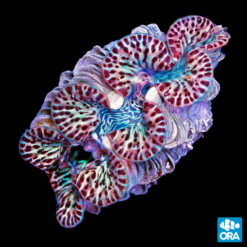
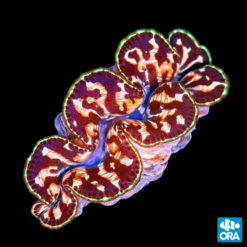
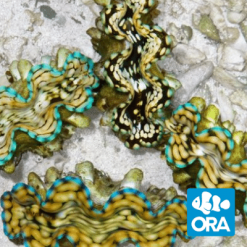
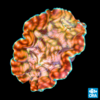
The ORA Derasa Clam displays a smooth, elongated shell with golden to bronze coloration and dark banding. Its mantle may show blue edges or striping under strong lighting, creating contrast against the shell. Juveniles are more patterned, while older clams take on a subtler appearance as they grow.
Care & Requirements
The ORA Derasa Clam is among the least demanding Tridacna species, making it well-suited for reef aquariums. It thrives under moderate to high lighting, with LEDs or metal halides ensuring proper photosynthesis. Placement on the sandbed is ideal, where the clam can expand fully without risk of falling from rockwork. A stable environment with calcium above 400 ppm, alkalinity between 8–12 dKH, and magnesium levels of 1250–1350 ppm is essential for shell growth. Occasional supplementation with live phytoplankton may benefit smaller clams, although larger individuals rely primarily on light. Water flow should be moderate, allowing the mantle to open fully without being blasted directly.
Do Derasa clams need to be fed phytoplankton?
Small juveniles may benefit, but established clams rely mainly on photosynthesis.
Where should I place my ORA Derasa Clam?
The sandbed is best, with moderate water movement and strong lighting.
How fast will a Derasa Clam grow?
Growth can be several inches per year under stable conditions.
Tank Mates & Compatibility
ORA Derasa Clams are reef safe and coexist peacefully with corals and most community fish. However, avoid angelfish, puffers, or triggers that may nip at mantles. Shrimp and crabs are generally safe, provided they do not bother the clam’s tissue. Space should be allowed around the clam for full mantle expansion.
Can I keep multiple Derasa clams together?
Yes, but ensure there is enough space for each clam’s growth.
Are Derasa clams compatible with corals?
Yes, though corals should not touch the mantle directly.
Will fish bother my Derasa clam?
Most reef fish are safe, but avoid species known for nipping at invertebrates.
Aquaculture/Availability
ORA Derasa Clams are consistently aquacultured, providing a sustainable and environmentally responsible option for reef keepers. Captive-bred clams are hardier, more adaptable to aquarium life, and less likely to carry parasites compared to wild-caught specimens. Availability can be limited, as these clams grow slowly and require long cultivation times before release.
Are ORA Derasa Clams captive-bred?
Yes, they are aquacultured for sustainability and hardiness.
Why are ORA clams better than wild-caught?
They adapt more easily to aquariums and support reef conservation.
Are ORA Derasa Clams always available?
Stock is often limited due to slow growth and careful cultivation.
Why Buy From Oceansgarden.com
- Captive-Bred & Sustainable: Many of our fish and invertebrates are captive-bred or sustainably sourced to promote healthy reef ecosystems.
- Expert Care Before Shipping: Every animal is maintained under professional aquarium standards for health, diet, and water quality.
- Live Arrival Guarantee: We stand behind each shipment with a Live Arrival Guarantee for your peace of mind.
- Fast, Reliable Shipping: Orders are packed with proven methods and shipped overnight to ensure safe arrival.
- Transparent Policies: Clear shipping, refund, and guarantee information available on every order page.
- Trusted by Hobbyists: Backed by years of experience and thousands of satisfied marine aquarium keepers across the U.S.
FAQ
Are ORA Derasa Clams hard to keep for beginners?
No, the ORA Derasa Clam is considered one of the easiest Tridacna species. With stable water quality, strong coral lighting, and proper placement, even beginner aquarists can keep them successfully.
How much light does an ORA Derasa Clam need?
These clams require strong lighting to thrive. High-output LEDs, T5s, or metal halides should be used, especially as the clam grows larger and deeper in the tank.
What is the lifespan of a Derasa clam in captivity?
With proper care, Derasa clams can live for decades. Many aquarists keep the same specimen for 20+ years, provided conditions remain stable.
What tank size is best for a Derasa clam long term?
While a juvenile can be started in a 30-gallon tank, an adult requires at least 100 gallons due to its large eventual size of 16 inches.
Do Derasa clams move around the tank?
Juveniles may move slightly by using their foot, but as they grow, they typically settle permanently on the sandbed.
What water parameters do Derasa clams need?
Ideal conditions are calcium above 400 ppm, alkalinity 8–12 dKH, magnesium 1250–1350 ppm, pH 8.1–8.4, salinity 1.023–1.025, and stable temperatures between 74–82°F.
Are ORA Derasa Clams reef safe with SPS and LPS corals?
Yes, they are entirely reef safe and do not harm corals. They also do not compete aggressively for space but need enough room to expand.
Do ORA Derasa Clams require supplemental feeding long term?
Adults primarily photosynthesize under strong lighting and do not require feeding, but dosing live phytoplankton can benefit juveniles or boost health in low-nutrient tanks.
| size | 3-4 inches |
|---|
Related products