ORA Cherub Angelfish for Sale
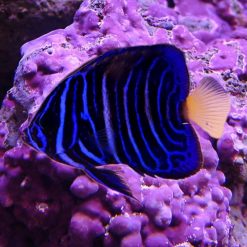
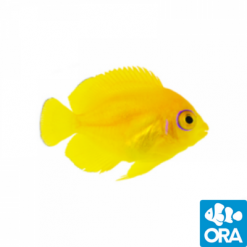
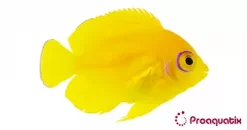
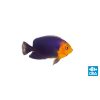
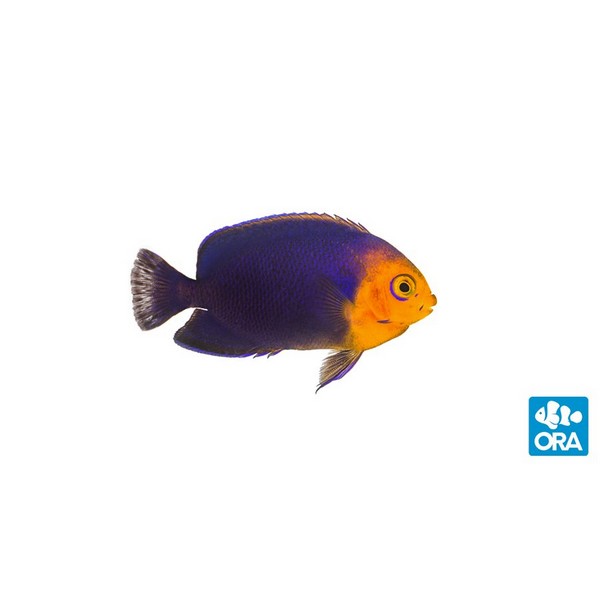
The ORA Cherub Angelfish (Centropyge argi) is a hardy, aquacultured dwarf angelfish prized for its electric blue body and golden-yellow face. Captive-bred by ORA, this species thrives in home aquariums and brings brilliant color to reef tanks while remaining manageable in size and care. Its durable nature and aquacultured origin make it an excellent choice for both new and experienced marine aquarists seeking an ethically sourced fish with lasting health and adaptability.
Key Facts
| Specification | Details |
|---|---|
| Scientific Name | Centropyge argi |
| Family | Pomacanthidae |
| Origin | Western Atlantic, Caribbean Sea (Captive Bred by ORA) |
| Maximum Size | 3 inches |
| Purchase Size | 1 to 1.5 inches |
| Lifespan | 5 to 7 years |
| Care Level | Moderate |
| Minimum Tank Size | 30 gallons (55+ for pairs) |
| Temperament | Semi-aggressive, territorial in small tanks |
| Reef Safe | With caution |
| Diet | Omnivore; algae, small invertebrates, frozen and prepared foods |
| Temperature | 72–78°F |
| pH Range | 8.1–8.4 |
| Salinity | 1.021–1.025 SG |
Appearance
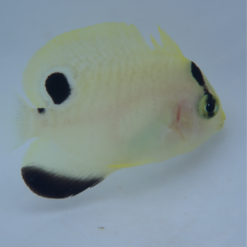
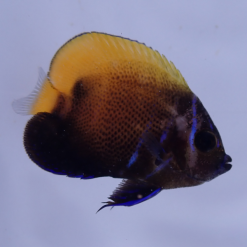
The ORA Cherub Angelfish features a deep cobalt-blue body with a radiant yellow-orange face and eyes. Its compact, oval shape and bold coloration make it a striking centerpiece even in smaller reef aquariums. Juveniles often display slightly lighter hues that deepen as they mature.
Care & Requirements
This species adapts well to established saltwater systems with live rock and stable conditions. Provide ample rockwork and caves to reduce territorial aggression and promote natural grazing behavior. A varied diet including algae-based flakes, pellets, mysis shrimp, and marine angel formulas supports optimal coloration and health. Feed small portions two to three times daily to discourage coral-nipping and reinforce peaceful behavior.
Maintain stable parameters between 72–78°F and pH 8.1–8.4. A single Cherub Angelfish can thrive in a 30-gallon tank; however, pairs should be housed in at least 55 gallons to minimize conflict. Introduce last to avoid territorial disputes.
Can Cherub Angelfish live in reef tanks?
They are reef safe with caution; while most ignore corals, some may nip at clam mantles or stony coral polyps.
How often should I feed my Cherub Angelfish?
Offer small, varied meals two to three times daily for balanced nutrition and behavioral stability.
What helps reduce aggression?
Providing plenty of hiding areas and introducing the angelfish last helps minimize territorial behavior.
Tank Mates & Compatibility
The ORA Cherub Angelfish coexists best with peaceful community fish and invertebrates. Avoid housing it with other dwarf angelfish unless in large systems or as a confirmed pair. Good tank mates include gobies, blennies, wrasses, and peaceful tangs. Avoid overly aggressive or similarly shaped species that may trigger territorial defense.
Can two Cherub Angelfish live together?
Only if introduced as a bonded pair or kept in large aquariums over 75 gallons.
Are Cherub Angelfish aggressive?
Generally peaceful but may defend their territory, especially in smaller tanks.
What are ideal companions for Cherub Angelfish?
Non-aggressive species like gobies, dartfish, and firefish are excellent companions.
Aquaculture/Availability
ORA Cherub Angelfish are captive-bred through responsible aquaculture, resulting in fish that adapt quickly to aquarium life and display vibrant coloration. These tank-raised specimens exhibit fewer health issues and lower stress than wild-caught counterparts. Currently, captive-bred specimens are limited, and availability may vary seasonally.
Are all Cherub Angelfish captive-bred?
Not all; ORA specimens are aquacultured, while many in the trade remain wild-caught.
Why choose ORA captive-bred fish?
ORA’s aquaculture ensures disease resistance, adaptability, and ethical sourcing.
When are captive-bred Cherub Angelfish available?
Stock is seasonal and often limited due to controlled breeding cycles.
Why Buy From Oceansgarden.com
- Captive-Bred & Sustainable: Many of our fish and invertebrates are captive-bred or sustainably sourced to promote healthy reef ecosystems.
- Expert Care Before Shipping: Every animal is maintained under professional aquarium standards for health, diet, and water quality.
- Live Arrival Guarantee: We stand behind each shipment with a Live Arrival Guarantee for your peace of mind.
- Fast, Reliable Shipping: Orders are packed with proven methods and shipped overnight to ensure safe arrival.
- Transparent Policies: Clear shipping, refund, and guarantee information available on every order page.
- Trusted by Hobbyists: Backed by years of experience and thousands of satisfied marine aquarium keepers across the U.S.
FAQ
Are ORA Cherub Angelfish suitable for beginners?
Yes, they are one of the hardiest dwarf angelfish species, provided the aquarium is well-established and stable.
How large of a tank do I need for one Cherub Angelfish?
A single fish requires at least 30 gallons; larger tanks reduce aggression and support natural grazing.
What do Cherub Angelfish eat in captivity?
They eat algae, small crustaceans, mysis shrimp, and prepared angel formulas; supplementing with marine algae promotes color vibrancy.
Are Cherub Angelfish reef safe?
They are reef safe with caution—while most avoid corals, occasional nipping can occur, especially toward clam mantles or small-polyp corals.
Can Cherub Angelfish live with coral?
Yes, but monitor them closely; offering multiple small meals reduces coral-nipping tendencies.
What is the lifespan of a Cherub Angelfish?
In well-maintained aquariums, they typically live 5–7 years, sometimes longer with stable water quality.
Do Cherub Angelfish form pairs?
Yes, they can form mated pairs in larger systems. Avoid adding two unless verified as a pair.
Where do ORA Cherub Angelfish come from?
They originate from the Caribbean and Western Atlantic and are sustainably bred in ORA’s aquaculture facilities.
How can I tell if my Cherub Angelfish is stressed?
Signs include dull coloration, hiding, and reduced appetite. Stable water conditions and low aggression help prevent stress.
Do they clean algae like other dwarf angels?
Yes, they naturally graze on microalgae, assisting in maintaining healthy live rock surfaces.
| size | 1-1.5 inches |
|---|
Related products