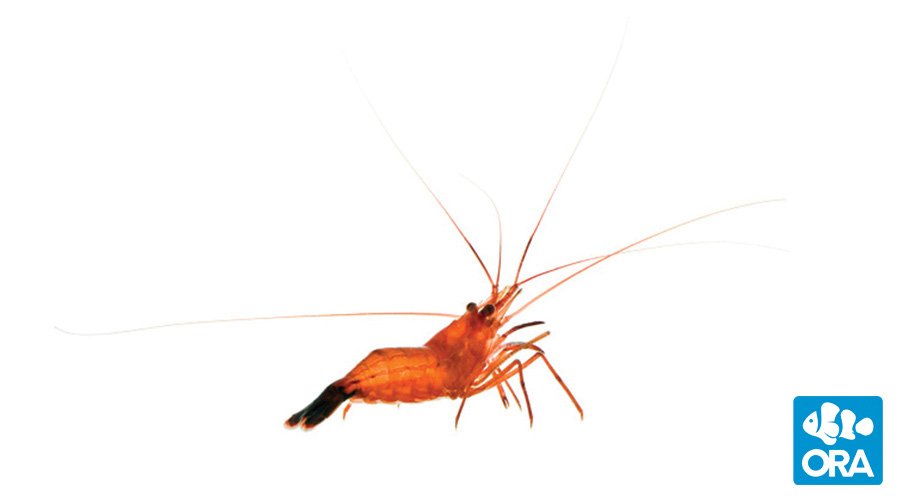
ORA Monaco Peppermint Shrimp Captive Bred for Sale
The ORA Monaco Peppermint Shrimp (Lysmata seticaudata) is a captive-bred, reef-safe crustacean prized for its effectiveness at controlling nuisance Aiptasia anemones. Originating from the Mediterranean, this species offers aquarists a sustainable alternative to wild-caught shrimp while providing reliable pest control and cleanup benefits. Bred by ORA, these shrimp are hardy, disease-resistant, and adapt well to shipping—making them ideal for both novice and advanced reef keepers. Limited availability makes early purchase recommended for reef keepers seeking reliable Aiptasia control.
Key Facts
| Specification | Details |
|---|---|
| Scientific Name | Lysmata seticaudata |
| Family | Hippolytidae |
| Origin | Mediterranean Sea |
| Maximum Size | Up to 1.75 inches |
| Purchase Size | .25–1 inch |
| Lifespan | 2–3 years |
| Care Level | Easy |
| Minimum Tank Size | 10 gallons |
| Temperament | Peaceful, social |
| Reef Safe | Yes |
| Diet | Carnivorous scavenger; feeds on Aiptasia, detritus, leftover food |
| Temperature | 72–78°F (22–26°C) |
| pH Range | 8.2–8.4 |
| Salinity | 1.023–1.025 SG |
Appearance
The Monaco Peppermint Shrimp displays translucent pink to off-white coloration accented by deep red horizontal stripes and subtle blue side markings. These colors intensify under reef lighting. Compared to Caribbean species, Lysmata seticaudata appears slightly lighter with narrower red bands and a more slender body profile.
Care & Requirements
This shrimp thrives in mature saltwater aquariums with stable parameters and live rock for grazing. Maintain temperatures between 72–78°F and pH around 8.2–8.4. Keep nitrate levels below 20 ppm and avoid copper-based medications. Feed small meaty foods such as mysis or finely chopped seafood several times weekly if Aiptasia or leftover food are scarce.
They are social and can be kept in small groups provided there is adequate space (about 10 gallons per shrimp). They often hide during the day and emerge at night to feed and scavenge, helping maintain biological balance while controlling pest anemones naturally.
Do Monaco Peppermint Shrimp need to be fed if they eat Aiptasia?
They’ll self-feed on Aiptasia and detritus, but supplemental meaty foods ensure long-term health.
Are they sensitive to copper treatments?
Yes. Avoid all copper-based medications, which are toxic to invertebrates.
Can they live in nano reef tanks?
Yes, a single shrimp can thrive in aquariums as small as 10 gallons with stable conditions.
Tank Mates & Compatibility
ORA Monaco Peppermint Shrimp are peaceful and coexist well with most reef-safe fish, corals, and invertebrates. Ideal companions include clownfish, gobies, firefish, and cleaner shrimp. Avoid housing them with predatory species like triggers, hawkfish, or lionfish that may eat shrimp.
When kept well-fed, they pose no risk to corals or desirable anemones. Groups of two or more can be maintained safely, as long as adequate territory is provided.
Can Monaco Peppermint Shrimp live with cleaner shrimp?
Yes, they coexist well in larger tanks where each species has space to forage.
Will they bother corals?
No, when properly fed, they do not harm corals or clams.
Can I keep multiple peppermint shrimp together?
Yes, they are social and can be kept in small groups if not overcrowded.
Aquaculture/Availability
The ORA Monaco Peppermint Shrimp is a captive-bred species, produced in controlled aquaculture facilities. This reduces pressure on wild populations and results in hardier, disease-free shrimp that adapt readily to aquarium life.
Currently, captive-bred specimens are moderately available but can sell out quickly due to demand for Aiptasia control solutions. Most specimens in the trade come directly from ORA’s breeding programs.
Are these shrimp entirely aquacultured?
Yes, ORA produces this species entirely in captivity for sustainable reefkeeping.
Is captive-bred better than wild-caught?
Captive-bred shrimp are hardier, more disease-resistant, and adapt to tanks faster.
How often are they available?
Availability varies seasonally; early ordering ensures stock during high demand.
Why Buy From Oceansgarden.com
- Captive-Bred & Sustainable: Many of our fish and invertebrates are captive-bred or sustainably sourced to promote healthy reef ecosystems.
- Expert Care Before Shipping: Every animal is maintained under professional aquarium standards for health, diet, and water quality.
- Live Arrival Guarantee: We stand behind each shipment with a Live Arrival Guarantee for your peace of mind.
- Fast, Reliable Shipping: Orders are packed with proven methods and shipped overnight to ensure safe arrival.
- Transparent Policies: Clear shipping, refund, and guarantee information available on every order page.
- Trusted by Hobbyists: Backed by years of experience and thousands of satisfied marine aquarium keepers across the U.S.
FAQ
What makes ORA Monaco Peppermint Shrimp different from Caribbean varieties?
The Monaco variety (Lysmata seticaudata) originates from the Mediterranean, featuring finer red striping and a lighter body color. They’re also slightly smaller and known for stronger Aiptasia-eating behavior.
How many ORA Monaco Peppermint Shrimp should I keep?
One shrimp per 10 gallons is ideal. Keeping small groups encourages natural behavior and social interaction without territorial disputes.
Do Monaco Peppermint Shrimp reproduce in home aquariums?
They may spawn, but larvae rarely survive in standard reef tanks. The larvae, however, can provide a nutritious food source for corals and small fish.
Are these shrimp truly reef-safe?
Yes, they are considered reef-safe and will not harm corals or desirable anemones when adequately fed.
What water parameters do they need?
Maintain 72–78°F temperature, 8.2–8.4 pH, and 1.023–1.025 specific gravity for best results.
Do they clean fish like cleaner shrimp?
Not typically. They focus on scavenging leftover food and Aiptasia, rather than parasite removal.
Can they be kept with clownfish or gobies?
Yes, both species are safe companions. Ensure shrimp have hiding spaces when first introduced.
How do I acclimate ORA Monaco Peppermint Shrimp?
Use a slow drip-acclimation method over 45–60 minutes to prevent salinity shock.
Will they control all Aiptasia in my tank?
They are effective predators of Aiptasia, but control results depend on infestation level and shrimp quantity.
Do they eat other pests besides Aiptasia?
They occasionally consume leftover detritus, uneaten food, and decaying organic matter, aiding tank cleanliness.
| size | up to .5 inches |
|---|
Related products