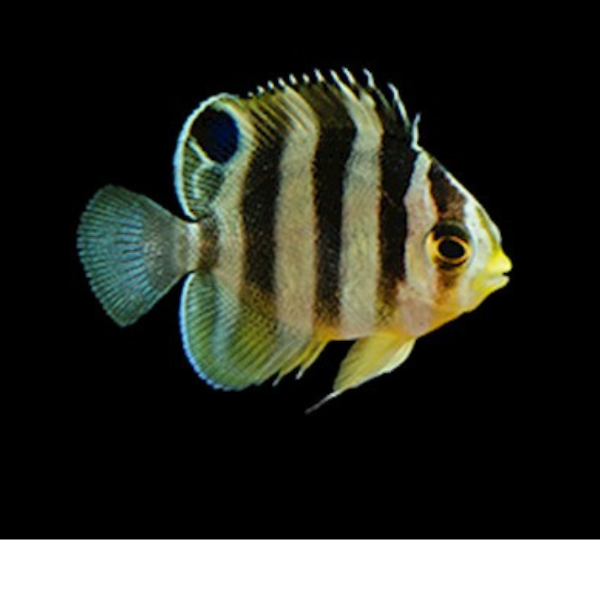
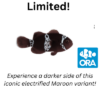
ORA Multibar Angelfish Captive Bred for Sale
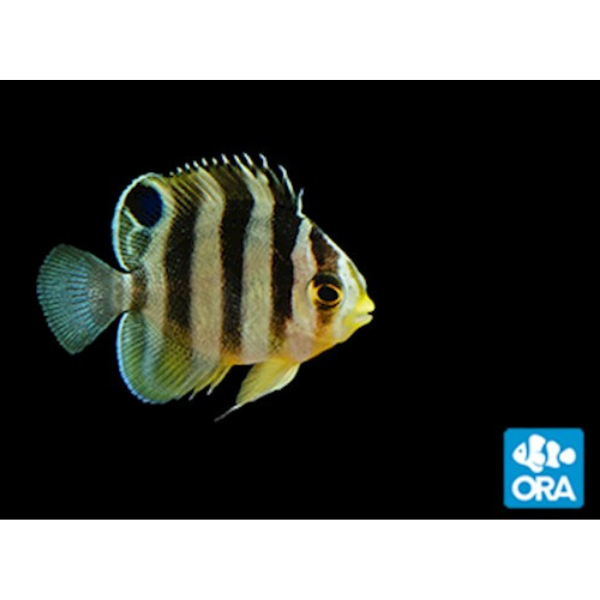
The ORA Multibar Angelfish Captive Bred (Paracentropyge multifasciata) is a hardy and beautifully patterned dwarf angelfish that adapts quickly to home aquariums. Captive breeding by ORA produces fish that are healthier, easier to feed, and far more resilient than their wild-caught counterparts. With their signature black vertical bars over a white base that glows yellow along the underside, these angelfish add both elegance and dependability to any marine setup.
Key Facts
| Specification | Details |
|---|---|
| Scientific Name | Paracentropyge multifasciata |
| Family | Pomacanthidae |
| Origin | Captive bred (ORA, USA) |
| Max Size | 4.5 inches |
| Purchase Size | 1–1.5 inches |
| Lifespan | 7–10 years |
| Care Level | Easy to Moderate |
| Minimum Tank Size | 50 gallons |
| Temperament | Semi-aggressive (toward other dwarf angelfish) |
| Reef Safe | With caution |
| Diet | Omnivore – pellets, mysis shrimp, marine algae |
| Temperature | 72–78°F |
| pH Range | 8.1–8.4 |
| Salinity | 1.020–1.025 |
Appearance
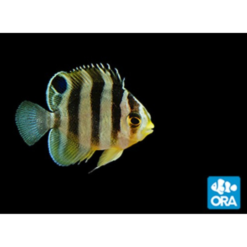
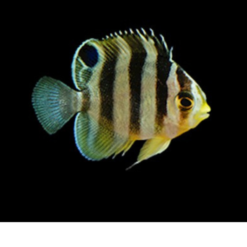
This compact angelfish displays five or more bold black bars across a white base that fades to golden-yellow on the belly. The fins carry soft bluish tones, and juveniles often show a faint blue eyespot on the dorsal fin that disappears as they mature.
Care & Requirements
The ORA Multibar Angelfish thrives in mature aquariums with plenty of live rock for grazing and shelter. A tank of at least 50 gallons provides ample space for exploration and territorial comfort. Water quality should remain stable, and a varied diet of pellets, frozen mysis shrimp, and marine algae ensures strong coloration and vitality. Feed two small meals daily and maintain consistent salinity to prevent stress. Although captive-bred specimens adapt easily to prepared foods, they appreciate natural grazing opportunities from rock surfaces.
How long does it take for a Multibar Angelfish to acclimate?
Usually within a few days when introduced to a peaceful environment with stable water parameters.
Is the ORA Multibar Angelfish beginner-friendly?
Yes, it’s much easier than wild-caught varieties due to its feeding adaptability and disease resistance.
Can this angelfish live in mixed reefs?
Yes, with caution. Provide ample coral spacing and monitor for any nipping of soft or LPS corals.
Tank Mates & Compatibility
Captive-bred Multibar Angelfish coexist best with peaceful species that won’t compete for food or territory. Avoid housing multiple dwarf angelfish unless in large systems exceeding 125 gallons. Suitable companions include tangs, gobies, and fairy wrasses. While generally reef safe, occasional coral nipping may occur if underfed or stressed. Introduce this fish before adding more aggressive tankmates to allow secure territory establishment.
Can two Multibar Angelfish be kept together?
Only in large aquariums with plenty of rock structure; otherwise, they may become territorial.
Are shrimp or snails safe with Multibar Angelfish?
Yes, most ornamental shrimp and snails are safe as long as the angelfish is well-fed.
Which fish should be avoided?
Avoid aggressive dottybacks or larger angelfish that can intimidate or outcompete them for food.
Aquaculture/Availability
ORA’s captive-bred Multibar Angelfish are sustainably produced in controlled environments, ensuring excellent health and consistency. Currently, captive-bred specimens are available in limited quantities due to specialized breeding cycles. These fish are hardier than wild imports and free from cyanide exposure, offering aquarists a responsible and reliable choice.
Are ORA Multibar Angelfish always captive-bred?
Yes, all specimens from ORA are 100% captive-bred in controlled facilities.
Why are captive-bred fish more expensive?
They’re raised in safe, sustainable systems with higher survival rates, offering long-term reliability.
When are they usually restocked?
Availability varies throughout the year, typically in small seasonal batches.
Why Buy From Oceansgarden.com
- Captive-Bred & Sustainable: Many of our fish and invertebrates are captive-bred or sustainably sourced to promote healthy reef ecosystems.
- Expert Care Before Shipping: Every animal is maintained under professional aquarium standards for health, diet, and water quality.
- Live Arrival Guarantee: We stand behind each shipment with a Live Arrival Guarantee for your peace of mind.
- Fast, Reliable Shipping: Orders are packed with proven methods and shipped overnight to ensure safe arrival.
- Transparent Policies: Clear shipping, refund, and guarantee information available on every order page.
- Trusted by Hobbyists: Backed by years of experience and thousands of satisfied marine aquarium keepers across the U.S.
FAQ
Is the ORA Multibar Angelfish reef safe? It is considered reef safe with caution. While most individuals ignore corals, occasional nipping at fleshy LPS or clam mantles may occur if they lack natural grazing options.
How large of a tank is required for an ORA Multibar Angelfish? A minimum of 50 gallons is recommended to provide adequate swimming and territory space.
What is the diet of a captive-bred Multibar Angelfish? Feed a balanced mix of pellets, frozen mysis shrimp, and spirulina or marine algae. Consistent feeding promotes color and reduces coral curiosity.
How do captive-bred Multibar Angelfish differ from wild-caught ones? Captive-bred fish are hardier, disease-free, and readily accept prepared foods. Wild-caught specimens often arrive stressed and reluctant to eat.
Are Multibar Angelfish aggressive? They are semi-aggressive toward similar-shaped fish, but peaceful with most community species when properly introduced.
Can I keep a pair of Multibar Angelfish? Only if the tank exceeds 125 gallons with extensive rockwork to divide territory.
Do Multibar Angelfish change color as they age? Juveniles feature a faint blue dorsal eyespot that fades as they reach adulthood.
What are signs of a healthy Multibar Angelfish? Bright coloration, steady appetite, and active grazing behavior indicate strong health and good water conditions.
How long do Multibar Angelfish live in captivity? With proper care and diet, they typically live 7–10 years.
Are captive-bred Multibar Angelfish better for reefs? Yes. Their acclimated behavior, predictable feeding habits, and lack of cyanide exposure make them a safer, more sustainable reef choice.
| size | 1-1.5 inches |
|---|
Related products