
ORA Peppermint Shrimp Captive Bred for Sale
The ORA Peppermint Shrimp (Lysmata sp.) is a peaceful, easy-to-care-for invertebrate prized for its natural ability to control nuisance Aiptasia anemones in saltwater aquariums. These captive-bred shrimp from ORA are hardier and less stressed than wild-caught specimens, making them ideal for both beginners and experienced reef keepers. Known for their gentle temperament and effective scavenging behavior, they help maintain tank cleanliness while reducing the need for chemical Aiptasia treatments. Many aquarists choose ORA shrimp for their consistent quality, sustainable origin, and reliable performance in reef environments.
Key Facts
| Specification | Details |
|---|---|
| Scientific Name | Lysmata sp. |
| Family | Hippolytidae |
| Origin | Aquacultured – ORA (USA) |
| Maximum Size | Up to 2 inches |
| Purchase Size | 0.25–1 inch |
| Lifespan | 2–3 years |
| Care Level | Easy |
| Minimum Tank Size | 10 gallons |
| Temperament | Peaceful |
| Reef Safe | Yes |
| Diet | Carnivorous scavenger; eats Aiptasia, detritus, leftover food |
| Temperature | 75–78°F |
| pH Range | 7.7–8.5 |
| Salinity | 1.023–1.026 |
Appearance
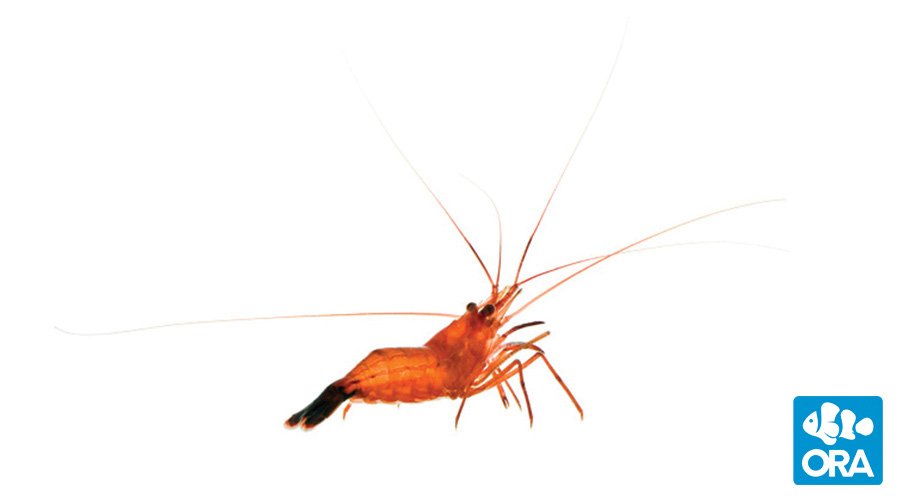
The ORA Peppermint Shrimp has a translucent to cream-colored body with distinct red stripes running lengthwise. Its small size and subtle coloration allow it to blend naturally into reef environments while remaining active and visible during feeding.
Care & Requirements
A minimum tank size of 10 gallons is recommended. These shrimp thrive in well-established aquariums with plenty of live rock for hiding and foraging. They are nocturnal, often retreating to shaded areas during the day and emerging at night to feed on Aiptasia and leftover food. While primarily scavengers, they benefit from supplemental feedings of frozen mysis shrimp or small sinking pellets two to three times weekly. Stable water quality is essential, with zero ammonia and nitrate levels below 20 ppm.
Avoid housing them with aggressive predators such as wrasses or hawkfish that may view them as food. When kept in small groups, their Aiptasia-eating behavior tends to be more consistent and effective.
Can ORA Peppermint Shrimp live in nano tanks?
Yes, a single specimen can live comfortably in tanks as small as 10 gallons, provided water parameters remain stable.
How often should they be fed if no Aiptasia is present?
Offer small meaty foods 2–3 times per week to maintain health once Aiptasia populations are reduced.
Do they molt often?
They typically molt every few weeks depending on diet and water quality, hiding briefly during this period.
Tank Mates & Compatibility
ORA Peppermint Shrimp are reef-safe and coexist well with peaceful tank mates like clownfish, gobies, and blennies. Avoid keeping them with predatory fish such as triggerfish, large wrasses, or hawkfish. They can be housed in small groups, which enhances both social behavior and Aiptasia removal efficiency.
Can multiple peppermint shrimp be kept together?
Yes, they thrive in small groups and may even spawn under optimal conditions.
Are they safe with corals and anemones?
They are safe with corals and will not harm them, but they actively consume Aiptasia anemones.
Can they live with cleaner shrimp or fire shrimp?
They can coexist if ample space and hiding areas are provided to prevent territorial behavior.
Aquaculture/Availability
ORA produces captive-bred Peppermint Shrimp through controlled aquaculture methods. These shrimp are generally available in small groups and are more resilient than wild-caught specimens. Currently, captive-bred specimens from ORA are consistently available and represent a sustainable choice for reef aquarists.
Are ORA Peppermint Shrimp fully aquacultured?
Yes, ORA raises these shrimp entirely in captivity under controlled marine conditions.
Why choose captive-bred over wild-caught?
Captive-bred shrimp are hardier, adapt faster to aquarium life, and support sustainable marine practices.
Is availability seasonal?
Yes, ORA availability may vary based on production cycles and seasonal demand.
Why Buy From Oceansgarden.com
- Captive-Bred & Sustainable: Many of our fish and invertebrates are captive-bred or sustainably sourced to promote healthy reef ecosystems.
- Expert Care Before Shipping: Every animal is maintained under professional aquarium standards for health, diet, and water quality.
- Live Arrival Guarantee: We stand behind each shipment with a Live Arrival Guarantee for your peace of mind.
- Fast, Reliable Shipping: Orders are packed with proven methods and shipped overnight to ensure safe arrival.
- Transparent Policies: Clear shipping, refund, and guarantee information available on every order page.
- Trusted by Hobbyists: Backed by years of experience and thousands of satisfied marine aquarium keepers across the U.S.
FAQ
Are ORA Peppermint Shrimp reef-safe?
Yes, they are completely reef-safe and pose no threat to corals, polyps, or other invertebrates. Their primary diet consists of Aiptasia and organic detritus.
Can ORA Peppermint Shrimp breed in home aquariums?
They can spawn when kept in groups, but raising larvae to adulthood is challenging due to their planktonic stage and feeding requirements.
Do peppermint shrimp eat other types of pests?
While best known for consuming Aiptasia, they may also help reduce leftover detritus and small nuisance algae.
Where do ORA Peppermint Shrimp come from?
They are aquacultured in the United States by Oceans, Reefs & Aquariums (ORA), a leader in sustainable marine breeding.
What size do ORA Peppermint Shrimp reach?
Adults typically reach about 2 inches in length, with juveniles sold at 0.75–1 inch.
Can they live with clownfish or gobies?
Yes, they are excellent tank mates for peaceful community fish and remain active at night, complementing day-active species.
Do they require special lighting or substrate?
No, standard reef lighting and fine-grain substrate are sufficient; provide live rock for hiding and foraging.
How long do ORA Peppermint Shrimp live?
Their lifespan averages 2–3 years with proper care and stable water conditions.
Are there other shrimp that control Aiptasia?
Yes, species such as the Berghia nudibranch also target Aiptasia, but peppermint shrimp provide a more stable, long-term biological control.
| size | up to .5 inches |
|---|
Related products