ORA Red Tuxedo Urchin Captive-Bred for Sale
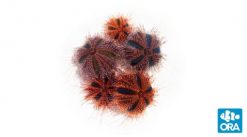
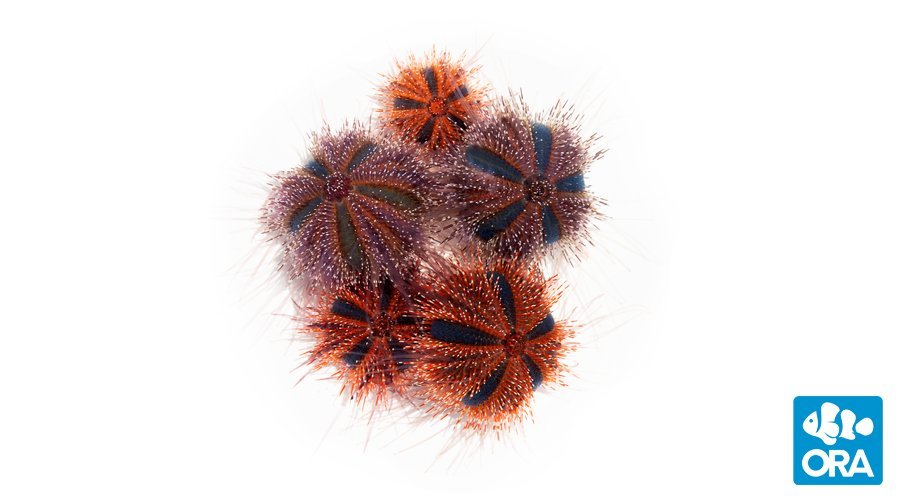
The ORA Tuxedo Urchin (Mespilia globulus) is a peaceful, captive-bred, and reef-safe algae-eating invertebrate known for its short, multicolored spines and exceptional ability to control nuisance algae in saltwater tanks. Captive-bred by ORA (Oceans, Reefs & Aquariums), these urchins are hardier, disease-resistant, and better adapted to aquarium life than wild-caught specimens. They’re tank-ready, pest-free, and a trusted addition to any reef cleanup crew. With vibrant blue or red coloration and their habit of decorating themselves with small shells or coral rubble, the ORA Tuxedo Urchin brings both function and visual appeal to your aquarium. Customers choose ORA for their proven aquaculture quality, ensuring every urchin arrives healthy and ready for success. Supplies are limited due to seasonal demand, so ordering while available ensures your reef stays clean and balanced naturally.
Key Facts
| Specification | Details |
|---|---|
| Scientific Name | Mespilia globulus |
| Family | Toxopneustidae |
| Origin | Aquacultured by ORA (USA) |
| Max Size | 3 inches |
| Purchase Size | .5–2.5 inches |
| Lifespan | Up to 5 years with proper care |
| Care Level | Easy to Moderate |
| Minimum Tank Size | 20 gallons |
| Temperament | Peaceful |
| Reef Safe | Yes |
| Diet | Algae grazer; supplemental nori or macroalgae |
| Temperature | 75–78°F |
| pH Range | 7.7–8.5 |
| Salinity | 1.023–1.026 SG |
Appearance
The ORA Tuxedo Urchin displays short, dense spines arranged in distinct colored bands, giving it the signature “tuxedo” pattern. Available in blue or red varieties, captive-bred specimens often feature deeper velvet tones with striking contrast. Their unique behavior of attaching shells, coral fragments, or rubble as camouflage adds personality and constant movement to reef tanks.
Care & Requirements
Captive-bred tuxedo urchins thrive in stable, mature reef systems with consistent water quality. They are nocturnal grazers that feed on film algae, hair algae, and coralline growth. A minimum of 20 gallons is recommended, with live rock providing grazing surfaces and shelter. Maintain temperature around 75°F, salinity between 1.023–1.026, and pH 7.7–8.5. Zero ammonia and nitrite with nitrates under 20 ppm are essential. If algae is scarce, offer dried seaweed sheets (nori) every few days. Drip acclimation prevents stress during introduction.
Do tuxedo urchins eat corals?
No. They are reef-safe and will not damage corals, though they might move loose frags while grazing.
How often should I feed my tuxedo urchin if my tank has little algae?
Provide a small piece of nori or algae wafer two to three times a week.
Why is my tuxedo urchin losing spines?
Spine loss indicates stress from poor water quality or sudden salinity shifts. Check parameters immediately and stabilize slowly.
Tank Mates & Compatibility
The ORA Tuxedo Urchin coexists peacefully with most reef inhabitants including fish, shrimp, snails, and coral. They complement cleanup crews and contribute to natural algae control. Avoid housing them with pufferfish or triggerfish that may nip at spines. Multiple tuxedo urchins can live together in larger systems with sufficient algae.
Can tuxedo urchins live with hermit crabs and snails?
Yes. They are compatible and often share grazing areas without conflict.
Will tuxedo urchins fight each other?
No. They coexist peacefully if ample algae and rock space are available.
Are tuxedo urchins safe with soft corals?
Yes. They are fully reef-safe and do not feed on coral tissue.
Aquaculture/Availability
The ORA Tuxedo Urchin (Captive-Bred) is sustainably produced through ORA’s aquaculture program, yielding hardier and parasite-free specimens compared to wild collection. Each urchin is cultured from larval to adult stages in controlled marine environments to ensure top health and adaptability. Captive-bred tuxedo urchins are consistently available from ORA, but batches are limited seasonally.
Are ORA Tuxedo Urchins fully aquacultured?
Yes. They are bred entirely in captivity, from larvae through adulthood.
Do captive-bred urchins adapt faster than wild ones?
Yes. They acclimate faster and show better long-term survival in home aquariums.
Is there a difference in color between captive-bred and wild-caught urchins?
Captive-bred urchins typically display deeper, more uniform coloration due to stable conditions during growth.
Why Buy From Oceansgarden.com
- Captive-Bred & Sustainable: Many of our fish and invertebrates are captive-bred or sustainably sourced to promote healthy reef ecosystems.
- Expert Care Before Shipping: Every animal is maintained under professional aquarium standards for health, diet, and water quality.
- Live Arrival Guarantee: We stand behind each shipment with a Live Arrival Guarantee for your peace of mind.
- Fast, Reliable Shipping: Orders are packed with proven methods and shipped overnight to ensure safe arrival.
- Transparent Policies: Clear shipping, refund, and guarantee information available on every order page.
- Trusted by Hobbyists: Backed by years of experience and thousands of satisfied marine aquarium keepers across the U.S.
FAQ
How long do ORA Tuxedo Urchins live in a home aquarium?
Most live 3–5 years with consistent water quality and stable feeding routines.
What makes ORA’s captive-bred tuxedo urchins better than wild-caught?
They are hardier, adapt faster, and come free of pests or disease, supporting sustainable aquaculture and reef preservation.
Can tuxedo urchins help control hair algae outbreaks?
Yes. They are effective algae grazers that consume hair algae, film algae, and coralline growth to maintain clean rock surfaces.
Do they need live rock in the tank?
Yes. Live rock provides essential grazing and hiding surfaces, reducing stress and promoting natural foraging.
Are tuxedo urchins active during the day?
They are mostly nocturnal, hiding during the day and emerging at night to graze.
What should I do if my tuxedo urchin stops moving?
Check temperature, salinity, and oxygen levels. Stillness may indicate stress or low oxygen—improving water quality often restores activity.
Can I keep more than one tuxedo urchin in a 40-gallon tank?
Yes, two can coexist comfortably if algae growth and rock space are sufficient.
What parameters are most important for health?
Maintain temperature near 75°F, salinity 1.023–1.026, and nitrates under 20 ppm.
How do I acclimate a tuxedo urchin safely?
Use a drip acclimation process over 45–60 minutes to prevent osmotic shock.
Do tuxedo urchins reproduce in home aquariums?
Rarely. While spawning can occur, larvae need specialized planktonic care not suited to standard reef systems.
| size | 1.5-2.5 inches |
|---|
Related products