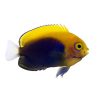
ORA Coral Beauty Angelfish Captive Bred for Sale
The ORA Coral Beauty Angelfish (Centropyge bispinosa) is a hardy, colorful dwarf angel known for its brilliant orange and purple hues, peaceful temperament, and superior adaptability to aquarium life. Captive-bred by ORA, these angelfish thrive in home reef environments, making them an ideal choice for both beginners and seasoned aquarists seeking a vibrant yet reliable marine addition. Unlike wild-caught counterparts, ORA’s captive-bred Coral Beauties are disease-resistant, easier to feed, and far more accustomed to aquarium conditions—reducing stress, aggression, and acclimation time.
Key Facts
| Specification | Details |
|---|---|
| Scientific Name | Centropyge bispinosa |
| Family | Pomacanthidae |
| Origin | Indo-Pacific, Captive-Bred by ORA |
| Maximum Size | 4 inches |
| Purchase Size | .75–1.25 inches |
| Lifespan | Up to 10 years |
| Care Level | Easy |
| Minimum Tank Size | 30 gallons |
| Temperament | Generally peaceful; semi-aggressive toward similar species |
| Reef Safe | With caution (may nip at fleshy corals) |
| Diet | Omnivore – marine algae, spirulina, mysis shrimp, pellets |
| Temperature | 72°F–80°F |
| pH Range | 8.1–8.4 |
| Salinity | 1.020–1.025 |
Appearance
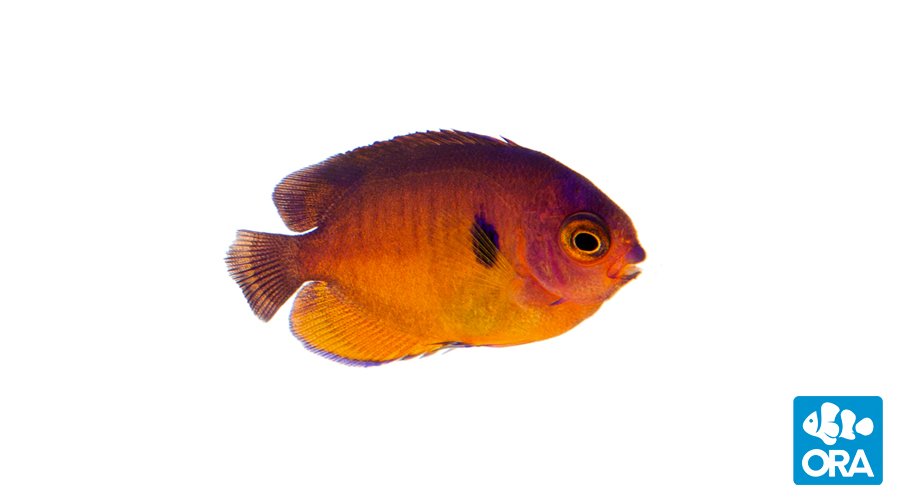
ORA Coral Beauty Angelfish feature an intense gradient of orange and blue-to-purple with electric blue edging on the fins. Their compact, oval body and continuous dorsal fin give them an agile, graceful presence as they graze through rockwork and corals. Variations in hue occur naturally, making each individual visually distinct.
Care & Requirements
Captive-bred Coral Beauty Angelfish are notably hardy and adjust well to established saltwater tanks. A 30-gallon aquarium is the minimum recommended, though 50–70 gallons or larger allows for better swimming room and stable water conditions. Provide abundant live rock for algae grazing and hiding spaces.
They thrive on a mixed diet of marine algae, spirulina, mysis shrimp, and enriched pellets. Feeding small portions twice daily helps prevent coral-nipping behavior. Stable parameters—temperature between 72°F–80°F, pH 8.1–8.4, and salinity 1.020–1.025—are key to maintaining vibrant coloration and good health.
Because captive-bred individuals are raised in controlled aquaculture conditions, they’re more resistant to common diseases such as marine velvet and ich, and display less aggression compared to wild-caught fish.
Is the ORA Coral Beauty Angelfish beginner-friendly?
Yes, captive-bred Coral Beauties are excellent for beginners due to their adaptability and calm demeanor.
Can I keep multiple Coral Beauty Angelfish together?
They are best kept singly unless in very large tanks (over 100 gallons) with plenty of rockwork.
How often should they be fed?
Feed twice daily with a mix of algae-based and protein-rich foods to keep their colors bright and behavior balanced.
Tank Mates & Compatibility
ORA Coral Beauty Angelfish coexist well with peaceful community fish such as clownfish, wrasses, gobies, and tangs. Avoid housing them with other dwarf angels unless the tank is large and carefully aquascaped. Their semi-aggressive tendencies may emerge when defending territory, especially toward similar species.
They are generally reef-safe with caution—well-fed individuals are less likely to nip at soft corals or clams. Maintaining a varied diet and proper feeding schedule helps minimize this risk.
What fish make good tank mates for a Coral Beauty Angelfish?
Clownfish, gobies, firefish, and tangs pair well in medium to large tanks.
Can they be kept in reef tanks?
Yes, with caution. Most captive-bred Coral Beauties behave well around corals when fed consistently.
Do Coral Beauty Angelfish eat coral?
Occasionally, they may sample soft or fleshy LPS corals if underfed, so supplementing diet is essential.
Aquaculture/Availability
ORA’s captive-bred Coral Beauty Angelfish represent one of the most successful aquaculture efforts for marine ornamental fish. These specimens are fully tank-raised in biosecure facilities, resulting in hardier, disease-resistant fish that adapt seamlessly to aquarium life.
Currently, captive-bred specimens are consistently available through ORA’s controlled breeding programs, helping reduce pressure on wild coral reef populations.
Are ORA Coral Beauty Angelfish fully captive-bred?
Yes, they are 100% captive-bred and raised in aquaculture facilities.
Why choose captive-bred over wild-caught Coral Beauties?
Captive-bred fish adapt faster, are less aggressive, and have a higher survival rate.
Do captive-bred Coral Beauties show the same coloration as wild ones?
Yes, often brighter—ORA’s line maintains the vivid orange and purple contrast seen in wild specimens.
Why Buy From Oceansgarden.com
- Captive-Bred & Sustainable: Many of our fish and invertebrates are captive-bred or sustainably sourced to promote healthy reef ecosystems.
- Expert Care Before Shipping: Every animal is maintained under professional aquarium standards for health, diet, and water quality.
- Live Arrival Guarantee: We stand behind each shipment with a Live Arrival Guarantee for your peace of mind.
- Fast, Reliable Shipping: Orders are packed with proven methods and shipped overnight to ensure safe arrival.
- Transparent Policies: Clear shipping, refund, and guarantee information available on every order page.
- Trusted by Hobbyists: Backed by years of experience and thousands of satisfied marine aquarium keepers across the U.S.
FAQ
How big does a Coral Beauty Angelfish get in captivity?
They typically reach about 4 inches in length when fully grown, depending on diet and tank size.
What do Coral Beauty Angelfish eat?
They are omnivores that graze on algae and benefit from a diet including spirulina, mysis shrimp, and marine pellets enriched with vitamins.
Are Coral Beauty Angelfish reef-safe?
Captive-bred specimens are generally reef-safe with caution, especially when fed regularly and housed in tanks with ample algae.
Do Coral Beauty Angelfish need live rock?
Yes, live rock provides natural grazing surfaces and hiding spots, reducing stress and supporting natural behavior.
How do I tell if my Coral Beauty Angelfish is healthy?
Bright coloration, active swimming, and consistent appetite are signs of good health. Avoid specimens with faded colors or labored breathing.
Can Coral Beauty Angelfish live alone?
Yes, they do well as solitary show fish, particularly in smaller tanks under 70 gallons.
What water conditions are best for Coral Beauty Angelfish?
Maintain stable saltwater conditions: 72°F–80°F, pH 8.1–8.4, and salinity 1.020–1.025.
Do Coral Beauty Angelfish change color as they mature?
Minor variations can occur with age or diet, but their overall vibrant orange and blue pattern remains stable.
How long do Coral Beauty Angelfish live?
With proper care and a balanced diet, they can live up to 10 years in captivity.
Are Coral Beauty Angelfish aggressive toward other fish?
They are semi-aggressive but usually peaceful in community tanks when introduced properly and provided with enough space.
| size | .75 – 1.25 inch |
|---|
Related products